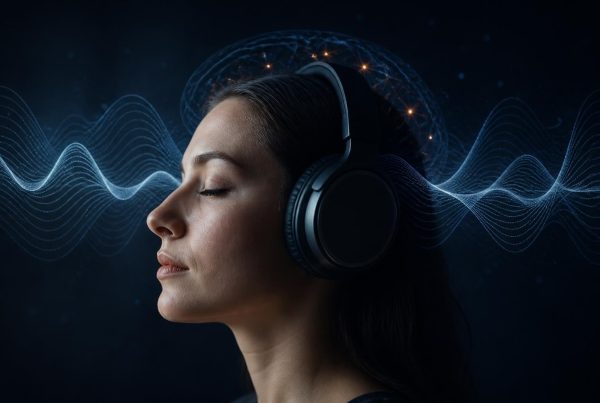
Sound therapy has evolved far beyond ambient noise and relaxation tracks. Among the most promising developments in neuroscience-based audio interventions is the targeted use of specific frequencies to influence brainwave patterns. The 40 Hz frequency, in particular, has emerged as a focal point for researchers investigating how rhythmic stimulation can support cognitive function, memory consolidation, and mental clarity. This frequency corresponds to gamma brainwaves, the fastest oscillations in the brain associated with heightened awareness, learning, and information processing.
Understanding Gamma Brainwaves and 40 Hz Stimulation
Gamma brainwaves operate within the 30-100 Hz range, with 40 Hz representing a particularly significant frequency for neural synchronization. When the brain produces gamma oscillations, multiple regions coordinate their activity to support complex cognitive tasks. This synchronized firing pattern enables efficient communication between neurons and facilitates the binding of different sensory inputs into coherent perceptions.
40 hz sound therapy leverages this natural mechanism by introducing external stimulation at precisely 40 Hz. This can take several forms:
- Binaural beats that create a 40 Hz difference between two tones played in each ear
- Monaural beats where the interference pattern is created before reaching the ear
- Isochronic tones delivering clear, distinct pulses at 40 Hz
- Ambient soundscapes embedded with 40 Hz modulation
The brain's tendency to synchronize with external rhythmic stimulation, known as frequency following response, forms the foundation of this therapeutic approach. When exposed to 40 Hz audio stimulation, neural populations begin firing in synchrony with the external stimulus, potentially enhancing the natural gamma activity associated with optimal cognitive performance.
The Neuroscience Behind Frequency Entrainment
Research has demonstrated that 40 Hz gamma frequency entrainment can influence mood, memory, and cognitive function through direct modulation of neural oscillations. The mechanism involves several interconnected processes within the brain's complex networks.
When auditory stimulation at 40 Hz reaches the brain, it activates specific pathways in the auditory cortex. These pathways then propagate the rhythmic activity to other brain regions, including those responsible for attention, memory encoding, and executive function. The result is a cascading effect where multiple cognitive systems become entrained to the same frequency.
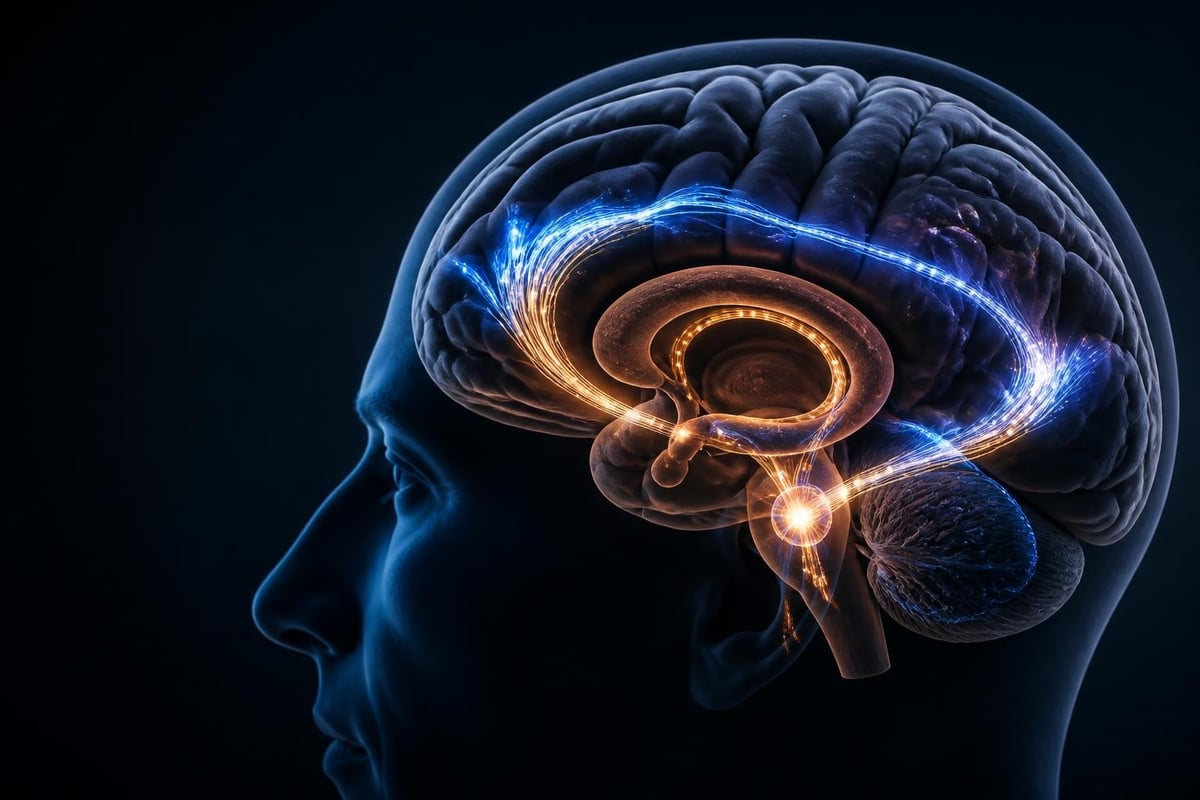
| Brain Region | Function Enhanced | Mechanism |
|---|---|---|
| Hippocampus | Memory formation | Increased theta-gamma coupling |
| Prefrontal Cortex | Executive function | Enhanced neural synchronization |
| Thalamus | Sensory integration | Improved information relay |
| Visual Cortex | Perceptual binding | Strengthened gamma oscillations |
Recent studies have shown that 40 Hz transcranial vibration stimulation induces neural activity and promotes coupling between brain function and cerebrospinal fluid flow, suggesting benefits beyond simple neural entrainment. This coupling may support the brain's natural cleaning processes, potentially contributing to long-term cognitive health.
Cognitive Benefits and Performance Enhancement
The application of 40 hz sound therapy extends across multiple domains of mental performance. Professionals seeking enhanced focus, students managing complex information, and individuals looking to sharpen their cognitive edge have begun incorporating this frequency into their daily routines.
Memory and Learning Applications
Memory consolidation represents one of the most thoroughly researched applications. Gamma oscillations play a crucial role in encoding new information and integrating it with existing knowledge structures. By supporting these natural rhythms, 40 Hz stimulation may facilitate more efficient learning processes.
Studies examining neurophysiological responses to 40 Hz monaural beat stimulation have identified measurable changes in brain activity patterns associated with improved working memory capacity. Participants exposed to regular sessions demonstrated enhanced ability to maintain and manipulate information across short time intervals.
Key memory benefits include:
- Improved working memory capacity for complex tasks
- Enhanced long-term retention of newly learned material
- Faster recall speed when accessing stored information
- Better integration of multi-sensory learning experiences
Focus and Attention Optimization
Sustained attention requires coordinated activity across widespread brain networks. The gamma frequency range facilitates this coordination by providing a temporal framework for neural firing. When different brain regions oscillate at 40 Hz simultaneously, they can exchange information more efficiently, supporting the maintenance of focused attention.
For individuals working in demanding cognitive environments, 40 hz sound therapy offers a non-pharmaceutical approach to attention enhancement. The stimulation helps maintain the brain's natural rhythms that support concentration without the side effects associated with traditional stimulants.
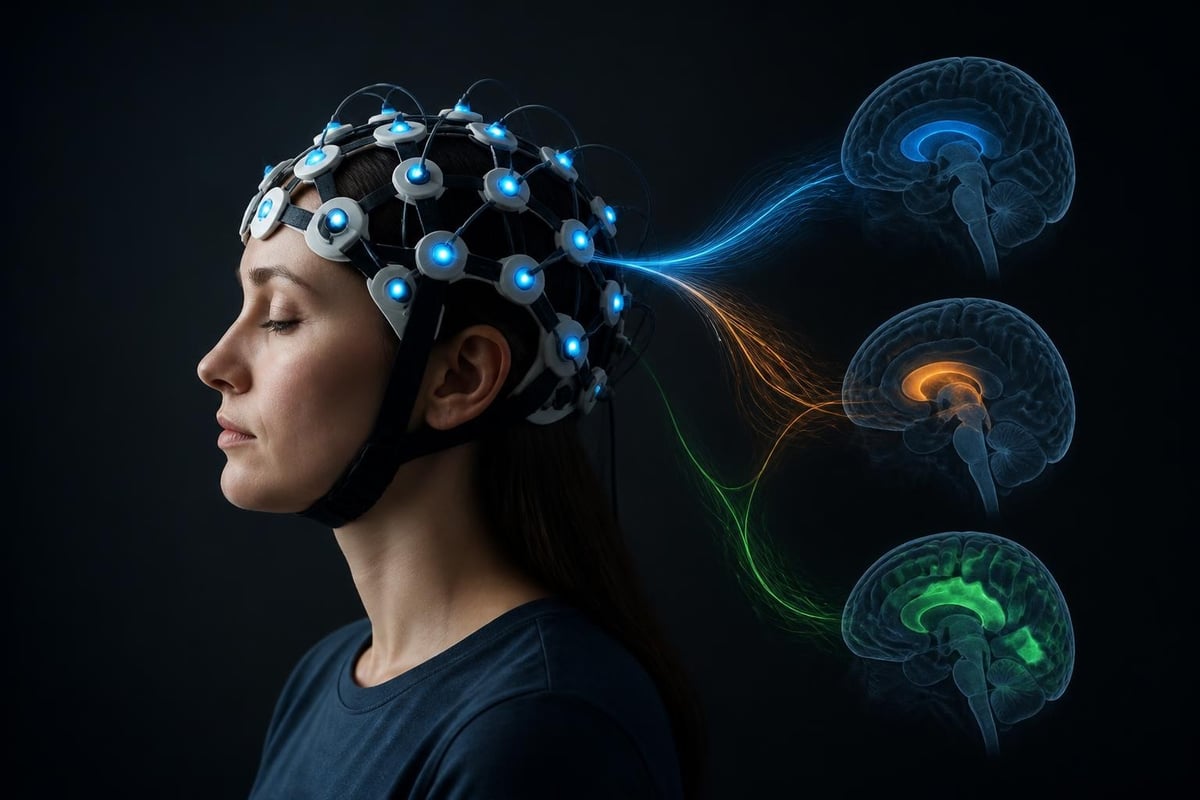
| Attention Component | Impact of 40 Hz | Practical Outcome |
|---|---|---|
| Selective Attention | Enhanced signal clarity | Better filtering of distractions |
| Sustained Attention | Reduced mental fatigue | Longer focus periods |
| Divided Attention | Improved task switching | Efficient multitasking |
| Executive Attention | Stronger cognitive control | Better impulse management |
Clinical Research and Therapeutic Potential
While much of the popular interest in 40 hz sound therapy focuses on performance enhancement for healthy individuals, significant research has explored its potential therapeutic applications. Early investigations have examined this frequency's effects in populations experiencing cognitive decline and neurological conditions.
Alzheimer's Disease and Cognitive Decline
Pioneering research has investigated whether rhythmic stimulation might support brain health in individuals with Alzheimer's disease. An exploratory study examining 40 Hz rhythmic sensory stimulation in Alzheimer’s patients provided initial insights into potential mechanisms and safety considerations.
The theoretical basis for this application stems from observations that gamma oscillations often show reduced amplitude and coherence in neurodegenerative conditions. By providing external support for these frequencies, researchers hypothesize that some aspects of neural function might be temporarily enhanced or supported.
Research considerations include:
- Safety profiles across different delivery methods
- Optimal duration and frequency of stimulation sessions
- Individual variability in response patterns
- Long-term effects on disease progression markers
- Combination with other therapeutic interventions
Mental Health and Emotional Regulation
Beyond cognitive performance, gamma oscillations play important roles in emotional processing and regulation. Disrupted gamma activity has been observed in various mental health conditions, suggesting that frequency-based interventions might offer complementary support alongside traditional treatments.
The regulatory effects appear to stem from gamma's role in integrating emotional information across brain networks. When prefrontal regions maintain strong gamma coherence with limbic structures, individuals demonstrate better capacity to modulate emotional responses and maintain psychological balance.
Practical Implementation Strategies
Integrating 40 hz sound therapy into daily routines requires understanding both the technical parameters and practical considerations for optimal results. The effectiveness of this intervention depends significantly on implementation quality, consistency, and individual response patterns.
Session Structure and Timing
The duration and timing of exposure sessions influence outcomes substantially. Research protocols have employed varying approaches, from brief 10-minute sessions to extended 60-minute exposures. Individual experimentation often reveals personal optimal ranges.
Morning sessions may support cognitive preparation for demanding tasks, priming the brain's attentional networks before peak productivity hours. The stimulation can function as a mental warm-up, similar to how athletes prepare physically before performance.
Midday applications help counteract the post-lunch attention dip that many professionals experience. A 15-20 minute session during this natural low point can restore mental clarity and sustain afternoon productivity.
Evening protocols present mixed considerations. While some individuals find 40 Hz stimulation supportive for focused evening work, others may experience increased alertness that interferes with sleep preparation. Personal chronotype and evening responsibilities should guide timing decisions.
Delivery Method Selection
Different delivery mechanisms offer distinct advantages and limitations. Understanding these differences helps users select appropriate methods for their specific goals and circumstances.
Headphone-based delivery provides the most controlled and consistent stimulation. High-quality headphones ensure accurate frequency reproduction and minimize environmental interference. This method works well for binaural and monaural beat protocols where precise stereo separation matters.
Speaker systems offer convenience for longer sessions where wearing headphones becomes uncomfortable. However, acoustic reflections and room characteristics can affect the purity of the 40 Hz signal. Proper speaker placement and room treatment optimize results.
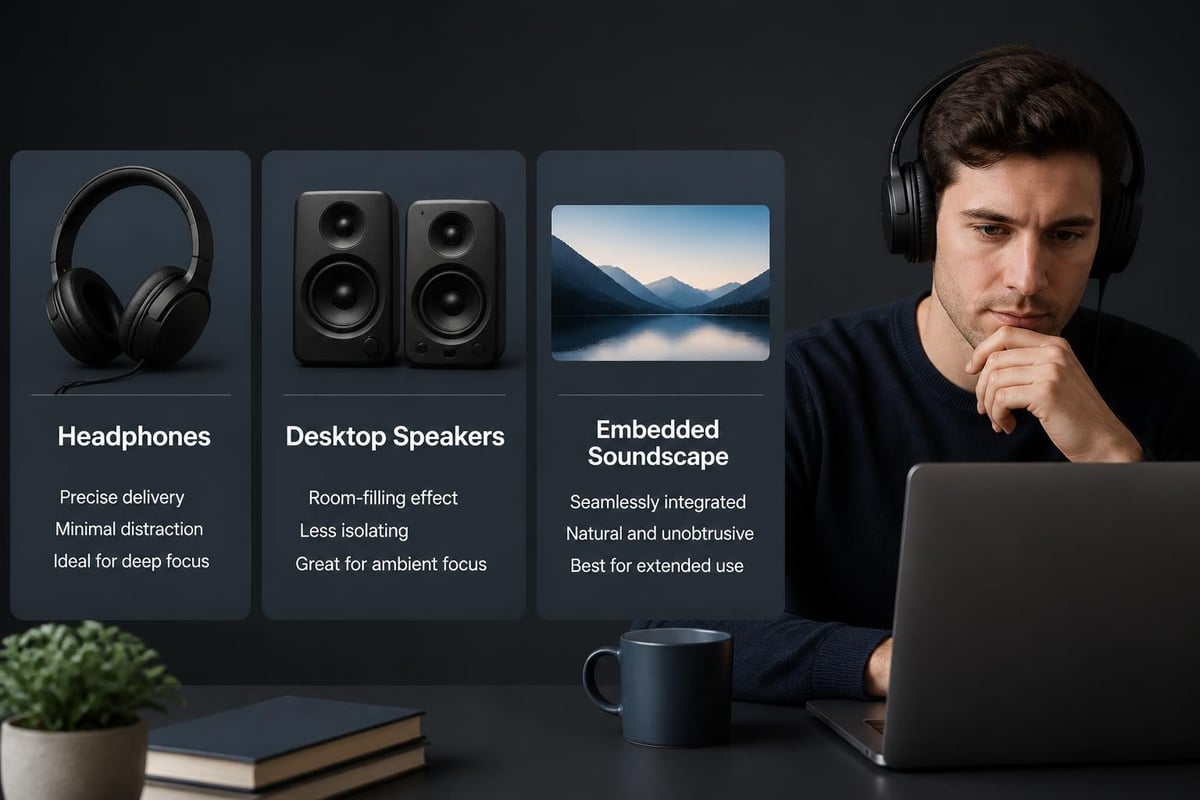
Embedded soundscape approaches integrate 40 Hz modulation within pleasant ambient sounds. This methodology, employed by platforms focused on practical application, makes longer sessions more enjoyable while maintaining therapeutic benefits. The combination of frequency entrainment with acoustically optimized environments creates comprehensive support for mental performance.
Integration with Broader Mind Training Practices
While 40 hz sound therapy offers targeted neurological benefits, optimal results often emerge when combined with complementary practices that support overall cognitive health. A holistic approach recognizes that brain function depends on multiple interacting factors.
Micro-Habits for Enhanced Effectiveness
Small, consistent behavioral patterns amplify the benefits of frequency-based interventions. These micro-habits create a supportive foundation that maximizes the brain's responsiveness to auditory entrainment.
Hydration timing matters more than many realize. The brain's electrical activity depends on proper ionic balance, which requires adequate hydration. Consuming water before sound therapy sessions ensures optimal neural conductivity.
Posture awareness influences both cognitive performance and the effectiveness of auditory stimulation. An alert but relaxed posture supports proper breathing, blood flow, and mental engagement. Slouched positions can reduce the clarity of focus states even when using optimal frequencies.
Environmental preparation sets the stage for successful sessions. Minimizing visual clutter, adjusting lighting to comfortable levels, and managing ambient temperature all contribute to an environment where the brain can fully engage with the therapeutic stimulus.
Combining Sound Therapy with Cognitive Techniques
The intersection of 40 hz sound therapy with active cognitive training strategies produces synergistic effects. The frequency entrainment creates an optimal neural state, while deliberate mental exercises strengthen specific cognitive capacities.
Time-blocking protocols pair naturally with sound therapy sessions. Dedicating specific periods to focused work while using 40 Hz stimulation helps establish consistent neural patterns associated with deep concentration. Over time, the brain begins associating the frequency with focused work states, strengthening the entrainment effect.
Attention training exercises become more effective when performed during gamma entrainment. Simple practices like maintaining focus on breathing, tracking a moving object, or sustaining awareness on a single task strengthen attentional networks while they operate in an optimized frequency range.
Memory encoding strategies benefit from the enhanced synaptic conditions created by gamma stimulation. Techniques like spaced repetition, elaborative rehearsal, and method of loci show improved effectiveness when practiced during 40 Hz exposure sessions.
Safety Considerations and Individual Variation
Professional sound therapy applications prioritize user safety and recognize that individual responses to frequency entrainment vary considerably. Understanding these factors helps users establish appropriate expectations and make informed decisions about their practice.
Contraindications and Precautions
Most healthy adults tolerate 40 hz sound therapy well when used appropriately. However, certain populations should exercise additional caution or consult healthcare providers before beginning regular use.
Individuals with seizure disorders should approach frequency entrainment cautiously, as rhythmic stimulation might theoretically influence seizure thresholds in susceptible individuals. Medical guidance helps ensure safe implementation.
Those with hearing sensitivities, tinnitus, or auditory processing disorders may experience varied responses. Starting with lower volumes and shorter sessions allows gradual adaptation while monitoring individual reactions.
Photosensitive individuals using combined audio-visual entrainment protocols require particular attention to stimulation parameters, though audio-only approaches typically pose minimal concern.
Response Variability and Optimization
Individual brain anatomy, baseline gamma activity levels, and cognitive style all influence how someone responds to frequency-based interventions. This natural variability means that optimization requires personal experimentation within safe parameters.
Responder profiles range from immediate and pronounced effects to subtle, cumulative benefits that emerge over weeks of consistent practice. Neither pattern indicates superiority; they simply reflect different neurological starting points and adaptation rates.
Session customization based on feedback allows users to refine their approach. Some individuals achieve optimal results with brief, intense sessions, while others benefit from longer, more moderate exposures. Tracking subjective experiences and objective performance metrics guides this optimization process.
| Individual Factor | Influence on Response | Optimization Strategy |
|---|---|---|
| Baseline gamma activity | Determines initial sensitivity | Adjust duration based on natural levels |
| Cognitive processing speed | Affects integration timeline | Match session length to processing style |
| Stress levels | Modulates receptivity | Combine with stress reduction techniques |
| Sleep quality | Impacts neural plasticity | Ensure adequate rest for adaptation |
Scientific Foundations and Future Directions
The growing body of research supporting 40 hz sound therapy reflects broader scientific interest in non-invasive neuromodulation techniques. As measurement technologies advance and our understanding of brain oscillations deepens, applications continue expanding and refining.
Current evidence suggests that frequency-specific stimulation influences not just immediate brain states but potentially longer-term neural organization. Repeated exposure to 40 Hz may strengthen the brain's natural capacity to generate and maintain gamma oscillations independently, creating lasting improvements in cognitive function.
Emerging research directions include investigating optimal combinations of frequencies, exploring individual genetic factors that influence response patterns, and developing more sophisticated delivery systems that adapt in real-time to user brain states. These advances promise to make frequency-based interventions increasingly personalized and effective.
The integration of sound therapy with other evidence-based approaches for cognitive enhancement represents another frontier. Combining auditory entrainment with practices like meditation, physical exercise, and nutritional optimization may produce synergistic benefits that exceed any single intervention alone.
Understanding how 40 hz sound therapy supports cognitive function through gamma entrainment provides a foundation for incorporating this science-backed tool into your daily routine. The research demonstrates measurable benefits for focus, memory, and mental clarity when implemented consistently and appropriately. Freshhh.app combines these frequency-based techniques with practical micro-habits and acoustic research to help you build sustainable focus practices that go beyond passive listening. Experience how targeted soundscapes paired with actionable strategies can transform your mental performance and concentration.