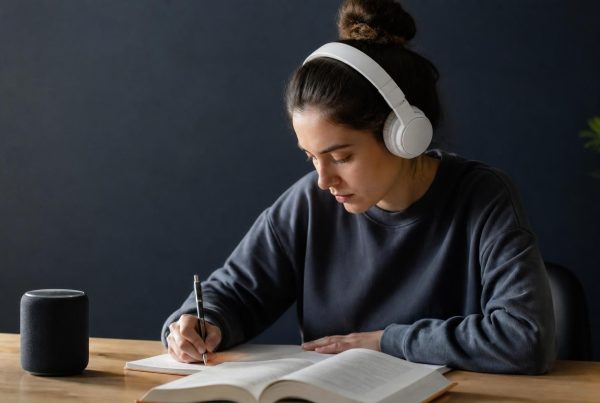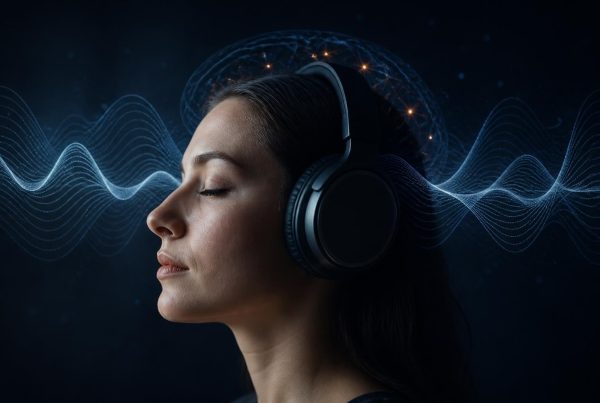
The wellness landscape continues to evolve, and among the most discussed therapeutic approaches in 2026 is the use of specific sound frequencies to enhance mental and physical well-being. While various frequencies claim unique benefits, one particular tuning has captured significant attention from both practitioners and researchers. This frequency-based approach represents a convergence of ancient musical traditions and contemporary neuroscience, offering a potential pathway to improved focus, reduced anxiety, and enhanced cognitive performance. Understanding the mechanisms and applications of this approach can help you make informed decisions about integrating sound-based practices into your daily routine.
The Science Behind Frequency-Based Sound Healing
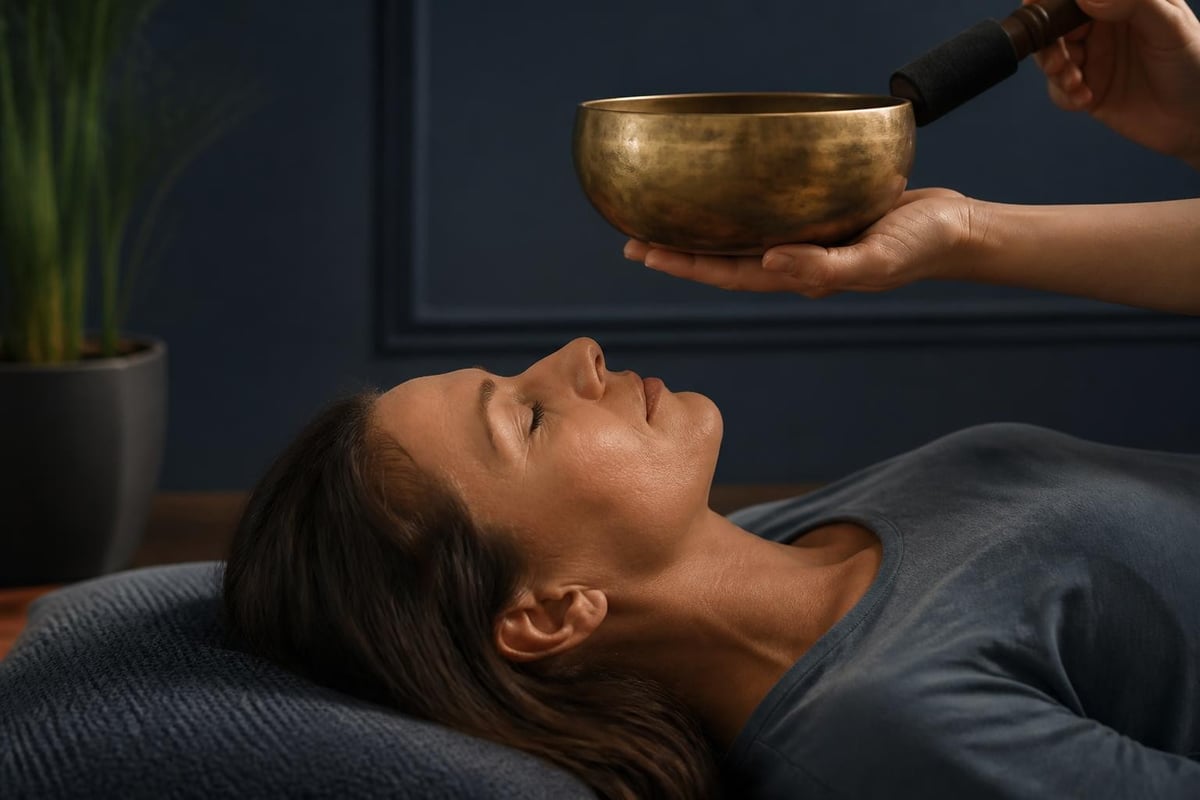
432 Hz sound therapy operates on the principle that specific sound frequencies can influence physiological and psychological states. Unlike standard musical tuning at 440 Hz, which became the international standard in the mid-20th century, 432 Hz represents an alternative tuning system that proponents claim aligns more naturally with human biology and environmental resonances.
Research into this frequency has expanded considerably over recent years. A 2016 clinical trial examining anxiety perception during endodontic treatment found measurable differences when patients were exposed to music tuned to 432 Hz. The study suggested potential applications for anxiety management in clinical settings, though researchers emphasized the need for larger sample sizes and controlled conditions.
Physiological Responses to Sound Frequencies
The human body responds to sound on multiple levels. When you experience 432 hz sound therapy, several systems engage simultaneously:
- Autonomic nervous system regulation through auditory pathway stimulation
- Heart rate variability changes that may promote parasympathetic activation
- Cortisol level modulation affecting stress response mechanisms
- Brainwave entrainment potentially shifting consciousness states
- Muscle tension reduction through vibroacoustic effects
Recent research on cardiovascular parameters in cancer patients revealed differential effects between 432 Hz and 443 Hz sound interventions. This 2025 randomized cross-over trial demonstrated that frequency-specific interventions could produce measurable physiological changes, supporting the hypothesis that precise tuning matters in therapeutic applications.
Comparing 432 Hz to Standard Tuning Systems
Understanding 432 hz sound therapy requires context about how it differs from conventional musical tuning. The contrast becomes clearer when examining specific parameters:
| Aspect | 432 Hz Tuning | 440 Hz Tuning |
|---|---|---|
| International Standard | Alternative system | ISO 16:1975 standard |
| Mathematical Properties | Divides evenly into 12, 24, 36 | Requires decimal divisions |
| Claimed Natural Alignment | Proponents cite earth frequencies | Arbitrary selection in 1939 |
| Research Volume | Growing but limited | Extensive historical data |
| Practical Availability | Specialized recordings | Universal music standard |
The debate between these tuning systems extends beyond simple preference. A 2020 clinical trial investigating dental anxiety measured salivary cortisol levels in patients exposed to both 432 Hz and 440 Hz music. The findings suggested that tuning frequency could influence stress markers, though the effect sizes varied among individuals.
The Historical Context of Alternative Tunings
Musical tuning standards have shifted throughout history. Before standardization efforts in the 20th century, orchestras and regions employed various reference pitches. The adoption of 440 Hz as an international standard occurred gradually, driven by practical considerations of instrument manufacturing and ensemble coordination rather than scientific investigation of biological effects.
Proponents of 432 hz sound therapy often reference historical tuning practices, claiming this frequency appeared in various cultural traditions. While documentation remains incomplete, the conversation highlights an important question: were tuning choices in pre-industrial societies influenced by observed effects on listeners?
Practical Applications for Focus and Mental Clarity
Beyond theoretical discussions, 432 hz sound therapy offers concrete applications for individuals seeking to enhance concentration and reduce mental clutter. The integration of specific frequencies into daily routines represents a systematic approach to cognitive optimization.
Designing a Frequency-Based Focus Practice
Implementing sound therapy effectively requires more than passive listening. Consider these evidence-informed strategies:
- Establish consistent listening periods of 15-30 minutes during high-concentration tasks
- Combine frequency exposure with complementary practices such as breath work or mindfulness techniques
- Track subjective responses through journaling to identify personal patterns
- Adjust volume levels to remain below conscious distraction thresholds
- Integrate with environmental modifications like lighting and temperature control
The effectiveness of any sound-based intervention depends heavily on individual neurological differences and contextual factors. As reported by the Associated Press, personal experiences with 432 Hz music vary significantly, with some individuals reporting profound effects while others notice minimal changes.
Mechanisms of Action in Neural Regulation
432 hz sound therapy may influence brain function through several proposed mechanisms. While research continues to evolve, current understanding suggests multiple pathways of effect.
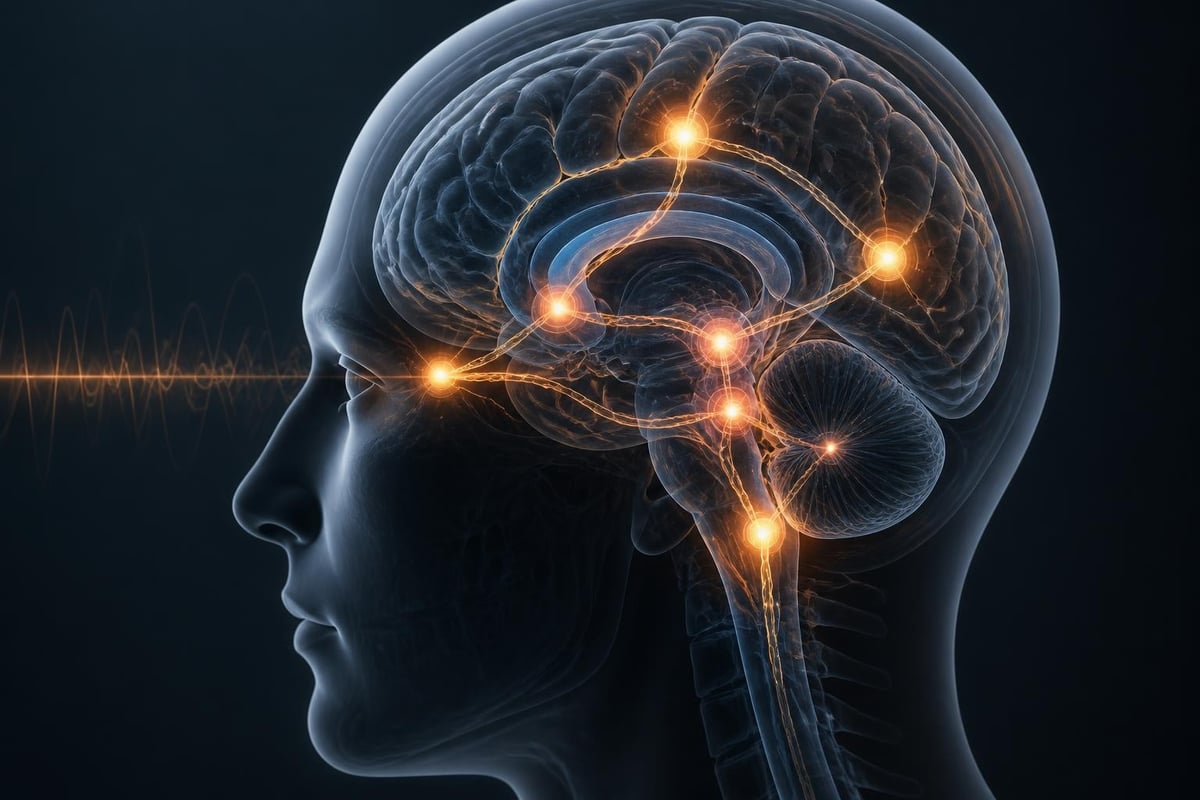
Auditory stimuli travel from the cochlea through the brainstem to the auditory cortex, with connections branching to limbic structures involved in emotional processing. This anatomical reality means sound exposure potentially affects mood regulation circuits directly. Specific frequencies might optimize this pathway by reducing neural noise or enhancing signal clarity.
Brainwave Entrainment and Frequency Following
One proposed mechanism involves brainwave entrainment, where external rhythmic stimuli influence endogenous neural oscillations. When you expose your auditory system to consistent frequencies, neurons may synchronize their firing patterns to match or harmonize with the external stimulus.
432 hz sound therapy differs from binaural beats or isochronic tones, which explicitly target brainwave entrainment. Instead, this approach focuses on the fundamental tuning of musical content or ambient soundscapes. The distinction matters because the mechanisms of action differ substantially between these modalities.
Evidence Gaps and Research Frontiers
Despite growing interest in 432 hz sound therapy, significant questions remain unanswered. The current evidence base presents both promising findings and important limitations that warrant careful consideration.
Most existing studies involve small sample sizes, often fewer than 100 participants. This limitation affects statistical power and generalizability. Additionally, many investigations examine acute effects during single sessions rather than longitudinal outcomes from sustained practice.
What Recent Research Reveals
Scientific analysis of 432 Hz effects on the brain and body highlights the preliminary nature of current evidence. While some studies demonstrate measurable physiological changes, the clinical significance of these alterations remains under investigation. Researchers emphasize distinguishing between statistically significant findings and therapeutically meaningful outcomes.
The field would benefit from:
- Larger randomized controlled trials with diverse participant populations
- Standardized protocols for frequency delivery and dosing
- Objective biomarkers beyond self-reported subjective experiences
- Long-term follow-up studies examining sustained practice effects
- Comparative analyses against established therapeutic modalities
Integrating Sound Therapy with Behavioral Approaches
The most effective application of 432 hz sound therapy likely involves integration with evidence-based behavioral and cognitive techniques. Sound alone represents one tool within a comprehensive mental wellness toolkit.
Modern approaches recognize that passive exposure to therapeutic frequencies provides limited benefit compared to active engagement combining multiple modalities. When you pair frequency-based soundscapes with intentional mental practices, the cumulative effect often exceeds isolated interventions.
Building a Multi-Modal Practice
Consider how different elements complement each other:
| Component | Function | Integration with 432 Hz |
|---|---|---|
| Breath regulation | Activates parasympathetic response | Synchronize breathing pace with sound rhythm |
| Attention training | Strengthens executive function | Use sound as anchor point for focus exercises |
| Micro-habit formation | Creates sustainable behavior change | Link sound exposure to specific daily routines |
| Environmental design | Optimizes external conditions | Combine acoustic optimization with frequency selection |
This integrated perspective aligns with contemporary understanding of neuroplasticity and behavior change. Sustained cognitive improvements require consistent practice across multiple dimensions rather than reliance on single interventions.
Sleep Optimization and Recovery Applications
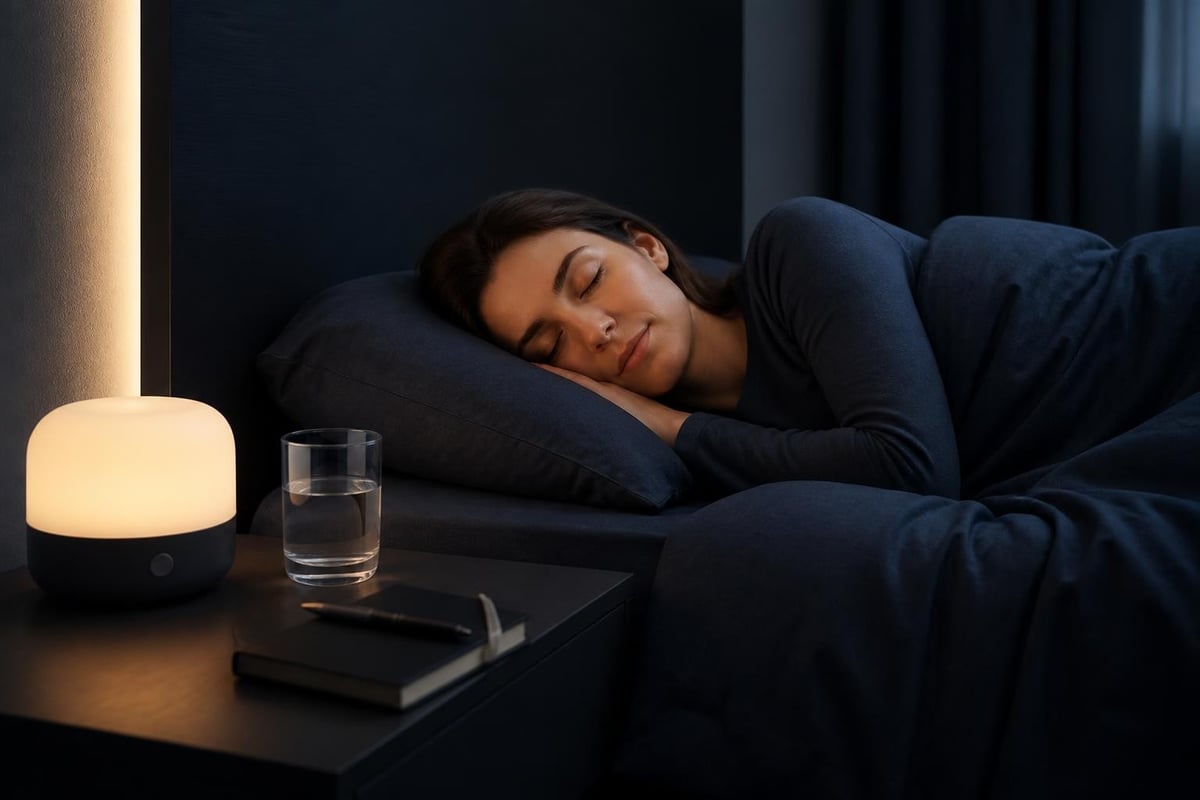
Beyond focus and concentration, 432 hz sound therapy has attracted attention for sleep enhancement and recovery support. Sleep frequency applications have gained traction as individuals seek non-pharmaceutical approaches to rest quality.
The relationship between sound frequencies and sleep architecture remains an active research area. Preliminary evidence suggests that specific acoustic environments may facilitate transitions between sleep stages or support deeper slow-wave sleep periods essential for cognitive restoration.
Practical Sleep Protocol Design
When applying frequency-based approaches to sleep:
- Begin exposure 30-45 minutes before desired sleep onset
- Maintain consistent volume levels between 40-50 decibels
- Use gradual fade-out timers to prevent abrupt silence disruption
- Combine with sleep hygiene fundamentals like darkness and temperature control
- Monitor sleep metrics through wearable devices when possible
Individual responses vary significantly based on factors including sleep disorders, medication use, and baseline sleep efficiency. What supports one person's rest may prove ineffective or even counterproductive for another.
Emerging Research Methodologies
The scientific investigation of 432 hz sound therapy continues to evolve with novel research frameworks. New approaches like designo-therapy represent efforts to systematize sound research within health contexts, integrating design principles with therapeutic applications.
These methodological innovations address previous research limitations by establishing standardized protocols for frequency delivery, measurement techniques, and outcome assessment. The goal involves creating replicable study designs that allow meaningful comparison across investigations.
Contemporary research increasingly employs:
- Neuroimaging techniques to observe real-time brain activity during frequency exposure
- Wearable biosensors for continuous physiological monitoring during daily activities
- Machine learning algorithms to identify individual response patterns and predict optimal parameters
- Controlled acoustic environments eliminating confounding variables from environmental noise
Practical Implementation Guidelines
For individuals interested in exploring 432 hz sound therapy, systematic implementation increases the likelihood of positive outcomes. Random or inconsistent exposure rarely produces measurable benefits.
Getting Started with Frequency-Based Practice
Begin with clear intentions and realistic expectations:
- Define specific goals such as improved concentration during morning work sessions or reduced evening anxiety
- Allocate dedicated time periods rather than treating sound therapy as background noise
- Document your experience through brief daily notes on perceived effects and contextual factors
- Adjust parameters systematically by changing only one variable at a time to identify effective combinations
- Maintain consistent practice for at least three weeks before evaluating overall effectiveness
Quality of implementation matters more than duration. A focused 15-minute session with intentional engagement typically produces better outcomes than hours of unfocused background exposure.
Individual Variation and Personalization
One critical factor in 432 hz sound therapy effectiveness involves recognizing substantial individual differences in auditory processing and frequency sensitivity. Genetics, prior experiences, cultural background, and current mental state all influence how you respond to specific sound interventions.
Some individuals demonstrate heightened sensitivity to acoustic environments, experiencing pronounced effects from subtle frequency variations. Others require more intense or prolonged exposure to notice any changes. Neither response pattern indicates superiority; they simply reflect neurological diversity.
Customizing Your Approach
Effective personalization strategies include:
- Testing different volume levels to find your optimal threshold
- Experimenting with pure tones versus musical compositions at 432 Hz
- Trying various listening durations from brief 5-minute sessions to extended 60-minute practices
- Combining frequencies with other sensory inputs like aromatherapy or temperature variation
- Adjusting timing to match your circadian patterns and daily energy fluctuations
This exploratory process requires patience and systematic observation. Rapid conclusions based on limited exposure often prove unreliable.
Critical Evaluation of Claims
While exploring 432 hz sound therapy, maintaining healthy skepticism about extraordinary claims serves your interests. The wellness industry frequently overstates preliminary findings or misrepresents limited evidence as definitive proof.
Legitimate research acknowledges uncertainty and presents findings with appropriate caveats. When evaluating information sources, consider the distinction between peer-reviewed scientific publications and promotional materials designed to sell products or services.
Red flags indicating unreliable information include:
- Claims of "miracle" effects or universal benefits across all conditions
- Absence of citations to published research or reliance on outdated studies
- Testimonials replacing systematic evidence
- Conspiracy theories about suppression of frequency-based healing
- Promises of specific outcomes without individual variation acknowledgment
Responsible approaches to sound therapy emphasize potential benefits while recognizing limitations and individual variability.
Future Directions in Frequency Research
The field of 432 hz sound therapy stands at an interesting juncture in 2026. Growing public interest has stimulated increased research funding and methodological sophistication, while simultaneously raising concerns about commercialization outpacing scientific validation.
Promising developments on the horizon include multi-site collaborative studies with larger participant pools, advanced neuroimaging investigations of frequency-specific brain responses, and artificial intelligence applications for personalized frequency prescription based on individual biomarker profiles.
These advances may clarify which individuals benefit most from specific frequency interventions and under what circumstances. Rather than universal recommendations, the future likely involves precision approaches tailored to neurological profiles, lifestyle factors, and specific therapeutic goals.
The integration of sound therapy with other evidence-based practices represents another frontier. Understanding how acoustic interventions complement or enhance techniques like cognitive behavioral therapy, mindfulness training, or pharmacological treatments could optimize overall therapeutic outcomes.
Understanding 432 hz sound therapy requires balancing openness to emerging evidence with critical evaluation of claims. The research suggests potential benefits for focus, stress reduction, and mental clarity, though individual responses vary considerably. Freshhh.app takes this science-backed approach seriously, combining frequency-optimized soundscapes with research-based micro-habits and practical focus techniques to help you train your mind for sustained improvement. Rather than passive listening alone, this integrated method supports the behavioral and cognitive changes that create lasting mental wellness.