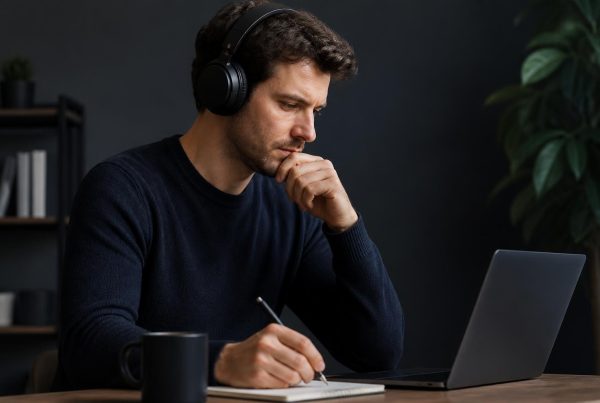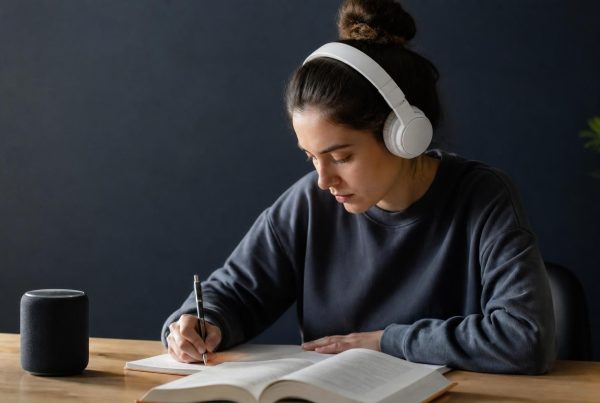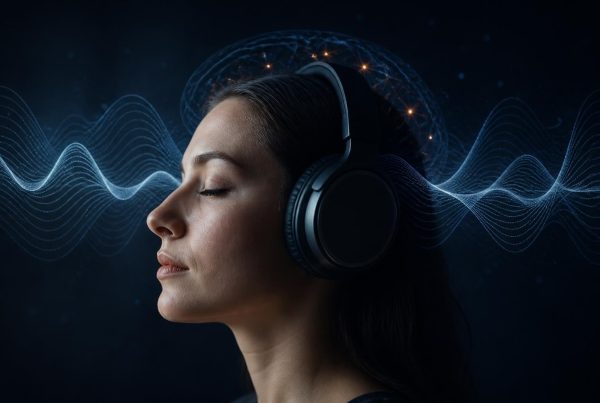
Sound has shaped human emotional experience for millennia, from ancient ceremonial drumming to modern therapeutic interventions. When anxiety disrupts your focus and clouds your mental clarity, the right auditory environment can serve as a powerful tool for regaining balance. Anxiety music represents a specialized category of therapeutic sound designed to calm the nervous system, reduce stress hormones, and create conditions for improved concentration. Understanding how these soundscapes work and how to implement them effectively can transform your approach to managing daily stress and cultivating sustained mental wellness.
The Science Behind Therapeutic Sound for Anxiety
The human brain responds to auditory stimuli through complex neurological pathways that directly influence emotional regulation and stress response. When you encounter anxiety music, your auditory cortex processes the sound frequencies and sends signals to the amygdala, the brain's emotional processing center. This interaction can trigger a cascade of physiological changes that counteract anxiety symptoms.
Research demonstrates measurable impacts of music on anxiety reduction. Studies examining music therapy in clinical settings have shown significant reductions in pre-treatment anxiety among patients, highlighting the therapeutic potential of carefully designed soundscapes. These effects extend beyond subjective feelings of calm to include observable changes in heart rate variability, cortisol levels, and breathing patterns.
Neural Mechanisms of Sound-Based Anxiety Relief
The effectiveness of anxiety music stems from its ability to influence brainwave activity. Different sound frequencies can encourage your brain to shift from beta waves, associated with active thinking and anxiety, toward alpha and theta waves, which correlate with relaxation and meditative states.
Key neurological responses include:
- Activation of the parasympathetic nervous system, which counters the fight-or-flight response
- Release of dopamine and serotonin, neurotransmitters associated with mood regulation
- Reduction in cortisol production, lowering overall stress load
- Synchronization of neural oscillations, promoting coherent brain activity
The temporal patterns in music also matter significantly. Tracks with slower tempos, typically between 60 and 80 beats per minute, tend to encourage heart rate entrainment, where your cardiovascular system naturally aligns with the rhythm of the sound. This physiological synchronization creates a foundation for deeper relaxation and anxiety reduction.
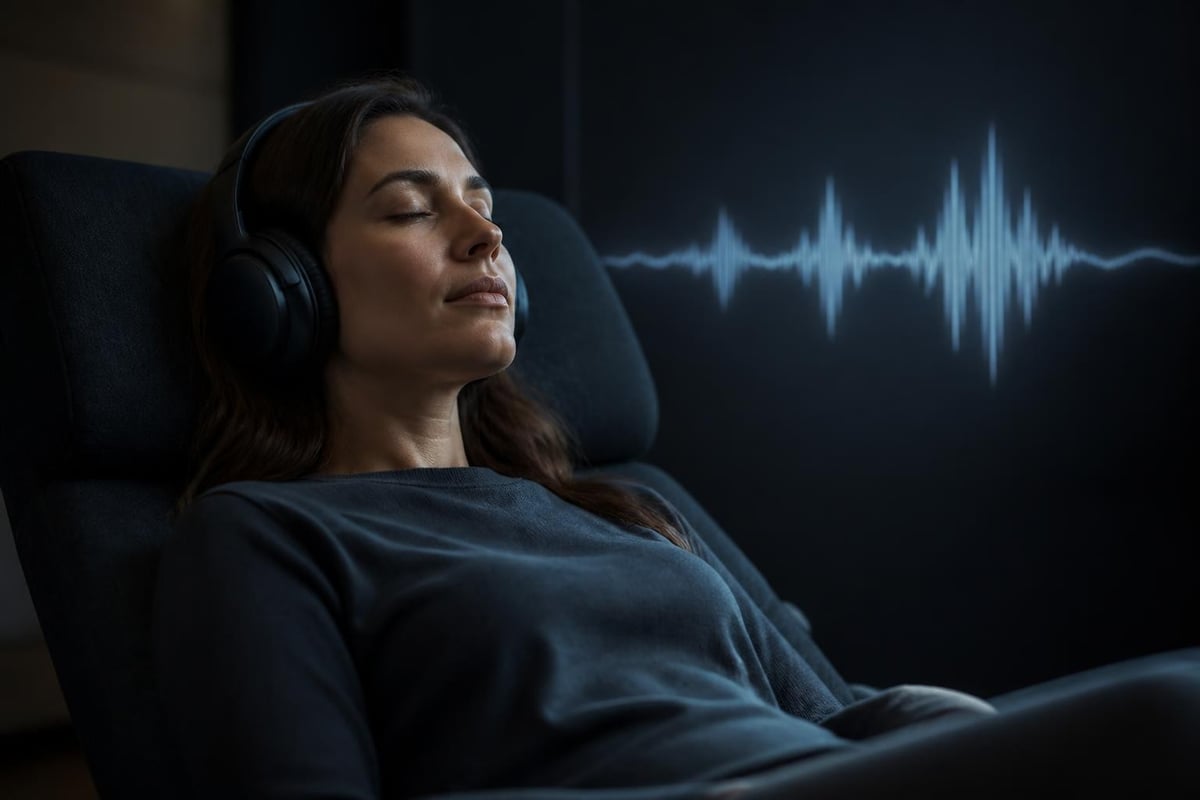
Characteristics of Effective Anxiety Music
Not all calming sounds produce the same therapeutic effects. The most effective anxiety music incorporates specific acoustic elements that research has identified as particularly beneficial for nervous system regulation and mental clarity.
Frequency and Harmonic Structure
Sound frequencies between 256 Hz and 528 Hz appear particularly effective for anxiety reduction. These ranges fall within natural harmonic series that resonate with biological rhythms. Binaural beats, created when slightly different frequencies are presented to each ear, can guide brain activity toward desired states without requiring active focus or meditation skills.
| Sound Element | Optimal Range | Therapeutic Effect |
|---|---|---|
| Tempo | 60-80 BPM | Heart rate synchronization |
| Frequency | 256-528 Hz | Nervous system calming |
| Dynamic Range | Low variation | Prevents startle response |
| Harmonic Complexity | Moderate | Engagement without overstimulation |
Natural Soundscape Components
Many effective anxiety music compositions incorporate elements from natural environments. Running water, rustling leaves, and gentle rain patterns provide acoustic irregularity that prevents habituation while maintaining a soothing quality. These sounds trigger evolutionary responses associated with safety and resource availability, creating an inherent sense of security.
The integration of natural sound elements works synergistically with musical components. A study exploring music’s role in pain and anxiety reduction revealed that patients reported significant improvements when exposed to therapeutic audio during recovery periods, suggesting broad applications beyond traditional music therapy settings.
Building an Anxiety Music Practice
Implementing anxiety music into your daily routine requires more than passive listening. The most significant benefits emerge when you combine intentional sound exposure with complementary practices that reinforce nervous system regulation and mental clarity.
Structured Listening Sessions
Creating dedicated time blocks for anxiety music exposure helps establish consistent neurological patterns. Begin with 10 to 15-minute sessions and gradually extend duration as your capacity for sustained focus improves.
Steps for effective practice:
- Select a consistent time each day when stress levels typically peak
- Choose a quiet environment with minimal external interruptions
- Use quality headphones to maximize binaural and spatial audio effects
- Combine listening with controlled breathing exercises
- Track your emotional state before and after each session
This structured approach transforms passive listening into active training. Your brain begins to associate specific soundscapes with relaxation responses, strengthening the therapeutic effect over time through classical conditioning mechanisms.
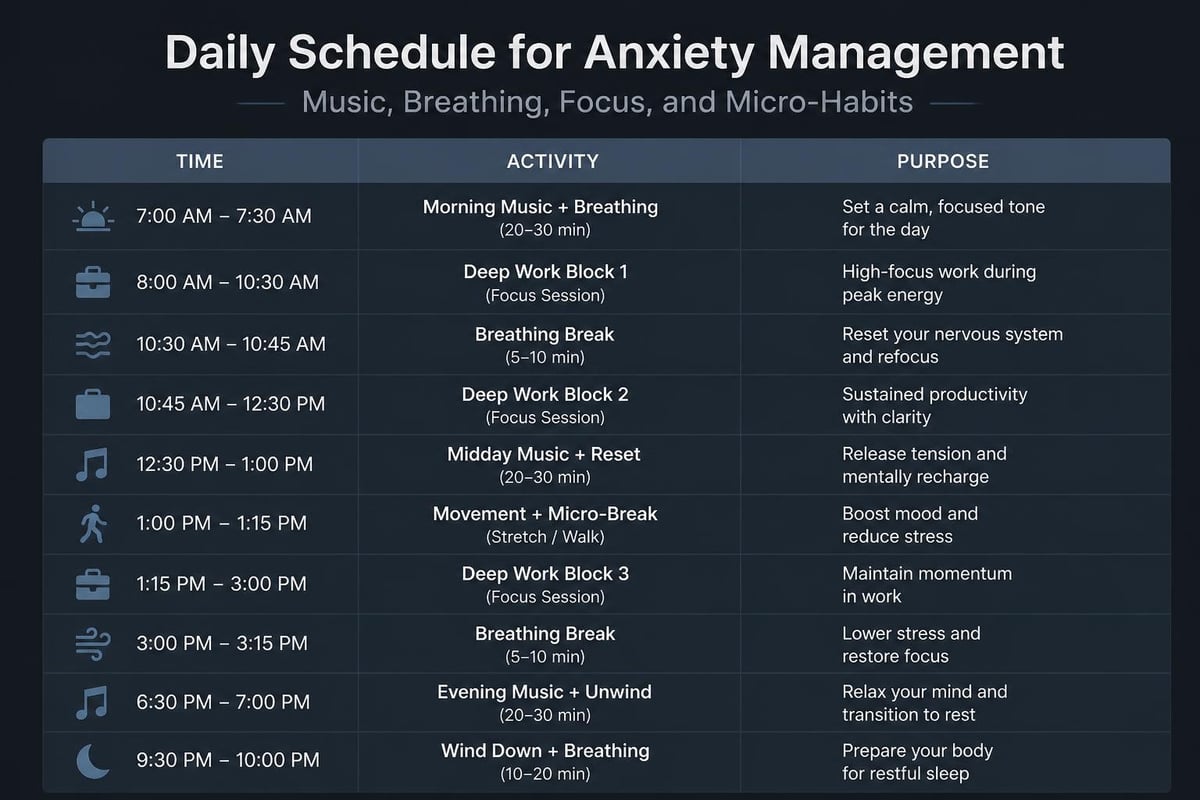
Integration with Micro-Habits
The most sustainable anxiety reduction strategies combine multiple evidence-based interventions. Pairing anxiety music with small behavioral adjustments creates compound benefits that exceed the impact of either approach alone.
Consider integrating sound therapy with practices like progressive muscle relaxation, where you systematically tense and release muscle groups while listening. This dual-channel approach occupies both auditory and proprioceptive processing, leaving less mental bandwidth for anxious rumination. Research on music creation and listening indicates measurable increases in dopamine and reduced anxiety when individuals actively engage with sound, rather than treating it as background noise.
Personalization and Adaptive Sound Therapy
Individual responses to anxiety music vary considerably based on personal history, cultural background, and specific anxiety triggers. What calms one person may prove ineffective or even agitating for another, making personalization essential for optimal outcomes.
Identifying Your Sound Preferences
Begin by exploring different categories of anxiety music to determine which acoustic characteristics resonate most effectively with your nervous system. Some individuals respond best to pure frequency tones, while others require melodic elements or natural soundscapes to achieve relaxation.
Track your responses systematically by maintaining a simple log:
- Sound type: (binaural beats, nature sounds, ambient music, instrumental compositions)
- Duration: How long you listened
- Context: What you were doing (working, resting, commuting)
- Anxiety level: Rate 1-10 before and after
- Focus quality: Subjective assessment of concentration
This data reveals patterns that guide future selections. You might discover that certain frequencies work better during morning anxiety peaks while different soundscapes prove more effective for evening wind-down routines.
Emerging Technologies in Personalized Sound
Advanced systems like EmoHeal demonstrate the potential for algorithmically generated music that adapts to real-time emotional states. These platforms analyze user input or physiological signals to deliver precisely calibrated soundscapes that match current needs. While such technology remains in development, it points toward a future where anxiety music becomes increasingly sophisticated and individually tailored.
The principle of adaptive sound therapy extends to simpler implementations. You might create multiple playlists corresponding to different anxiety intensities or situational contexts. A high-stress playlist could feature more structured, rhythmically consistent tracks to anchor scattered attention, while a mild-anxiety selection might incorporate greater variation to maintain engagement without overstimulation.
Combining Sound Therapy with Behavioral Strategies
Anxiety music achieves maximum effectiveness when integrated into a comprehensive approach to stress management and mental wellness. Sound serves as one component within a broader ecosystem of practices that collectively support nervous system regulation.
Cognitive Pairing Techniques
As you listen to anxiety music, consciously direct your attention to specific mental exercises that reinforce the calming effects. Visualization practices work particularly well with soundscapes. Imagine the sound frequencies as waves washing over tense areas of your body, or picture anxiety as fog gradually clearing with each musical phrase.
Effective cognitive techniques include:
- Guided body scanning while tracking sound elements
- Counting breathing cycles in rhythm with musical tempo
- Associating specific sound textures with positive memories
- Mental labeling of anxious thoughts without engagement
These paired practices create stronger neural associations between the auditory stimulus and relaxation response. Over time, merely hearing familiar anxiety music can trigger automatic calming, even in challenging environments.
Environmental Optimization
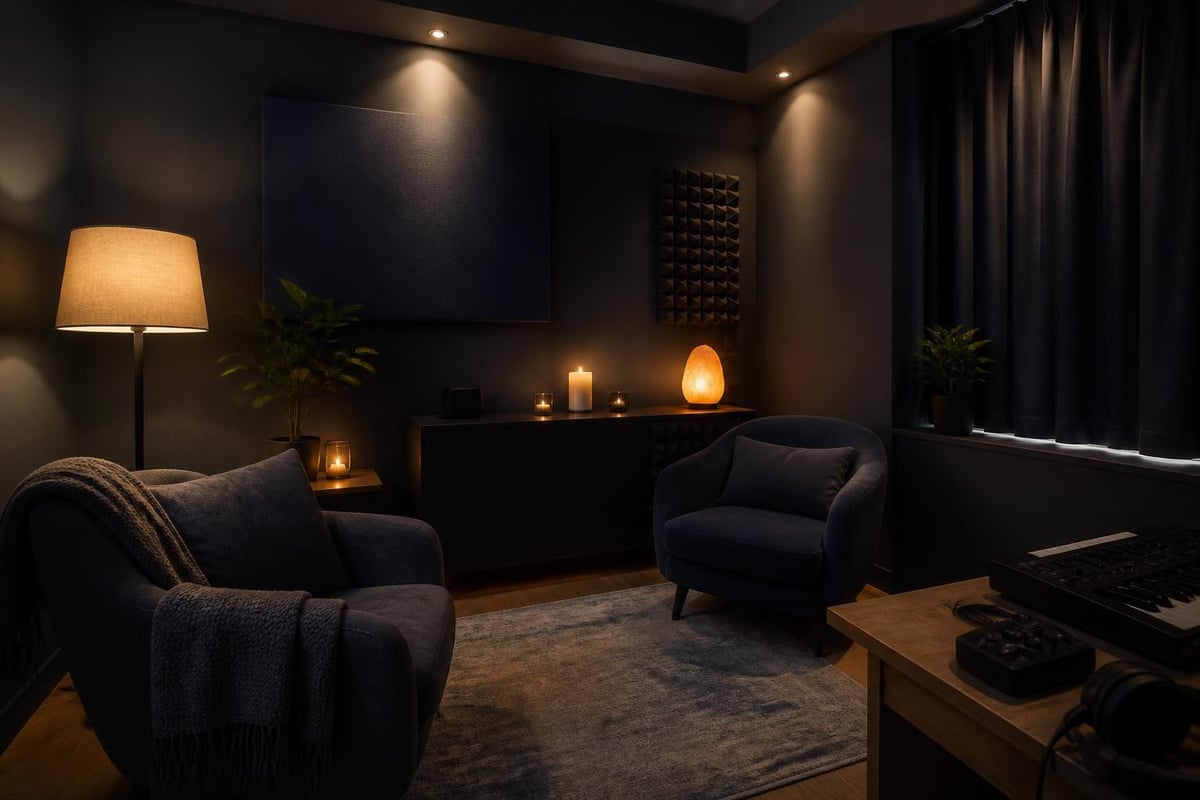
The physical setting where you engage with anxiety music significantly influences outcomes. Sound therapy works best in spaces designed to minimize competing sensory input and maximize comfort. Consider factors like lighting, temperature, seating position, and device quality when establishing your listening environment.
| Environmental Factor | Optimal Condition | Rationale |
|---|---|---|
| Lighting | Dim or warm-toned | Reduces visual stimulation |
| Temperature | Slightly cool (68-72°F) | Supports alertness without discomfort |
| Seating | Supported but not fully reclined | Prevents sleep while allowing relaxation |
| Device | Quality headphones | Ensures full frequency range delivery |
Long-Term Benefits and Sustained Practice
The true value of anxiety music emerges through consistent, long-term practice. While individual sessions provide immediate relief, regular engagement creates lasting changes in how your nervous system processes stress and maintains emotional equilibrium.
Neuroplasticity and Habit Formation
Your brain continuously reorganizes neural connections based on repeated experiences. Each anxiety music session strengthens pathways between auditory processing and relaxation responses. After several weeks of daily practice, these connections become more efficient, requiring less time and conscious effort to activate calming states.
Research supporting digital mental wellness tools suggests that self-guided interventions, when used consistently, can produce meaningful anxiety reduction comparable to some clinical approaches. The key lies in establishing sustainable routines that fit naturally into existing daily patterns.
Measuring Progress and Adjusting Approach
Track multiple dimensions of improvement beyond immediate anxiety reduction. Notice changes in your baseline stress levels, the frequency of anxiety episodes, recovery time after stressful events, and overall mental clarity during work or creative tasks.
Markers of effective long-term practice:
- Reduced reliance on anxiety music for basic stress management
- Improved ability to self-regulate without external interventions
- Greater awareness of early anxiety signals before escalation
- Enhanced focus capacity during challenging cognitive tasks
- Better sleep quality and reduced nighttime anxiety
As your nervous system becomes more regulated, you may find that shorter sessions or less frequent practice maintains benefits that initially required extensive daily engagement. This efficiency represents genuine progress toward resilient mental wellness rather than dependence on external tools.
Practical Applications Across Daily Contexts
Anxiety music adapts to various situations and environments, making it a versatile tool for managing stress throughout your day. Understanding which approaches work best in different contexts helps you deploy sound therapy strategically for maximum benefit.
Work and Focus Enhancement
During cognitively demanding tasks, anxiety music can create an acoustic environment that supports sustained concentration while preventing stress accumulation. Select compositions with minimal melodic variation to avoid capturing attention that should remain directed toward your work.
For deep focus sessions, prioritize soundscapes with consistent frequency patterns and avoid tracks with sudden dynamic shifts. The goal is creating a stable auditory background that masks distracting environmental noise while supporting optimal brainwave activity for concentration.
Transition and Reset Moments
Brief anxiety music sessions between activities help reset your nervous system and prevent stress carryover from one context to another. A five-minute listening break between meetings or before shifting from work to personal time creates mental separation and emotional recalibration.
These micro-sessions prove particularly valuable when facing unavoidable stressors. If you know an anxiety-triggering situation approaches, preliminary exposure to calming soundscapes can pre-activate relaxation responses, making you more resilient when the stressor arrives.
Evening Wind-Down Routines
Anxiety often intensifies during evening hours as the day's accumulated stress peaks while external distractions diminish. Incorporating anxiety music into pre-sleep routines signals your nervous system to begin transitioning toward rest. Pair listening with other wind-down behaviors like light stretching, journaling, or preparing your environment for sleep.
For additional support during particularly stressful periods, consider accessible anxiety relief resources that provide immediate calming options when you need quick nervous system regulation.
Anxiety music offers a scientifically grounded approach to stress management that complements broader mental wellness practices. By understanding how therapeutic soundscapes influence neural activity and implementing structured listening routines, you can develop more resilient responses to daily stressors while enhancing focus and emotional clarity. Freshhh.app combines these research-backed acoustic principles with actionable micro-habits and expert guidance, creating a comprehensive system for training your mind toward sustained calm and concentration. Start building your personalized sound therapy practice today and experience how intentional auditory environments transform your relationship with anxiety and mental performance.