Sleep challenges affect millions of people worldwide, with many searching for natural solutions to improve their nightly rest. Binaural beats sleeping techniques have emerged as a promising approach, leveraging auditory neuroscience to guide the brain toward restful states. This sound therapy method creates specific frequency patterns that may help reduce the time it takes to fall asleep while promoting deeper, more restorative sleep cycles. Understanding how these audio signals work and how to use them effectively can transform your approach to better sleep quality.
Understanding the Science Behind Binaural Beats
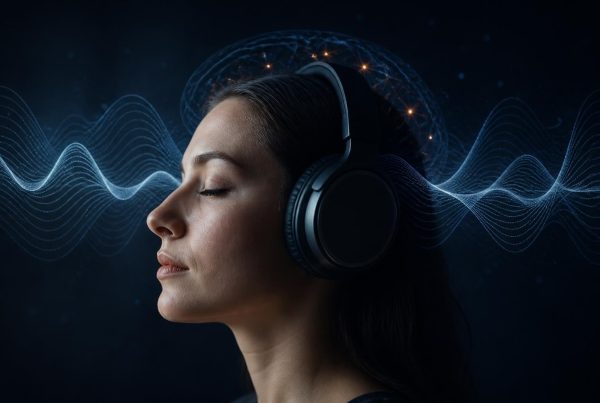
Binaural beats function through a fascinating neurological process. When you listen through headphones, each ear receives a slightly different frequency. Your brain perceives the mathematical difference between these two tones as a third, pulsing beat that doesn't actually exist in the external environment.
This perceived beat encourages your brainwaves to synchronize with the frequency difference, a phenomenon called frequency following response. For sleep applications, the goal is to guide your brain toward delta waves (0.5-4 Hz) or theta waves (4-8 Hz), which dominate during deep sleep and drowsiness respectively.
The Frequency Following Response
The mechanism behind binaural beats relies on your brain's natural tendency to align its electrical activity with external rhythmic stimuli. When exposed to a 200 Hz tone in one ear and a 204 Hz tone in the other, your brain processes a 4 Hz binaural beat.
Key frequency ranges for sleep include:
- Delta waves (0.5-4 Hz): Deep, dreamless sleep and physical restoration
- Theta waves (4-8 Hz): Light sleep, drowsiness, and the transition to sleep
- Low alpha waves (8-10 Hz): Relaxed wakefulness and pre-sleep calm
Research has shown that binaural beats can influence sleep architecture, with specific frequencies reducing the time required to enter slow-wave sleep phases. A 2024 study found that 0.25 Hz binaural beats significantly shortened latency to deep sleep during daytime naps, suggesting practical applications for nighttime rest.
Optimal Frequencies for Sleep Enhancement
Not all binaural beats work equally well for sleep purposes. The effectiveness depends heavily on selecting appropriate frequency ranges that align with your specific sleep needs.
Delta range frequencies (1-4 Hz) represent the most powerful option for promoting deep, restorative sleep. These frequencies mirror the brain's natural electrical patterns during the deepest sleep stages, when physical healing and memory consolidation occur most actively.
Choosing the Right Frequency for Your Needs
| Sleep Goal | Frequency Range | Expected Benefit | Best Use Time |
|---|---|---|---|
| Falling asleep faster | 4-8 Hz (Theta) | Reduced sleep latency | 30 min before bed |
| Deeper sleep quality | 1-4 Hz (Delta) | Enhanced slow-wave sleep | During sleep |
| Relaxation before bed | 8-10 Hz (Low Alpha) | Mental calmness | 60 min before bed |
| Nap optimization | 0.25-2 Hz (Low Delta) | Quick sleep onset | Daytime rest periods |
Sleep experts recommend starting with theta frequencies during your wind-down routine, then transitioning to delta frequencies as you prepare for sleep. This progressive approach mimics the natural progression your brain follows when falling asleep naturally.
The duration of exposure matters significantly. Most research suggests listening for at least 20-30 minutes to allow sufficient time for frequency following response to develop. Some individuals benefit from continuous exposure throughout the night, while others prefer limiting use to the initial sleep onset period.
Creating an Effective Binaural Beats Sleep Routine
Implementing binaural beats sleeping techniques requires more than simply pressing play. Success depends on establishing consistent habits and optimizing your listening environment for maximum effectiveness.
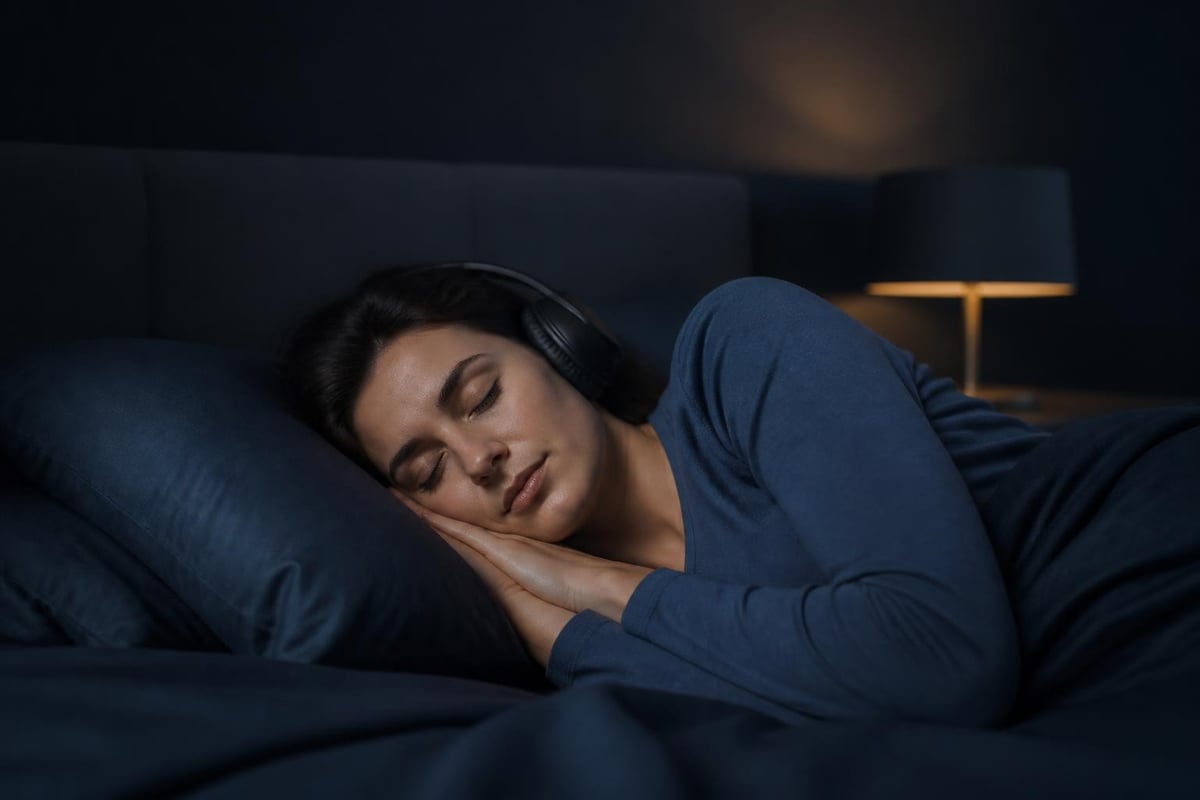
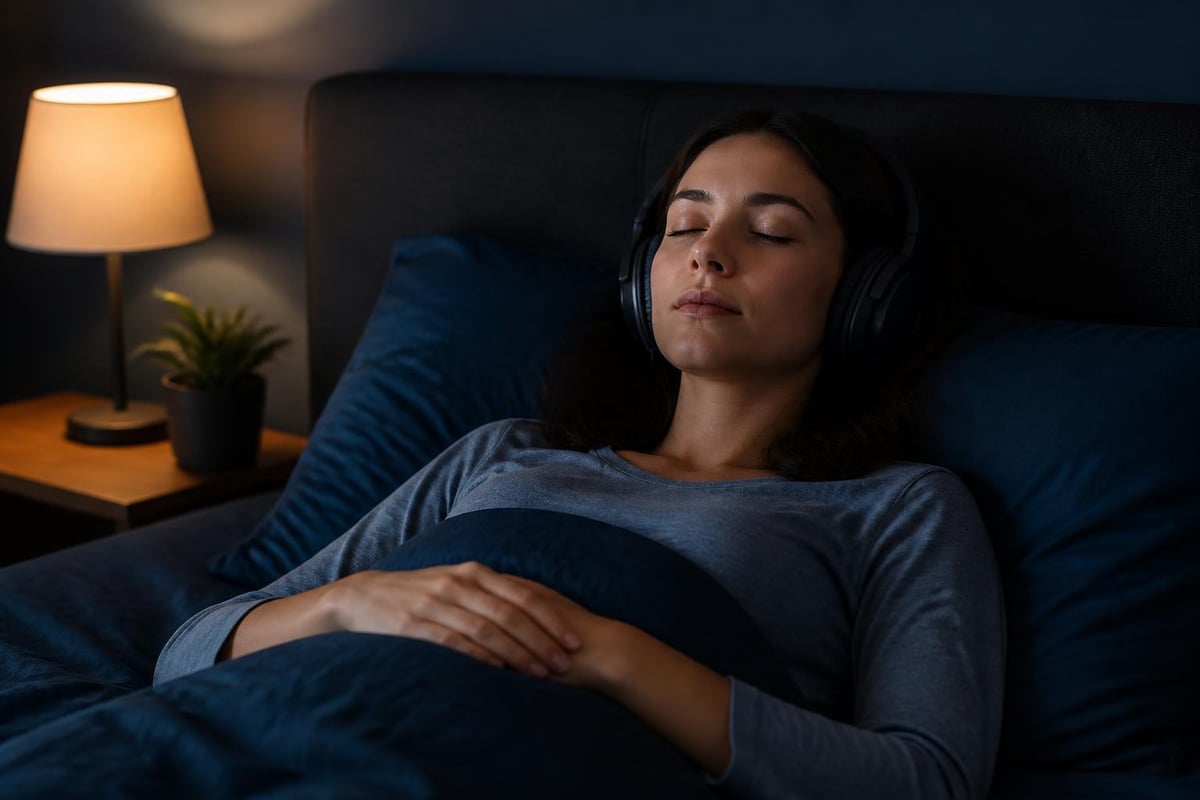
Your physical setup plays a crucial role in results. Quality headphones are non-negotiable, as binaural beats require discrete sound delivery to each ear. Over-ear headphones typically provide better comfort for extended use, though some prefer sleep-specific earbuds designed for side sleeping.
Essential Components of a Sleep Routine
- Timing consistency: Begin your binaural beats session at the same time each night to establish circadian rhythm support
- Environment preparation: Dim lights, reduce room temperature, and eliminate visual distractions before starting
- Volume calibration: Set audio levels just loud enough to hear comfortably but not so loud as to be stimulating
- Complementary practices: Combine binaural beats with breathing exercises or progressive muscle relaxation
- Technology management: Use airplane mode or dedicated audio devices to prevent sleep disruptions from notifications
Many users find success by integrating binaural beats with broader sleep hygiene practices. This holistic approach addresses multiple factors affecting sleep quality simultaneously.
Additional optimization strategies include:
- Avoiding caffeine for at least 6 hours before your binaural beats session
- Establishing a pre-sleep routine that signals relaxation to your nervous system
- Using consistent soundscapes that your brain learns to associate with sleep
- Tracking your sleep quality to identify which frequencies work best for your physiology
Freshhh.app offers dedicated binaural beats sound collections specifically designed for sleeping, combining scientifically validated frequencies with acoustic research to support natural sleep cycles. The platform's sleep-focused soundscapes integrate seamlessly into evening routines, providing both the auditory stimulus and the behavioral framework needed for sustainable improvement.
Evidence-Based Benefits and Realistic Expectations
Scientific research into binaural beats sleeping applications continues to evolve, with studies showing both promising results and important limitations. Understanding what evidence supports can help you set realistic expectations and maximize potential benefits.
The most robust findings relate to sleep latency reduction. Multiple studies demonstrate that appropriate binaural beat frequencies can decrease the time required to fall asleep, particularly for individuals who struggle with racing thoughts or difficulty transitioning to rest. Research examining anxiety relief and focus also suggests benefits for individuals with ADHD, who often experience sleep difficulties.
What Research Supports
| Claimed Benefit | Evidence Level | Research Notes |
|---|---|---|
| Reduced sleep latency | Strong | Multiple studies show faster sleep onset |
| Increased slow-wave sleep | Moderate | Specific frequencies enhance deep sleep phases |
| Improved sleep quality | Moderate | Subjective reports show improvement |
| Reduced anxiety before bed | Moderate | May help calm pre-sleep mental activity |
| Complete insomnia cure | Weak | Not a replacement for medical treatment |
Individual responses vary considerably. Some people experience dramatic improvements in sleep quality within days, while others notice subtle changes over weeks of consistent use. Factors including existing sleep disorders, stress levels, medication use, and overall health all influence effectiveness.
Sleep frequencies are emerging as complementary tools rather than standalone solutions. The most significant results typically occur when binaural beats combine with evidence-based sleep practices like maintaining consistent sleep schedules, creating optimal bedroom environments, and addressing underlying health conditions.
Practical Implementation and Common Challenges
Starting with binaural beats sleeping techniques raises practical questions about equipment, duration, safety, and troubleshooting. Addressing these concerns upfront increases your likelihood of sustained success.
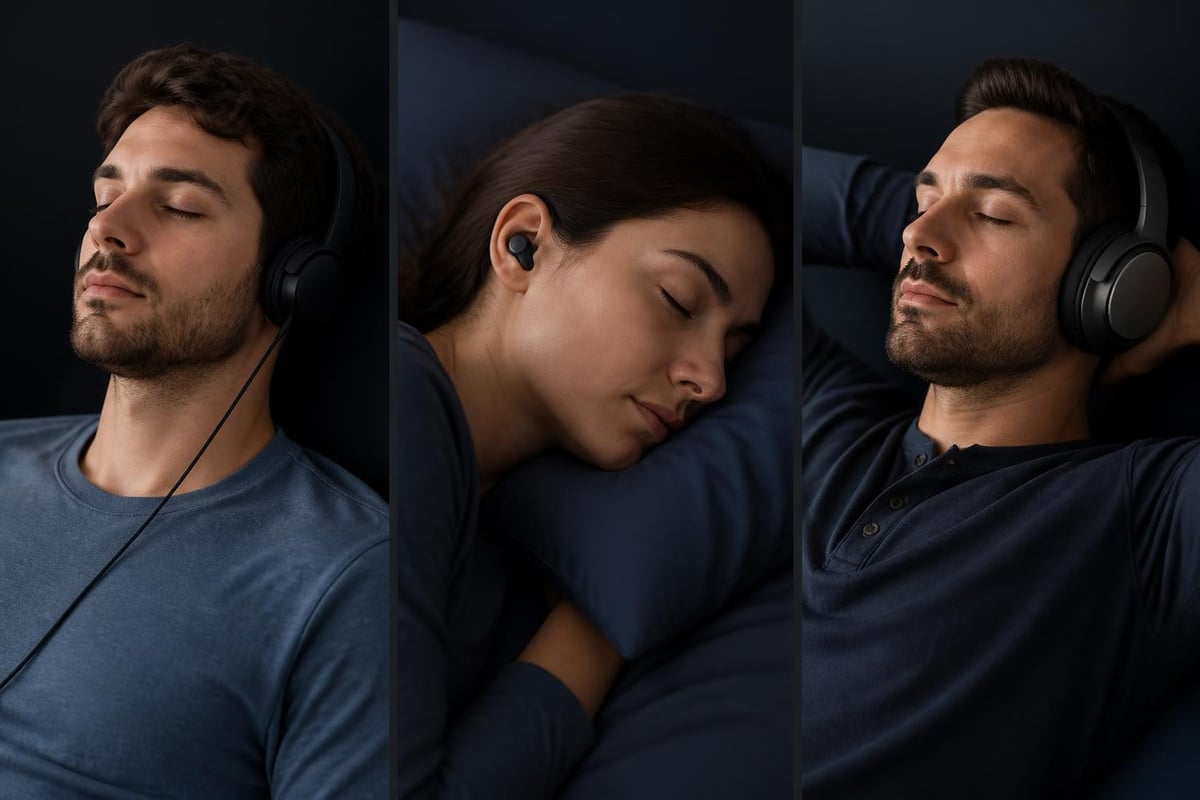
Headphone selection represents the first decision point. Wired headphones eliminate concerns about Bluetooth disconnection during sleep, though wireless options offer greater freedom of movement. Sleep-specific headphones with flat designs accommodate side sleepers, while traditional over-ear models provide superior sound quality for pre-sleep use.
Troubleshooting Common Issues
If binaural beats aren't improving your sleep:
- Verify you're using frequencies in the delta or theta range (not stimulating beta frequencies)
- Ensure sufficient volume without creating tension from straining to hear
- Check that both earbuds work properly and deliver discrete signals to each ear
- Experiment with different frequency ranges to identify your optimal response
- Consider whether background soundscapes (rain, white noise) enhance or distract from effectiveness
Some individuals experience initial difficulty adjusting to binaural beats. The unfamiliar sensation of the perceived beat can actually increase alertness rather than promoting relaxation. This typically resolves within 3-5 sessions as your brain adapts to the stimulus pattern.
Safety concerns are minimal for most users. However, individuals with seizure disorders should consult healthcare providers before using binaural beats, as rhythmic stimulation can theoretically trigger seizure activity in susceptible individuals. Pregnant women and those with heart conditions should also seek medical guidance.
Duration optimization depends on personal preference and response patterns. Start with 30-minute sessions during your pre-sleep routine. If you wake during the night, some people benefit from brief 10-15 minute sessions to facilitate returning to sleep, though others find this counterproductive.
Advanced Strategies for Maximizing Results
Once you've established basic binaural beats sleeping habits, advanced techniques can enhance effectiveness and address specific sleep challenges. These strategies build on foundational practices to create more sophisticated interventions.
Frequency sequencing involves progressing through multiple frequency ranges during a single session. A typical sequence might begin with 10 Hz alpha waves for initial relaxation, transition to 6 Hz theta for drowsiness, and conclude with 2 Hz delta for deep sleep induction. This mimics natural brainwave progression and may facilitate smoother transitions between sleep stages.
Layering techniques include:
- Combining binaural beats with isochronic tones for enhanced frequency following
- Adding nature sounds or white noise to mask environmental disturbances
- Incorporating periodic silence to prevent auditory adaptation
- Using carrier frequencies that complement the binaural beat difference
Personalization based on chronotype improves alignment with your natural circadian rhythms. Morning types (larks) may benefit from earlier binaural beats sessions, while evening types (owls) might need longer pre-sleep routines to override their delayed sleep phase tendencies.
Tracking sleep metrics provides objective feedback about effectiveness. Wearable devices measuring sleep duration, deep sleep percentage, and wake episodes help identify which frequencies and protocols produce measurable improvements. This data-driven approach removes guesswork from optimization efforts.
Creating Sound Collections for Different Needs
Freshhh.app's sound collections for sleeping extend beyond basic binaural beats, offering curated combinations that address varied sleep challenges. Collections might target specific concerns like stress-related insomnia, travel-related circadian disruption, or recovery from sleep debt.
The platform's approach recognizes that effective binaural beats sleeping protocols require more than audio files. Micro-habits like consistent timing, pre-sleep rituals, and environmental preparation amplify the neurological effects of frequency entrainment. This integration of behavioral and auditory interventions produces superior outcomes compared to sound therapy alone.
Research-based tips within Freshhh.app help users understand not just what frequencies to use, but why specific protocols work and how to adapt them for individual circumstances. This educational component builds sustainable practices rather than dependency on passive listening.
Integrating Binaural Beats with Comprehensive Sleep Support
Binaural beats sleeping techniques deliver maximum value when integrated within broader wellness frameworks. Isolated audio intervention rarely addresses the multiple factors contributing to sleep difficulties.
Stress management practices complement frequency entrainment by reducing the cortisol levels and sympathetic nervous system activation that interfere with sleep onset. Combining binaural beats with meditation, journaling, or gentle stretching creates synergistic effects that address both immediate sleep latency and underlying tension patterns.
Nutrition timing influences how effectively binaural beats work. Heavy meals within three hours of sleep, even with perfect frequency selection, typically reduce effectiveness due to digestive processes interfering with parasympathetic dominance. Similarly, blood sugar crashes or spikes can override auditory entrainment effects.
Lifestyle factors that enhance binaural beats effectiveness:
- Regular exercise (completed at least 4 hours before sleep)
- Consistent sleep-wake schedules including weekends
- Strategic light exposure (bright mornings, dim evenings)
- Limited screen time before bed to preserve melatonin production
- Temperature regulation (cooler rooms support better sleep)
Mental training approaches align perfectly with binaural beats methodology. Rather than viewing sounds as magic solutions, understanding them as tools that facilitate neurological state changes empowers more effective use. This perspective shift, from passive consumption to active skill development, characterizes the Freshhh.app philosophy.
The science-backed focus and calm companion approach recognizes that sustainable sleep improvement requires training your mind's response patterns, not just exposing it to specific frequencies. Binaural beats provide the auditory scaffold, while concurrent micro-habits build the behavioral foundation for long-term success.
Binaural beats sleeping techniques offer a scientifically grounded approach to improving sleep quality through targeted frequency entrainment, particularly when combined with consistent routines and comprehensive sleep hygiene practices. Whether you're struggling with occasional restlessness or seeking to optimize already-decent sleep, the right frequencies at the right times can guide your brain toward more restorative rest. Freshhh.app combines dedicated binaural beats sound collections for sleeping with practical micro-habits and research-based guidance, helping you develop sustainable skills for better sleep rather than just providing passive audio. Start building your personalized sleep support system today with tools designed to train your mind for lasting calm and restoration.