Mental turbulence has become the defining characteristic of modern professional life. Your mind races through endless task lists, notifications cascade across devices, and the boundary between work and rest dissolves into a perpetual state of alertness. Learning to calm your mind isn't merely about temporary relief; it's about developing sustainable practices that restore cognitive function, enhance decision-making, and protect your long-term mental health. The science is clear: specific techniques can measurably reduce cortisol levels, increase alpha wave activity, and strengthen the prefrontal cortex's regulatory capacity over emotional responses.
Understanding the Neuroscience Behind Mental Calm
Your brain operates through distinct neural networks that shift between task-focused activity and restorative states. The default mode network activates during rest, but chronic stress keeps your sympathetic nervous system locked in overdrive, preventing natural recovery cycles.
When you actively work to calm your mind, you're engaging the parasympathetic nervous system, which counteracts stress responses by lowering heart rate, reducing blood pressure, and releasing neurotransmitters associated with relaxation. Relaxation techniques documented by medical research demonstrate measurable physiological changes that occur within minutes of practice.
The Role of Brainwave States
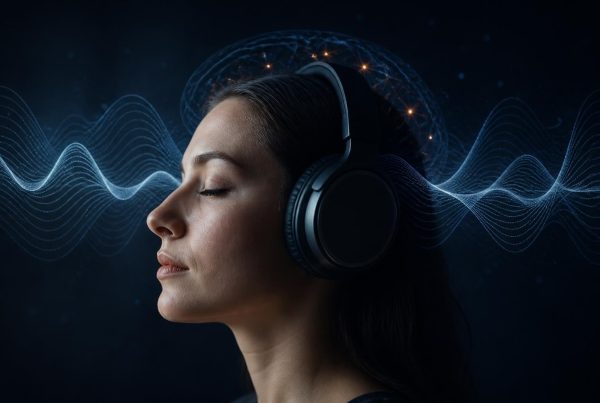
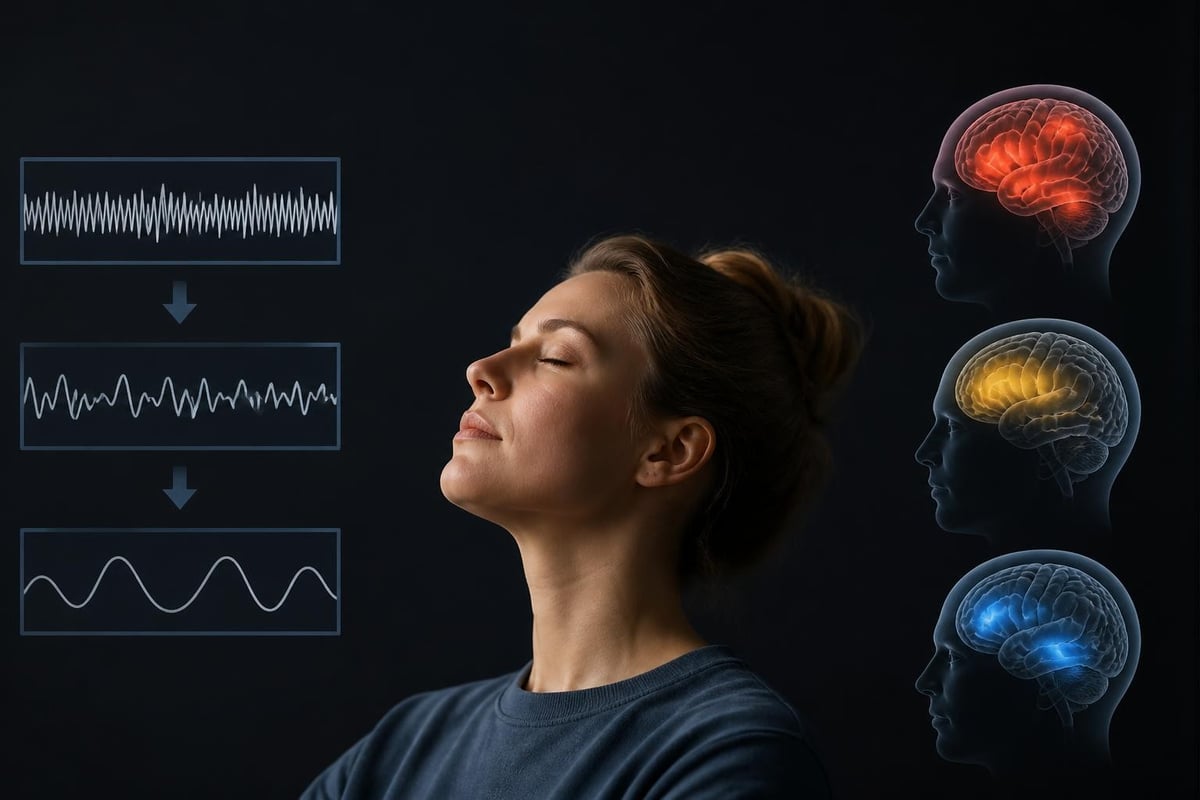
Different mental states correspond to specific brainwave frequencies. Beta waves (13-30 Hz) dominate during active thinking and problem-solving, but excessive beta activity correlates with anxiety and racing thoughts. Alpha waves (8-13 Hz) emerge during relaxed alertness, while theta waves (4-8 Hz) characterize deep meditation and creative insight.
The goal isn't to eliminate beta waves entirely but to develop the capacity to shift between states deliberately. This mental flexibility represents true mastery over your cognitive state.
Breathwork as a Foundation for Mental Clarity
Your respiratory pattern directly influences autonomic nervous system activity. Rapid, shallow breathing signals danger to your brain, maintaining elevated stress hormones. Conversely, controlled breathing activates the vagus nerve, triggering a cascade of calming physiological responses.
The 4-7-8 breathing technique has gained significant attention for its immediate impact:
- Exhale completely through your mouth
- Close your mouth and inhale through your nose for 4 counts
- Hold your breath for 7 counts
- Exhale completely through your mouth for 8 counts
- Repeat the cycle 4 times
This pattern forces your body into a parasympathetic state, making it physiologically impossible to maintain anxiety while practicing correctly.
Box Breathing for Professionals
Navy SEALs use box breathing to calm your mind before high-stakes operations. The symmetry creates neural coherence that enhances both relaxation and focus.
- Inhale for 4 counts
- Hold for 4 counts
- Exhale for 4 counts
- Hold empty for 4 counts
Practice this pattern for 5 minutes daily, gradually extending to 10-15 minutes as your capacity increases. The technique becomes particularly valuable before presentations, difficult conversations, or strategic decision-making sessions.
Sound Therapy and Acoustic Environments
Your auditory environment profoundly impacts cognitive state, yet most people remain unaware of sound's role in mental regulation. Research in psychoacoustics demonstrates that specific frequencies and sound patterns can entrain brainwave activity, guiding your mind toward desired states.
Pink noise, which contains all frequencies with greater energy in lower frequencies, has shown remarkable effects on sleep quality and memory consolidation. White noise masks environmental distractions, while binaural beats-created when slightly different frequencies play in each ear-may influence brainwave patterns through the frequency following response.
Exploring deep focus soundscapes reveals how intentionally designed acoustic environments support sustained concentration without the overstimulation caused by random background noise or complex music.
| Sound Type | Frequency Range | Primary Benefits | Best Use Cases |
|---|---|---|---|
| Pink Noise | Full spectrum (lower weighted) | Deep sleep, memory | Nighttime, studying |
| Brown Noise | Ultra-low frequencies | Relaxation, focus | Reading, writing |
| Binaural Beats | Variable (delta to beta) | State entrainment | Meditation, creativity |
| Natural Soundscapes | 20-20,000 Hz | Stress reduction | General work, recovery |
Creating Your Optimal Acoustic Environment
Sound therapy isn't passive listening-it's strategic environmental design. Evaluate your current audio landscape: Are you surrounded by unpredictable noise that triggers micro-stress responses? Does silence create internal pressure that amplifies intrusive thoughts?
The most effective approach combines intentional sound with periods of true quiet, training your nervous system to calm your mind regardless of external conditions.
Progressive Muscle Relaxation and Somatic Techniques
Mental tension manifests physically, creating a feedback loop where muscle tightness reinforces anxious thoughts. Progressive muscle relaxation (PMR) interrupts this cycle by systematically tensing and releasing muscle groups, teaching your body to recognize and release chronic tension.
Standard PMR sequence:
- Fists and forearms (clench tightly for 5 seconds, release for 10)
- Upper arms (flex biceps)
- Shoulders (raise toward ears)
- Neck (various directional tensions)
- Face (scrunch features)
- Chest and back (arch and flex)
- Abdomen (tighten core)
- Legs and feet (point and flex)
Complete the full sequence in 15-20 minutes. Research on relaxation techniques confirms that regular PMR practice reduces perceived stress and improves sleep quality measurably.
Body Scan Meditation
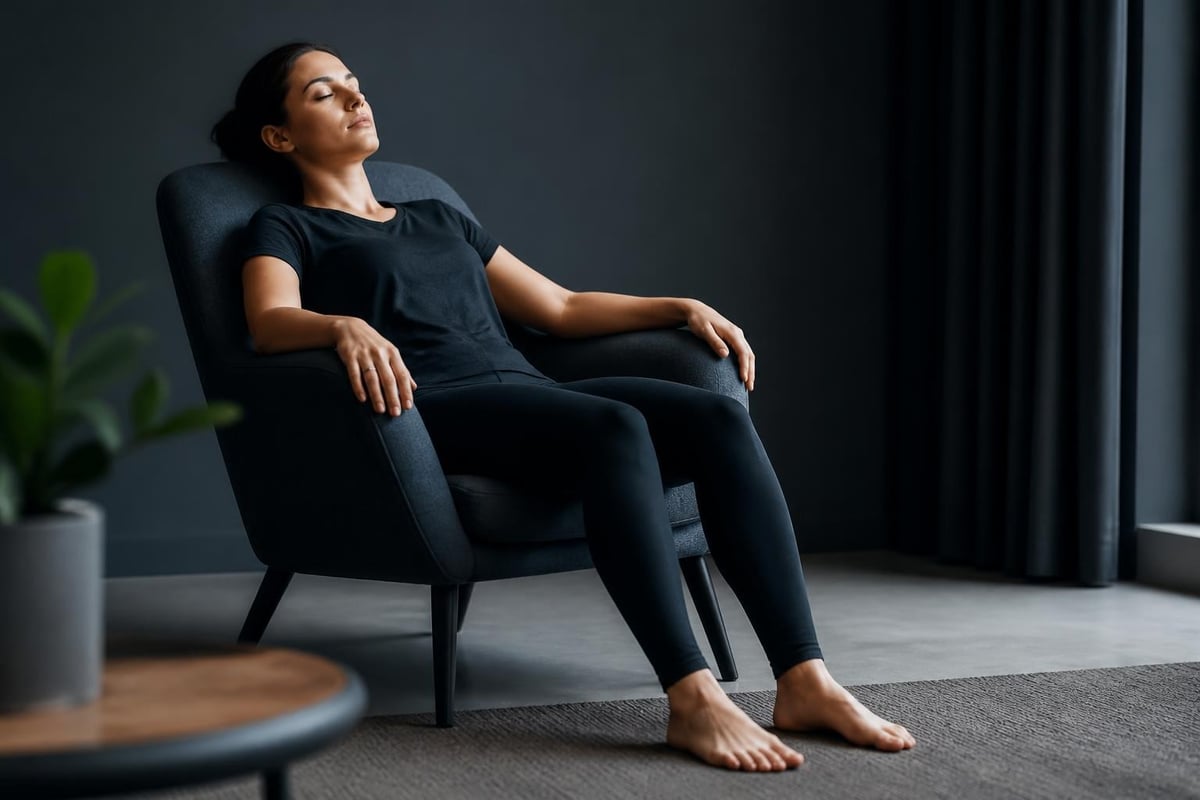
Unlike PMR, body scan meditation involves pure awareness without tension. You mentally travel through your body, observing sensations without judgment or attempts to change them.
This practice develops interoceptive awareness-your ability to perceive internal bodily states accurately. Enhanced interoception correlates with better emotional regulation and reduced anxiety, as you become more skilled at identifying stress signals before they escalate.
Micro-Habits for Sustained Mental Regulation
Dramatic practices deliver immediate results, but lasting change requires daily micro-habits that recalibrate your baseline mental state. These small actions compound over time, gradually reshaping your default neural pathways.
Effective micro-habits to calm your mind include:
- Two-minute morning breathing ritual before checking devices
- Hourly 30-second desk stretches with conscious exhalation
- Single-tasking blocks without multitasking (even 15 minutes)
- Evening technology sunset 30 minutes before bed
- Weekly acoustic environment audit and adjustment
The key lies in consistency rather than intensity. A two-minute daily practice outperforms a 60-minute weekly session because neural pathways strengthen through repetition, not duration.
Attention Anchors Throughout Your Day
Develop specific triggers that signal your nervous system to downshift. These might include:
- The sensation of warm water on your hands when washing
- The first sip of morning coffee or tea
- Stepping through your office door
- Sitting down at your desk
Associate each trigger with three conscious breaths and a brief body scan. Over weeks, these anchors become automatic reset points that help calm your mind without conscious effort.
Cognitive Techniques for Thought Management
Physical practices establish the foundation, but cognitive strategies address the content of mental activity. Rumination-repetitive dwelling on problems without progress toward solutions-represents one of the most common obstacles to mental calm.
Thought labeling provides a simple yet powerful intervention. When you notice circular thinking, mentally label it: "This is rumination" or "This is anxiety speaking." The act of labeling activates your prefrontal cortex, creating distance between you and the thought pattern.
Scheduled worry time paradoxically reduces intrusive anxious thoughts. Designate 15 minutes daily for deliberate worry, writing concerns in a journal. When worries arise outside this window, acknowledge them and defer to your scheduled time. Research on stress management techniques supports this approach for reducing overall anxiety.
The Five-Sense Grounding Exercise
When your mind spirals into future catastrophizing or past regrets, sensory grounding returns you to present reality:
- Identify 5 things you can see
- Identify 4 things you can touch
- Identify 3 things you can hear
- Identify 2 things you can smell
- Identify 1 thing you can taste
This exercise activates your sensory cortex while engaging working memory, interrupting rumination through competing cognitive demands. It becomes particularly valuable during acute stress episodes or panic responses.
Movement Practices for Mental Reset
Physical activity influences neurotransmitter production, but specific movement patterns offer unique benefits for mental regulation. You don't need intense exercise to calm your mind-gentle, rhythmic movement often proves more effective than vigorous workouts for immediate stress reduction.
Walking at a comfortable pace while focusing on the physical sensation of each step combines light aerobic activity with meditative awareness. Research indicates that even 10 minutes of outdoor walking reduces cortisol levels and improves mood more effectively than indoor treadmill exercise at the same intensity.
| Movement Type | Duration | Mental Benefits | Optimal Timing |
|---|---|---|---|
| Slow walking | 10-20 min | Cortisol reduction, clarity | Midday slump |
| Gentle yoga | 15-30 min | Flexibility, body awareness | Morning or evening |
| Qigong | 10-15 min | Energy regulation, balance | Anytime needed |
| Tai chi | 20-30 min | Focus, coordination | Morning practice |
Integrating Movement with Sound
Combining music and meditation during movement creates multisensory engagement that deepens the relaxation response. Select rhythms that match your natural walking pace (approximately 120 beats per minute), allowing your gait to synchronize with the acoustic environment.
This rhythmic entrainment reduces the cognitive load of movement planning, freeing mental resources and creating a flow state that helps calm your mind naturally.
Environmental Design for Cognitive Recovery
Your physical environment either supports or undermines mental regulation attempts. Chronic exposure to cluttered, overstimulating spaces maintains elevated baseline stress even when you're not consciously aware of it.
Essential environmental modifications:
- Reduce visual clutter on work surfaces
- Control lighting (avoid harsh overhead fluorescents)
- Introduce natural elements (plants, natural materials)
- Designate specific zones for different activities
- Manage temperature and air quality
The concept of cognitive offloading explains why environmental organization matters: When your surroundings are chaotic, your brain expends continuous low-level resources tracking and processing sensory input, depleting the mental energy needed to calm your mind.
Creating Transition Zones
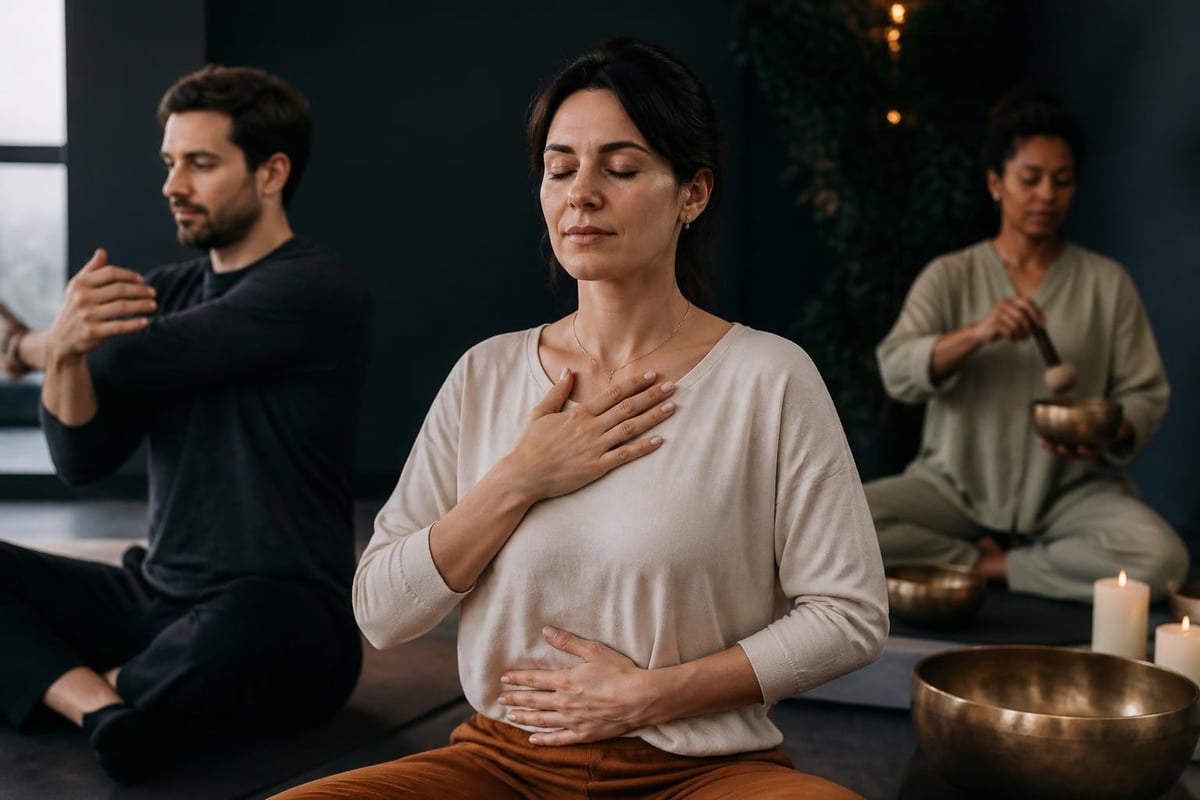
Physical boundaries between work and rest spaces become psychologically powerful when you establish consistent transition rituals. Even in small living spaces, you can designate specific chairs, corners, or areas for different mental states.
Before entering your rest zone, perform a brief transition practice: Remove work items, change clothing, complete three full breath cycles, and consciously shift your attention inward. These signals help your nervous system recognize the state change.
Building a Personalized Practice Framework
Generic advice fails because individual nervous systems respond differently to various techniques. Your optimal practice combines methods that align with your neurological tendencies, lifestyle constraints, and personal preferences.
Begin with experimentation. Test each technique for at least one week, tracking subjective calm ratings and objective measures like sleep quality or focus duration. Understanding brain optimization principles helps you interpret your responses and refine your approach systematically.
Assessment questions for practice selection:
- Do you respond better to active techniques (movement, breathwork) or passive methods (sound therapy, guided relaxation)?
- What time constraints realistically fit your schedule?
- Do you prefer structured protocols or flexible frameworks?
- Are you more motivated by immediate relief or long-term capacity building?
Your answers reveal whether you'll benefit most from intensive short practices or distributed micro-habits, whether you need external guidance or self-directed exploration.
Tracking Progress Without Obsession
Measurement supports improvement, but excessive tracking can create new anxiety. Select 2-3 simple metrics you can assess weekly without elaborate systems:
- Subjective calm rating (1-10 scale) upon waking and before bed
- Number of times you successfully used techniques during stressful moments
- Quality of presence during conversations or focused work
These indicators provide sufficient feedback to guide adjustments without turning mental regulation into another performance metric to optimize anxiously.
Integration with Professional Demands
The ultimate test of any practice is whether it survives contact with real-world demands. Techniques that require perfect conditions or extensive time commitments inevitably fail when deadlines loom or crises emerge.
Build resilience by practicing during both calm and chaotic periods. When you only attempt to calm your mind during low-stress situations, you never develop the capacity to access these states under pressure.
High-pressure adaptations:
- Reduce technique duration rather than skipping entirely
- Use abbreviated versions (single breath cycle instead of ten)
- Practice micro-recoveries between tasks rather than waiting for extended breaks
- Apply techniques immediately when stress signals appear, not after escalation
Professional contexts often provide natural practice opportunities: Before meetings, during commutes, while waiting for calls to connect. These moments accumulate into substantial daily practice time without requiring additional scheduling.
Developing the ability to calm your mind represents a learnable skill set backed by decades of neuroscience research and clinical application. The techniques outlined here-from breathwork and sound therapy to cognitive strategies and environmental design-work synergistically to build lasting mental regulation capacity. When you're ready to accelerate your progress with science-backed tools designed specifically for focus and calm, Freshhh.app combines research-based micro-habits with acoustic environments developed in collaboration with sound therapy experts, creating a comprehensive companion for training your mind toward sustained clarity and reduced stress.