The modern world presents unprecedented challenges to our mental equilibrium. Between constant notifications, information overload, and performance pressures, our minds rarely experience genuine rest. Calming the mind has evolved from a luxury practice to an essential skill for maintaining cognitive health and professional effectiveness. The good news is that neuroscience research has identified specific mechanisms that enable us to shift from states of anxiety and distraction to focused calm-and these mechanisms can be trained systematically through evidence-based approaches.
Understanding the Neuroscience of Mental Calm
The human brain operates through complex networks of electrical signals and chemical messengers. When we experience stress or distraction, our sympathetic nervous system activates, releasing cortisol and adrenaline that prepare us for threat response. This physiological state, while useful for genuine emergencies, becomes problematic when triggered constantly by emails, deadlines, and daily pressures.
Research demonstrates that meditation enhances the brain’s signal-to-noise ratio, effectively improving our ability to distinguish important information from mental clutter. This increased clarity forms the foundation for sustained focus and reduced anxiety.
The Role of Acoustic Environment in Mental States
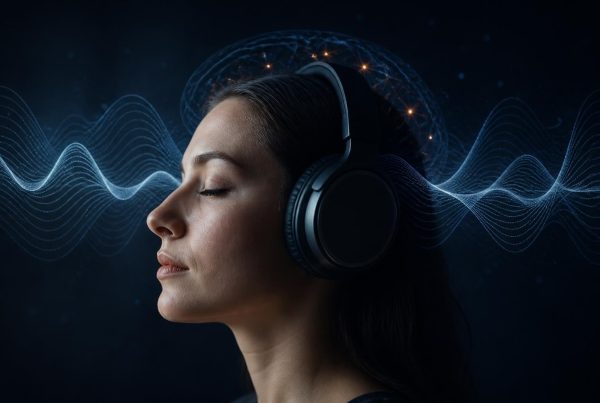
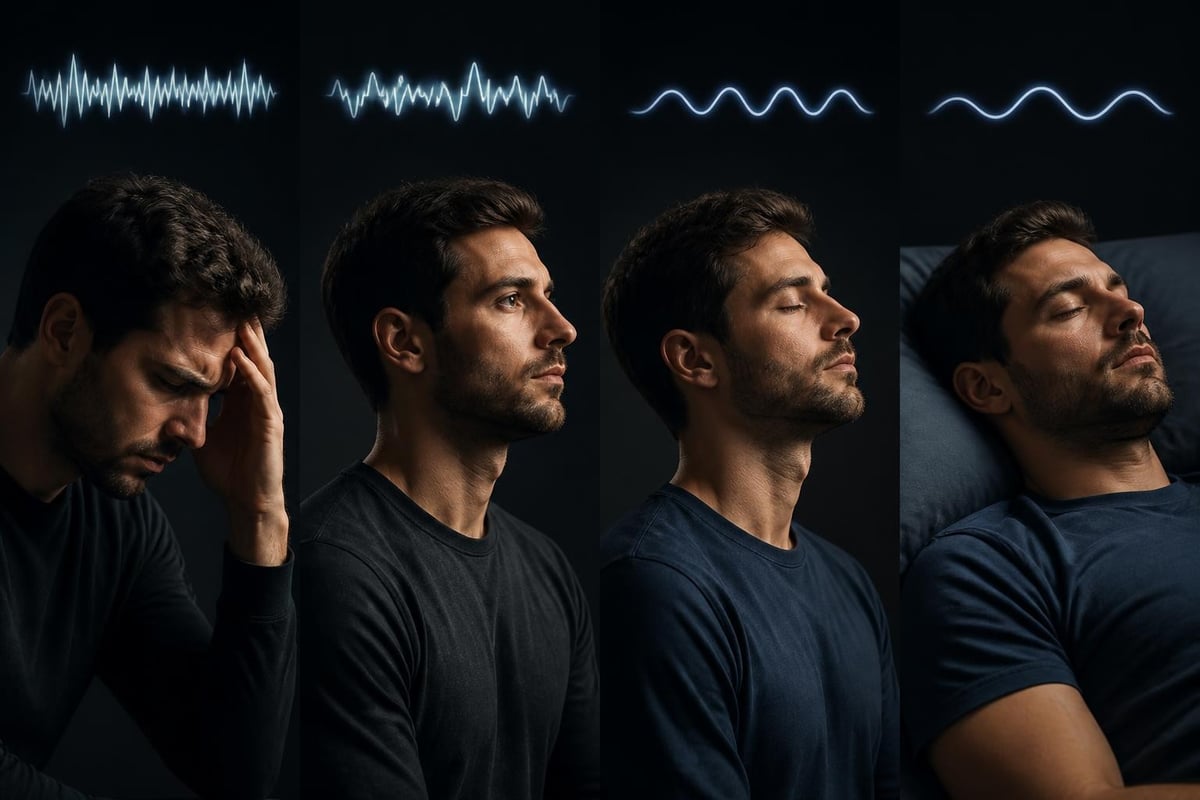
Sound frequencies directly influence brainwave patterns. Different acoustic environments can either exacerbate mental chaos or facilitate transitions into calmer states:
- Beta waves (13-30 Hz): Associated with active thinking and alertness
- Alpha waves (8-13 Hz): Linked to relaxed wakefulness and creative flow
- Theta waves (4-8 Hz): Connected to deep relaxation and meditation
- Delta waves (0.5-4 Hz): Present during deep sleep
When strategically designed, soundscapes can guide the brain toward patterns that support concentration and calmness. This principle underlies therapeutic approaches that combine acoustic research with practical mental training techniques.
Practical Micro-Habits for Daily Mental Regulation
Building mental calm requires more than occasional meditation sessions. Sustainable results come from integrating small, research-backed practices into your daily routine. These micro-habits compound over time, strengthening your capacity for self-regulation.
The 4-7-8 Breathing Protocol
One of the most accessible techniques for calming the mind involves deliberate breath control. The 4-7-8 method activates the parasympathetic nervous system, which counteracts stress responses:
- Inhale quietly through your nose for 4 counts
- Hold your breath for 7 counts
- Exhale completely through your mouth for 8 counts
- Repeat the cycle 3-4 times
This pattern creates a physiological shift that reduces heart rate and blood pressure within minutes. The extended exhale signals safety to your nervous system, allowing mental tension to release naturally.
Progressive Awareness Scanning
Rather than attempting to silence thoughts entirely, effective mental training involves redirecting attention systematically. A progressive body scan moves focus through different physical sensations:
Start at your toes and slowly move attention upward through your feet, ankles, calves, and continuing through your entire body. Notice temperature, pressure, tension, or relaxation in each area. This practice grounds awareness in present-moment physical reality, interrupting cycles of anxious rumination.
According to research on grounding techniques, these exercises provide immediate relief by shifting attention from abstract worries to concrete sensory experiences.
Creating an Environment That Supports Mental Clarity
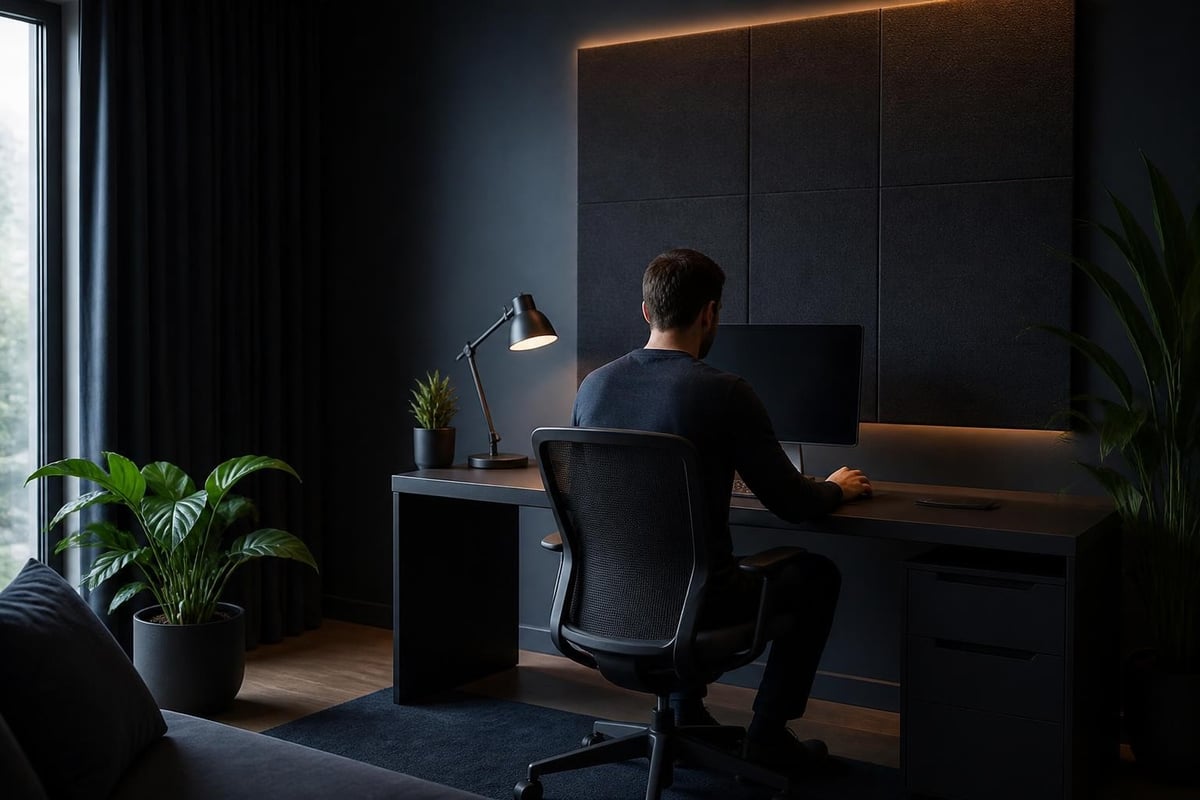
Your physical and acoustic environment significantly influences your mental state. Strategic environmental design reduces the cognitive load required for calming the mind, making focused calm the path of least resistance rather than constant effort.
Acoustic Architecture for Focus
| Environment Type | Sound Characteristics | Mental Impact |
|---|---|---|
| Open office | Unpredictable, variable volume | Increased cortisol, reduced concentration |
| Complete silence | Amplifies internal mental noise | Can intensify anxiety and rumination |
| White noise | Masks distractions uniformly | Moderate focus improvement |
| Structured soundscapes | Research-based frequency patterns | Enhanced focus and reduced stress |
The most effective acoustic environments feature consistent, non-distracting sound patterns that occupy just enough auditory attention to prevent external interruptions while leaving mental bandwidth available for meaningful work. These soundscapes work synergistically with intentional mental practices.
Visual and Physical Optimization
Beyond sound, several environmental factors influence your capacity for mental calm:
Lighting considerations should prioritize natural light exposure during morning hours, which regulates circadian rhythms and improves mood stability throughout the day. When artificial lighting is necessary, warmer color temperatures (2700-3000K) create less visual stress than harsh blue-spectrum light.
Physical organization reduces decision fatigue. When your workspace contains only items relevant to current tasks, your brain expends less energy filtering irrelevant stimuli. This conservation of mental resources makes intentional focus easier to achieve and maintain.
Temperature regulation matters more than most people realize. Research indicates that cognitive performance peaks at approximately 70-72°F (21-22°C). When you feel physically comfortable, fewer neural resources are allocated to monitoring discomfort, leaving more capacity for concentration and calm.
Training Attention Through Structured Practice
Calming the mind isn't just about relaxation-it's about developing control over where your attention goes and how long it stays there. This capacity, often called attentional control, can be strengthened through specific exercises.
Single-Point Focus Training
Choose a specific anchor for your attention: your breath, a sound frequency, or a visual object. Set a timer for three minutes initially. Each time your mind wanders, gently return focus to your chosen anchor without judgment.
The wandering isn't failure-the noticing and returning is the actual training. As experts discuss techniques to calm the mind, they emphasize that strengthening this "mental muscle" through consistent practice yields improvements across all areas requiring sustained attention.
Track your progress by gradually extending duration:
- Week 1-2: Three-minute sessions twice daily
- Week 3-4: Five-minute sessions twice daily
- Week 5-6: Ten-minute sessions once or twice daily
- Week 7+: Fifteen-minute sessions as comfortable
Active Noticing for Nervous System Reset
The concept of active noticing provides quick nervous system relief through deliberate observation. Unlike passive awareness, active noticing involves consciously naming what you observe:
Identify five things you can see, describing each silently with specific detail. Then notice four things you can touch, three things you can hear, two things you can smell, and one thing you can taste. This exercise anchors attention firmly in the present moment, interrupting anxiety loops that project into uncertain futures.
Integrating Sound Therapy with Mental Training
The most sophisticated approach to calming the mind combines multiple evidence-based modalities. Sound therapy provides an acoustic foundation that facilitates other mental practices, while structured attention training builds the skills necessary for sustained calm.
The Science of Therapeutic Soundscapes
Not all background sounds offer equal benefits. Comprehensive neuroimaging studies of meditation reveal that specific acoustic patterns enhance the brain changes associated with meditative states. Effective soundscapes typically incorporate:
- Consistent frequency patterns that don't demand active listening
- Absence of lyrical content that would engage language processing centers
- Natural rhythmic elements that entrain brainwave patterns
- Subtle variation that maintains interest without causing distraction
When combined with intentional mental practices, these soundscapes accelerate the development of calm focus. The acoustic environment does some of the regulatory work automatically, while conscious practices build long-term capacity.
Layering Practices for Compound Benefits
| Practice Layer | Duration | Purpose | Frequency |
|---|---|---|---|
| Base soundscape | Continuous | Maintain optimal acoustic environment | Throughout work sessions |
| Breath awareness | 2-3 minutes | Reset nervous system activation | Every 90-120 minutes |
| Body scanning | 5-7 minutes | Release accumulated physical tension | Mid-day and evening |
| Extended focus | 15-20 minutes | Strengthen attentional control | Once daily |
This layered approach recognizes that calming the mind operates on multiple timescales. Moment-to-moment regulation through breath work provides immediate relief. Daily extended practice builds fundamental capacity. Continuous acoustic support maintains an environment where focused calm is easier to achieve.
Addressing Common Obstacles to Mental Calm
Even with optimal techniques and environment, specific challenges frequently disrupt efforts at calming the mind. Understanding these obstacles and having targeted strategies prepares you to maintain practice consistency.
Managing Intrusive Thoughts
The instruction to "clear your mind" often backfires because attempting to suppress thoughts paradoxically increases their frequency. Instead, treat thoughts like clouds passing through the sky of your awareness. Notice them, acknowledge their presence, and let them continue moving without engaging their content.
When particularly persistent thoughts arise, try Cleveland Clinic’s anxiety-calming techniques, which include labeling the thought explicitly ("I'm having the thought that…") to create psychological distance from its content.
Overcoming Restlessness
Physical restlessness often signals that your body needs movement before settling into stillness. Brief exercise-even 60 seconds of jumping jacks or a quick walk-can discharge excess energy that otherwise manifests as mental agitation.
For those who find seated stillness particularly challenging, moving meditation offers an alternative:
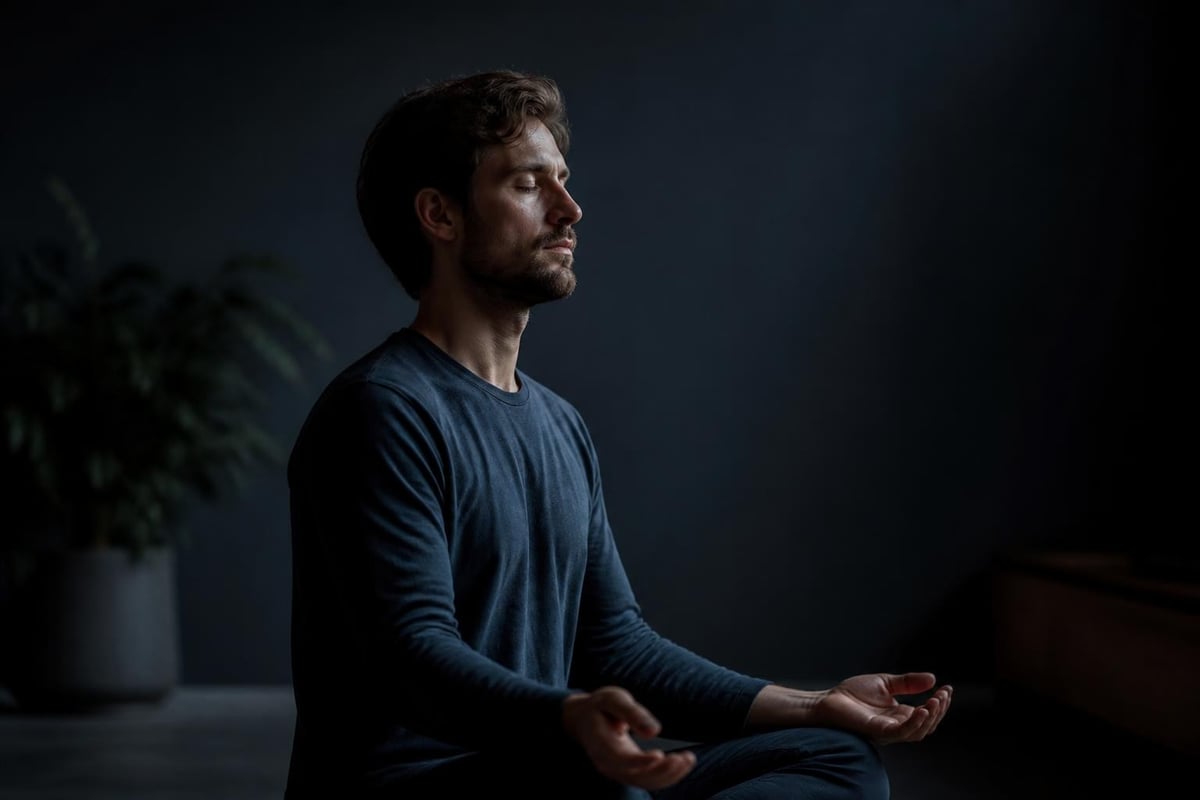
Walking meditation involves slow, deliberate steps with attention focused on the physical sensations of each movement. This practice develops the same attentional control as seated meditation while accommodating the need for physical activity.
Progressive muscle relaxation systematically tenses and releases muscle groups, providing both physical movement and deep relaxation. Starting with your feet, tense muscles for 5 seconds, then release and notice the sensation of relaxation for 10 seconds before moving to the next muscle group.
Building Sustainable Mental Fitness
The ultimate goal isn't achieving perfect calm in isolated practice sessions-it's developing mental resilience that persists through real-world challenges. This requires viewing calming the mind as an ongoing fitness practice rather than a temporary fix.
Tracking Progress Meaningfully
Subjective assessments of mental state can be unreliable. Implement objective tracking methods:
- Task completion rates: Monitor how many intended tasks you complete during focus sessions
- Distraction frequency: Count how many times you reach for your phone or check email during work blocks
- Recovery speed: Notice how quickly you return to calm after disruptions
- Session consistency: Track whether you maintain your practice schedule across weeks
These metrics reveal actual improvements in functional capacity rather than just momentary feelings of relaxation. Real progress means maintaining focus and calm during challenging situations, not just during optimal conditions.
Adapting Practices to Life Phases
Your mental training needs vary across different life circumstances. During high-stress periods, prioritize shorter, more frequent practices that provide immediate nervous system regulation. When life is relatively stable, invest in longer sessions that build deeper capacity.
The key is maintaining some form of practice consistently rather than abandoning it completely when challenges arise. Even strategic approaches to managing daily anxiety acknowledge that consistency matters more than intensity for long-term benefits.
Creating Supportive Accountability
Mental training often feels invisible to others, making it easy to deprioritize. Build accountability through:
Time blocking specific periods for practice in your calendar, treating them as unmovable appointments. Practice partnerships with colleagues or friends who share similar goals create mutual encouragement. Environmental cues like dedicated spaces or specific sounds that signal practice time strengthen habit formation.
When you invest in tools and resources specifically designed to support mental training-whether apps, acoustic equipment, or educational materials-you demonstrate commitment that reinforces continued practice.
The Future of Mental Training Technology
As neuroscience research advances, our understanding of calming the mind continues evolving. Emerging technologies offer increasingly sophisticated support for mental development.
Personalized Acoustic Optimization
Generic relaxation playlists are giving way to adaptive soundscapes that respond to real-time biometric data. These systems adjust frequency patterns, volume, and acoustic characteristics based on your current physiological state, optimizing for your specific nervous system responses rather than applying one-size-fits-all solutions.
The most effective platforms combine these technological advances with educational content that builds genuine understanding. Rather than creating passive dependence on external tools, they cultivate active skills and awareness that transfer across contexts.
Integration with Existing Workflows
The barrier to mental training often lies in viewing it as separate from productive work. Innovative approaches integrate calming practices directly into work sessions through:
- Timed focus blocks that include built-in micro-practices
- Acoustic environments that automatically optimize for different work modes
- Guided transitions between tasks that incorporate brief regulatory practices
- Progress dashboards that connect mental training metrics to work outcomes
This integration transforms mental fitness from an additional obligation into an embedded component of effective work itself. Platforms like Freshhh.app exemplify this approach by combining research-backed soundscapes with practical training that builds lasting capacity rather than temporary relief.
Calming the mind represents a trainable skill that compounds through consistent practice, strategic environmental design, and evidence-based techniques. The combination of acoustic optimization, attention training, and micro-habit integration creates sustainable improvements in focus and stress management. Whether you're just beginning to explore mental training or looking to deepen an existing practice, Freshhh.app offers a science-backed system that helps you develop genuine mental fitness through structured soundscapes and practical techniques designed for real-world application.