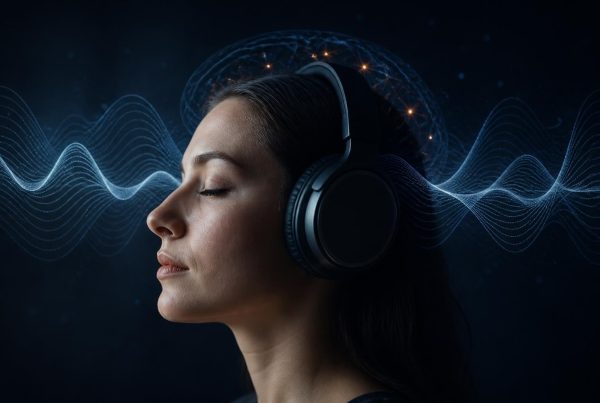
The ability to engage in deep study has become increasingly rare in our distraction-filled world. While most people understand the value of focused learning, few realize that sound therapy offers a scientifically supported pathway to achieving the mental state required for genuine comprehension and retention. By deliberately using acoustic environments designed to support cognitive function, learners can train their minds to enter and sustain the concentration necessary for meaningful intellectual work.
Understanding Deep Study and Cognitive Engagement
Deep study represents more than simply reading or reviewing material for extended periods. It involves active cognitive processing, where the mind forms connections, questions assumptions, and integrates new information with existing knowledge structures. This type of learning stands in direct contrast to surface-level approaches that prioritize memorization without understanding.
Research has consistently demonstrated that deep learning strategies promote superior conceptual knowledge acquisition, particularly when compared to passive or superficial engagement with material. The difference lies in how the brain processes and stores information during focused learning sessions.
Key characteristics of deep study include:
- Active questioning and critical analysis of material
- Connection-making between new and existing knowledge
- Extended periods of sustained attention
- Metacognitive awareness of understanding gaps
- Intrinsic motivation to master content
The Neuroscience Behind Focused Learning States
When you engage in deep study, your brain exhibits specific patterns of neural activity. The prefrontal cortex, responsible for executive function and attention control, shows heightened activation. Simultaneously, the default mode network, which typically activates during mind-wandering, becomes suppressed.
Sound therapy can facilitate this transition by providing acoustic anchors that help maintain attentional focus. Specific frequencies and rhythmic patterns interact with brainwave activity, supporting the cognitive state necessary for sustained concentration.

How Sound Therapy Activates Deep Study Focus
The relationship between acoustic environments and cognitive performance has been extensively researched. Sound therapy works by creating an auditory landscape that minimizes distractions while simultaneously supporting the brain's natural rhythms associated with concentration and learning.
Frequency Optimization for Cognitive Performance
Different sound frequencies influence brain activity in measurable ways. Binaural beats, isochronic tones, and carefully designed soundscapes can encourage the brain to enter states associated with focused attention and deep study.
| Frequency Range | Brain State | Deep Study Application |
|---|---|---|
| 8-13 Hz (Alpha) | Relaxed alertness | Reducing anxiety before study sessions |
| 13-30 Hz (Beta) | Active concentration | Maintaining focus during complex tasks |
| 4-8 Hz (Theta) | Deep relaxation | Consolidating learned material |
When implementing brain optimization techniques, understanding these frequency relationships allows you to select appropriate soundscapes for different phases of your learning process.
Creating Acoustic Environments That Support Learning
The environment in which you study significantly impacts your ability to maintain deep study focus. Sound therapy allows you to construct an acoustic space that shields you from environmental distractions while providing gentle, consistent auditory input that supports sustained attention.
White noise, pink noise, and brown noise each offer distinct benefits for concentration. White noise masks sudden environmental sounds that might break focus. Pink noise provides a more balanced frequency distribution that many find less fatiguing during extended sessions. Brown noise offers deeper tones that can promote a sense of grounded calm.
Beyond basic noise types, structured soundscapes incorporating natural elements like flowing water, gentle rain, or forest ambience engage the brain's evolved response mechanisms. These sounds trigger parasympathetic nervous system activation, which reduces stress hormones that interfere with cognitive function.
Evidence-Based Strategies for Deep Study Enhancement
Scientific research on effective learning strategies has identified several approaches that complement sound therapy to maximize deep study outcomes. These techniques work synergistically with optimized acoustic environments.
Active Retrieval and Testing Effects
One powerful method involves regularly testing yourself on material rather than simply rereading it. This active retrieval strengthens neural pathways and reveals understanding gaps. Research on the forward testing effect demonstrates how interim assessment enhances subsequent learning and long-term retention.
When combined with sound therapy, retrieval practice becomes more effective because the acoustic environment reduces cognitive load from external distractions, allowing fuller mental resources to focus on recall and reconstruction of knowledge.
- Begin your session by activating your chosen soundscape before engaging with material
- Study content actively for 25-30 minutes with full concentration
- Test yourself without looking at notes, maintaining the same acoustic environment
- Review and correct any errors or gaps in understanding
- Take brief breaks while adjusting sound therapy to more relaxing frequencies
Slow Reading and Deep Processing
Rushing through material undermines deep study by preventing the cognitive processing necessary for genuine comprehension. Slow reading techniques enhance deep learning by creating space for personal engagement and meaning-making.
Sound therapy supports slower, more deliberate reading by creating a temporal container for your attention. The consistent auditory environment signals to your brain that this is protected time for focused work, reducing the urgency to rush through material.

Practical Implementation of Sound Therapy for Deep Study
Translating theoretical understanding into practical application requires deliberate planning and experimentation. Not every sound frequency or type works equally well for all individuals or all types of cognitive tasks.
Matching Soundscapes to Study Tasks
Different academic or professional learning activities demand varying cognitive resources. Reading dense theoretical material requires different mental states than solving mathematical problems or memorizing factual information.
For analytical and critical thinking tasks:
- Beta frequency ranges (13-30 Hz) to maintain alert focus
- Minimal melodic complexity to avoid engaging language processing centers
- Consistent volume levels to prevent attention shifts
For creative synthesis and problem-solving:
- Lower alpha frequencies (8-10 Hz) for relaxed yet focused states
- More varied soundscapes that can stimulate associative thinking
- Natural sounds that encourage divergent thought patterns
For memory consolidation and review:
- Theta-alpha border frequencies (7-9 Hz)
- Slower rhythmic patterns that support information integration
- Gentler volumes that reduce cognitive strain
Building Consistent Study Rituals
Consistency amplifies the benefits of sound therapy for deep study. When you regularly pair specific soundscapes with focused learning, your brain begins forming conditioned responses. The acoustic environment itself becomes a trigger for entering concentrated mental states.
| Time of Day | Study Type | Recommended Sound Approach | Duration |
|---|---|---|---|
| Morning | New material acquisition | Higher beta frequencies, nature sounds | 45-90 min |
| Afternoon | Review and practice | Mid-range alpha-beta, consistent tones | 30-60 min |
| Evening | Reflection and synthesis | Lower alpha frequencies, minimal complexity | 20-45 min |
Methods to calm your mind before study sessions can prevent residual stress or anxiety from interfering with deep study focus. A brief five-minute period with calming soundscapes helps transition from daily activities into learning mode.
Addressing Common Obstacles to Deep Study
Even with optimal acoustic environments, several barriers can prevent achieving true deep study states. Recognizing and addressing these challenges ensures more consistent results.
Digital Distractions and Attention Fragmentation
Modern devices constantly compete for attention, making sustained focus increasingly difficult. Sound therapy provides an attention anchor, but it must be paired with deliberate digital boundaries.
Before beginning deep study sessions:
- Place devices in airplane mode or use dedicated focus applications
- Close unnecessary browser tabs and applications
- Inform others of your unavailability during study blocks
- Use sound therapy apps that don't require constant interaction
The acoustic environment serves as both a reminder of your intention to focus and a gentle competitor to the pull of digital distractions. When your attention wanders toward checking devices, the consistent soundscape can serve as a cue to return to your learning material.
Mental Fatigue and Cognitive Depletion
Deep study requires significant cognitive resources. Without proper management of mental energy, even optimal sound therapy cannot sustain focus through exhaustion.
Strategic approaches include:
- Scheduling demanding deep study during peak cognitive hours
- Limiting initial sessions to 25-30 minutes before gradually extending
- Alternating between different types of cognitive tasks
- Taking movement breaks while maintaining acoustic environments
- Adjusting sound therapy intensity based on energy levels
Understanding deep-level versus surface-level processing helps recognize when mental fatigue is pushing you toward superficial engagement. Sound therapy can help maintain focus, but it cannot replace adequate rest and recovery.

Advanced Sound Therapy Techniques for Learning
Beyond basic implementation, sophisticated approaches to sound therapy can further enhance deep study capabilities. These methods require experimentation to discover what works best for your unique cognitive patterns.
Layered Soundscape Construction
Rather than relying on single sound sources, layering multiple acoustic elements can create richer environments that support various aspects of deep study. Combining a foundational frequency (like brown noise) with subtle natural sounds (such as distant thunder or gentle waves) provides both masking and engagement.
The key lies in balance. Too many sonic elements become distracting; too few may fail to fully engage the auditory system in supporting focus. Start with minimal layers and add complexity based on how well you maintain concentration.
Progressive Acoustic Transitions
Your cognitive state shifts throughout extended study sessions. Matching sound therapy to these natural transitions can help sustain deep study focus across longer periods.
Begin with slightly more stimulating frequencies to overcome initial resistance and activate focus. After 20-30 minutes, transition to more neutral soundscapes that support sustained attention without overstimulation. During review phases or when consolidating learned material, shift toward more relaxing acoustic environments.
These transitions should be gradual and subtle. Abrupt changes in sound can break concentration as effectively as sudden silence or unexpected noise.
Personalized Frequency Response
Individual neurological differences mean that optimal frequencies for deep study vary between people. What promotes focus for one learner might induce sleepiness or agitation in another.
Systematic experimentation helps identify your personal response patterns:
- Track which soundscapes correspond with your most productive deep study sessions
- Note energy levels, comprehension, and retention across different acoustic environments
- Adjust frequency ranges incrementally to find optimal ranges
- Consider how factors like sleep quality and stress levels interact with sound therapy effectiveness
- Refine your approach based on accumulated data
Integrating Sound Therapy Into Learning Systems
Sustainable deep study practices require integration into broader learning and productivity systems. Sound therapy works best when it complements rather than replaces other evidence-based approaches.
Complementary Focus Techniques
Combining sound therapy with additional concentration methods creates synergistic effects. The Pomodoro Technique, which structures work into focused intervals with breaks, aligns naturally with acoustic environment management. Each focused period maintains consistent soundscapes, while breaks can shift to more restorative frequencies.
Mindfulness practices before study sessions prepare the mind for deep work. Even brief meditation or breathing exercises, conducted within calming sound environments, establish the mental clarity needed for sustained focus.
Research on teaching methods and deep learning emphasizes that environmental factors significantly influence learning outcomes. Sound therapy represents one controllable variable that learners can optimize regardless of institutional or organizational constraints.
Long-Term Skill Development
Deep study is not merely a technique but a developable skill that improves with practice. Sound therapy accelerates this development by reducing the friction associated with entering focused states.
As you consistently pair acoustic environments with focused learning, several adaptations occur:
- Faster transitions into deep study states
- Extended sustainable focus periods
- Reduced vulnerability to environmental distractions
- Greater metacognitive awareness during learning
- Enhanced enjoyment of challenging intellectual work
These benefits compound over months and years of consistent practice, transforming not just study effectiveness but your overall relationship with learning and cognitive challenge.
Deep study represents a learnable skill that sound therapy can significantly enhance through deliberate acoustic environment design and consistent practice. By understanding how specific frequencies support concentration and pairing evidence-based learning strategies with optimized soundscapes, you can dramatically improve both the quality and sustainability of your focused learning sessions. Freshhh.app combines research-backed sound therapy with practical focus-building techniques to help you develop the deep study capabilities that complex learning demands, offering more than passive background noise but rather an active training system for sustained concentration and mental clarity.