
In today's hyperconnected world, achieving a state of focus calm has become increasingly challenging yet more essential than ever. The concept of focus calm represents the intersection of sustained attention and mental tranquility, a state where your mind remains alert and engaged without the burden of anxiety or distraction. Research shows that this balanced mental state isn't just a luxury for meditation practitioners or productivity enthusiasts-it's a fundamental skill that anyone can develop through consistent practice and the right approach. Understanding how to cultivate focus calm requires examining both the neuroscience behind attention and the practical techniques that support mental clarity.
Understanding the Neuroscience Behind Focus Calm
The human brain operates through complex networks of neurons that handle different cognitive functions simultaneously. When you achieve focus calm, you're essentially coordinating multiple neural systems to work in harmony. The prefrontal cortex, responsible for executive function and attention, needs to activate while the amygdala, which triggers stress responses, remains regulated.
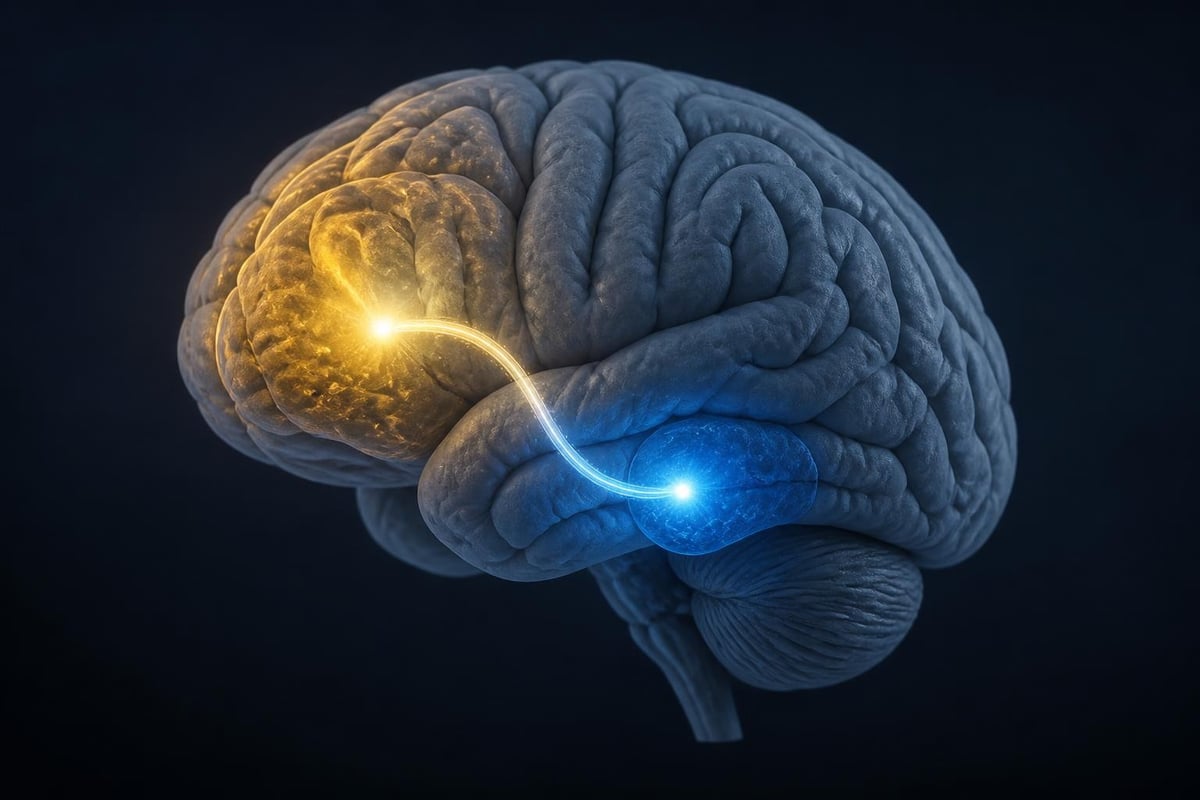
Studies on focused attention meditation reveal distinct changes in brain activity patterns associated with sustained concentration. These neurophysiological mechanisms demonstrate that focus calm isn't merely a subjective feeling but a measurable state of brain function. The default mode network, which activates during mind-wandering, shows decreased activity during focused states, while attention networks demonstrate enhanced connectivity.
Key Brain Regions Involved in Mental Clarity
Different brain structures contribute to maintaining focus calm throughout daily activities:
- Anterior cingulate cortex: Monitors conflict and errors, helping you stay on task
- Dorsolateral prefrontal cortex: Maintains working memory and executive control
- Insular cortex: Processes interoceptive awareness and emotional regulation
- Parietal lobe: Directs and sustains attention toward relevant stimuli
These regions don't work in isolation. They form integrated networks that communicate through synchronized electrical patterns, creating the foundation for sustained mental clarity. When these networks function optimally, you experience the hallmark characteristics of focus calm: alertness without tension, engagement without exhaustion.
Practical Techniques for Developing Focus Calm
Building focus calm requires more than understanding theory. It demands practical application of evidence-based techniques that train your mind systematically. The most effective approaches combine attention training with nervous system regulation.
Breathing Exercises for Mental Balance
Controlled breathing serves as one of the most accessible tools for achieving focus calm. Your respiratory rate directly influences your autonomic nervous system, which governs stress responses. Breathing exercises designed to reduce stress leverage this connection to create physiological shifts that support mental clarity.
Box breathing involves four equal phases:
- Inhale for four counts
- Hold for four counts
- Exhale for four counts
- Hold for four counts
This technique balances oxygen and carbon dioxide levels while activating the parasympathetic nervous system. The rhythmic pattern gives your mind a focal point, preventing distraction while simultaneously reducing physiological arousal.
The physiological sigh offers another powerful approach. This method, consisting of two quick inhales through the nose followed by a long exhale through the mouth, rapidly reduces stress markers in the body. When you need to reset quickly during demanding work, this technique delivers immediate results.
| Breathing Technique | Duration | Primary Benefit | Best Used When |
|---|---|---|---|
| Box Breathing | 4-4-4-4 count | Sustained calm | Before focused work |
| Physiological Sigh | 2 inhales, long exhale | Rapid stress relief | During overwhelm |
| 4-7-8 Breathing | 4-7-8 count | Deep relaxation | Transitioning tasks |
| Coherent Breathing | 5-6 breaths/min | Heart rate variability | Daily practice |
Meditation Approaches for Focus Calm
Research comparing meditation techniques indicates that different practices offer distinct benefits for achieving focus calm. Mantra meditation, breath awareness, and external-point meditation each activate unique neural pathways while promoting mental stillness.
Mantra meditation uses repetitive sounds or phrases to anchor attention. The rhythmic repetition creates a stable focal point that prevents mind-wandering while maintaining a relaxed state. This approach works particularly well for individuals who find silence challenging or whose minds generate constant internal dialogue.
Breath-focused meditation directs awareness to the natural rhythm of breathing without attempting to control it. This practice develops metacognitive awareness-the ability to observe your thoughts without getting caught in them. Over weeks of consistent practice, breath meditation strengthens the neural circuits responsible for sustained attention.
External-point meditation involves maintaining visual focus on a specific object or point. This technique directly trains the oculomotor system and visual attention networks, building the capacity for prolonged concentration. Many practitioners find this approach more accessible than purely internal focus methods.
Sound Therapy and Acoustic Environment Design
Your auditory environment profoundly impacts your ability to maintain focus calm. Random, unpredictable sounds trigger orienting responses that pull attention away from tasks, while certain acoustic patterns can support sustained concentration and reduced stress.
The Science of Soundscapes for Mental Performance
Strategic use of sound therapy doesn't mean simply playing background noise. It involves carefully designed soundscapes that enhance deep focus through specific acoustic properties. Frequency composition, spatial characteristics, and temporal patterns all influence how sound affects cognitive function.
Pink noise contains equal energy per octave, creating a balanced spectrum that masks distracting environmental sounds without demanding attention itself. Research indicates that pink noise can improve sleep quality and memory consolidation, making it valuable for recovery periods between focused work sessions.
Binaural beats present slightly different frequencies to each ear, creating a perceived beat at the frequency difference. When properly calibrated, these can guide brainwave activity toward states associated with focus calm. Alpha frequencies (8-13 Hz) correlate with relaxed alertness, while beta frequencies (13-30 Hz) support active concentration.

Nature sounds engage attention through fractal patterns-self-similar structures that repeat at different scales. Ocean waves, rainfall, and rustling leaves contain these patterns, which the brain processes efficiently without triggering constant orienting responses. This allows nature sounds to mask distractions while supporting relaxation.
Micro-Habits for Integrating Sound Therapy
Developing focus calm through sound requires consistent integration rather than sporadic use. Small, repeatable habits create lasting changes in how your nervous system responds to acoustic stimuli.
- Morning calibration: Begin each day with five minutes of intentional sound exposure to set your baseline arousal level
- Transition rituals: Use specific soundscapes to signal shifts between different work modes
- Recovery periods: Implement brief sound-supported breaks every 90 minutes to prevent mental fatigue
- Evening wind-down: Create an acoustic routine that prepares your mind for rest
These micro-habits work because they leverage temporal association. Your brain learns to connect specific sounds with particular mental states, making it progressively easier to access focus calm on demand. The key is consistency-practicing daily at similar times strengthens these neural associations.
Physical Practices That Support Mental Clarity
Focus calm isn't purely a mental phenomenon. Your physical state directly influences cognitive performance and emotional regulation. Movement, posture, and somatic awareness all contribute to your capacity for sustained attention.
Movement for Cognitive Function
Effective strategies to calm down often include physical activity because movement regulates nervous system arousal while promoting neurotransmitter production. Brief exercise breaks enhance focus calm by clearing mental cobwebs and reducing accumulated stress.
Walking meditation combines physical movement with attention training. By synchronizing your awareness with each step, you practice the same mental skills required for desk-based concentration while giving your body needed movement. Even five minutes of mindful walking can reset your cognitive state.
Desk-based movement sequences prevent the physical tension that undermines focus calm. Simple practices like shoulder rolls, neck stretches, and spinal twists counteract the postural stress of prolonged sitting. When your body feels comfortable, your mind can more easily maintain calm alertness.
Progressive Muscle Relaxation for Mental Reset
This systematic technique involves tensing and releasing muscle groups sequentially, creating awareness of the difference between tension and relaxation. The practice serves dual purposes: it reduces physical stress that interferes with concentration while training your attention to scan systematically through body regions.
Start with your feet and progress upward through calves, thighs, abdomen, hands, arms, shoulders, neck, and face. Tense each area for five seconds, then release for 10 seconds while noticing the sensation of letting go. This creates a full-body reset that supports focus calm for subsequent work periods.
Cognitive Frameworks for Sustained Attention
Beyond specific techniques, developing focus calm requires understanding how attention operates and what undermines it. Your cognitive architecture has evolved over millions of years to balance exploration and exploitation-scanning for threats while pursuing goals.
Attention Residue and Task Switching
When you switch between tasks, fragments of attention remain anchored to the previous activity. This "attention residue" reduces performance on the new task and undermines focus calm. The more complex or unfinished the previous task, the more residue persists.
Mitigating attention residue requires deliberate transitions. Before shifting focus, spend 30 seconds reviewing what you've completed and identifying a clear stopping point. This cognitive closure reduces residue and allows you to bring fuller attention to the next activity. Brain optimization strategies emphasize these transition protocols as essential for maintaining mental clarity throughout the day.
The Role of Metacognition in Focus Calm
Metacognition-thinking about thinking-enables you to monitor your mental state and adjust accordingly. When you notice attention wavering, metacognitive awareness allows you to implement corrective strategies before completely losing focus. This self-monitoring capacity distinguishes beginners from experienced practitioners.
Developing metacognition requires regular practice observing your mental patterns without judgment. Notice when focus narrows or broadens, when calm gives way to agitation, when clarity clouds into confusion. These observations build the awareness necessary for maintaining focus calm under varying conditions.
Environmental Optimization for Mental Performance
Your physical environment shapes your mental state through countless micro-influences. Temperature, lighting, air quality, visual clutter, and spatial organization all impact your capacity for focus calm.
Visual Environment Design
The human visual system processes enormous amounts of information, consuming significant cognitive resources. Strategic environmental design reduces this processing load, freeing mental capacity for intentional focus.
Minimize visual clutter: Each object in your peripheral vision triggers subtle attentional pulls. Reduce desk items to essentials, use closed storage, and maintain clean surfaces. This simplification doesn't just look better-it measurably reduces cognitive load.
Optimize lighting: Harsh overhead lighting creates eye strain and fatigue, while dim lighting triggers drowsiness. Natural light supports focus calm best, but when unavailable, task lighting positioned to prevent glare offers the next best option. Color temperature matters too-cooler tones promote alertness, while warmer tones support relaxation.
Create visual boundaries: Open office environments constantly bombard attention with movement and activity. When possible, position your workspace to face a wall rather than high-traffic areas. If this isn't feasible, plants or dividers create psychological boundaries that support sustained concentration.

Temperature and Air Quality Considerations
Thermal discomfort silently erodes focus calm by creating persistent low-level distraction. Most people perform cognitive tasks best between 68-72°F, though individual preferences vary. Experiment to find your optimal range, then maintain it consistently during focused work.
Air quality affects mental performance through oxygen availability and volatile organic compound exposure. Regular ventilation, air filtration, and introducing plants all contribute to better cognitive function. When air quality is poor, even well-developed focus calm skills become difficult to maintain.
Nutrition and Hydration for Cognitive Stability
What you consume directly influences neurotransmitter production, blood sugar stability, and cellular energy-all foundations of focus calm. Strategic nutrition supports sustained mental performance without the crashes that undermine concentration.
Macronutrient Balance for Steady Energy
Blood sugar fluctuations create corresponding shifts in mental state. Rapid spikes followed by crashes make focus calm nearly impossible. Balanced meals combining protein, healthy fats, and complex carbohydrates provide steady energy that supports sustained attention.
Protein supplies amino acids for neurotransmitter synthesis. Tyrosine converts to dopamine and norepinephrine, which support motivation and alertness. Tryptophan produces serotonin, promoting calm mood. Including quality protein with each meal stabilizes cognitive function throughout the day.
Healthy fats provide structural components for brain cells and support the absorption of fat-soluble vitamins essential for neurological function. Omega-3 fatty acids, particularly EPA and DHA, reduce neuroinflammation and enhance membrane fluidity, improving signal transmission between neurons.
Complex carbohydrates deliver glucose-the brain's primary fuel-at a controlled rate. This steady supply prevents the energy crashes associated with simple sugars while supporting the sustained metabolic demands of concentration.
Hydration's Impact on Mental Clarity
Even mild dehydration impairs cognitive performance, particularly attention and working memory. The brain is approximately 75% water, and cellular processes depend on adequate hydration. Techniques to manage stress and maintain calm often overlook hydration, yet it represents one of the simplest interventions for supporting focus calm.
Aim for consistent fluid intake throughout the day rather than large volumes at once. Keep water readily accessible during focused work to maintain hydration without creating disruptive bathroom breaks. Herbal teas count toward fluid intake while providing the ritual element that supports mental state transitions.
Integrating Technology Mindfully
Digital tools can either support or sabotage focus calm depending on how you deploy them. The same devices that enable productivity often generate the notifications and distractions that fragment attention. Strategic technology use requires intentional boundaries and purpose-driven engagement.
Notification Management
Each notification triggers an orienting response, pulling attention away from current tasks. Even when you resist checking immediately, the interruption creates attention residue. Aggressive notification management is essential for maintaining focus calm.
Disable all non-essential notifications during focused work periods. Critical communications can use alternative channels with higher thresholds. Most notifications fail the true urgency test-they can wait hours without consequence. This isn't about being unavailable; it's about being available to your chosen priorities.
Using Technology to Support Focus Calm
While technology creates challenges, it also offers tools that enhance mental performance. Music and meditation platforms provide structured support for developing focus calm through guided practices and acoustic environments optimized for concentration.
Smart use of technology includes timer apps that implement the Pomodoro Technique or similar focused work intervals, ambient sound generators that mask environmental distractions, and meditation apps that provide progressive skill development. The key is using technology intentionally rather than reactively-choosing tools that serve your goals rather than hijacking your attention.
Building Sustainable Focus Calm Practices
Developing genuine focus calm requires viewing it as a long-term skill rather than a quick fix. Like physical fitness, mental fitness develops through consistent practice over weeks and months. The most effective approach combines daily micro-practices with periodic deeper sessions.
Progressive Skill Development
Start with achievable targets that build confidence and momentum. Five minutes of daily breathing practice outperforms sporadic 30-minute sessions. Once five minutes becomes automatic, gradually extend duration or add complexity.
| Week | Daily Practice | Duration | Focus Area |
|---|---|---|---|
| 1-2 | Box breathing | 5 minutes | Technique mastery |
| 3-4 | Breath meditation | 8 minutes | Sustained attention |
| 5-6 | Sound + breath | 10 minutes | Multi-modal focus |
| 7-8 | Full practice | 15 minutes | Integration |
This progressive approach builds neural pathways systematically while preventing the overwhelm that leads to abandoning practices entirely. Each increment strengthens your capacity for focus calm without requiring dramatic lifestyle changes.
Tracking and Adjusting Your Approach
Objective feedback accelerates skill development by revealing what works for your unique nervous system. Simple tracking-rating your focus calm on a 1-10 scale after practice sessions-provides data that guides refinement.
Notice patterns in what supports or undermines your mental clarity. Does morning practice yield better results than evening? Do certain soundscapes enhance focus more effectively? Does protein-rich breakfast correlate with sustained afternoon concentration? This self-experimentation personalizes general principles to your specific context.
Achieving focus calm represents a learnable skill that combines neuroscience-backed techniques with consistent practice and environmental optimization. By integrating breathing exercises, strategic sound therapy, movement practices, and mindful technology use, you can develop the mental clarity that supports both productivity and wellbeing. Freshhh.app provides science-backed tools and guidance for this journey, combining research-based tips with acoustic environments designed to support your focus calm development. Start building these skills today to experience the sustained attention and reduced stress that transform both work and life.