Sleep challenges affect millions of people worldwide, with nearly one-third of adults reporting difficulty falling or staying asleep. As pharmaceutical solutions come with potential side effects and dependency risks, many individuals turn to natural alternatives like sound therapy. Heavy rain and thunder sounds for sleeping have emerged as particularly effective tools, backed by acoustic research and sleep science. These soundscapes tap into evolutionary responses and neurological patterns that promote relaxation, making them powerful allies in your quest for restorative rest.
The Science Behind Rain and Thunder for Sleep Enhancement
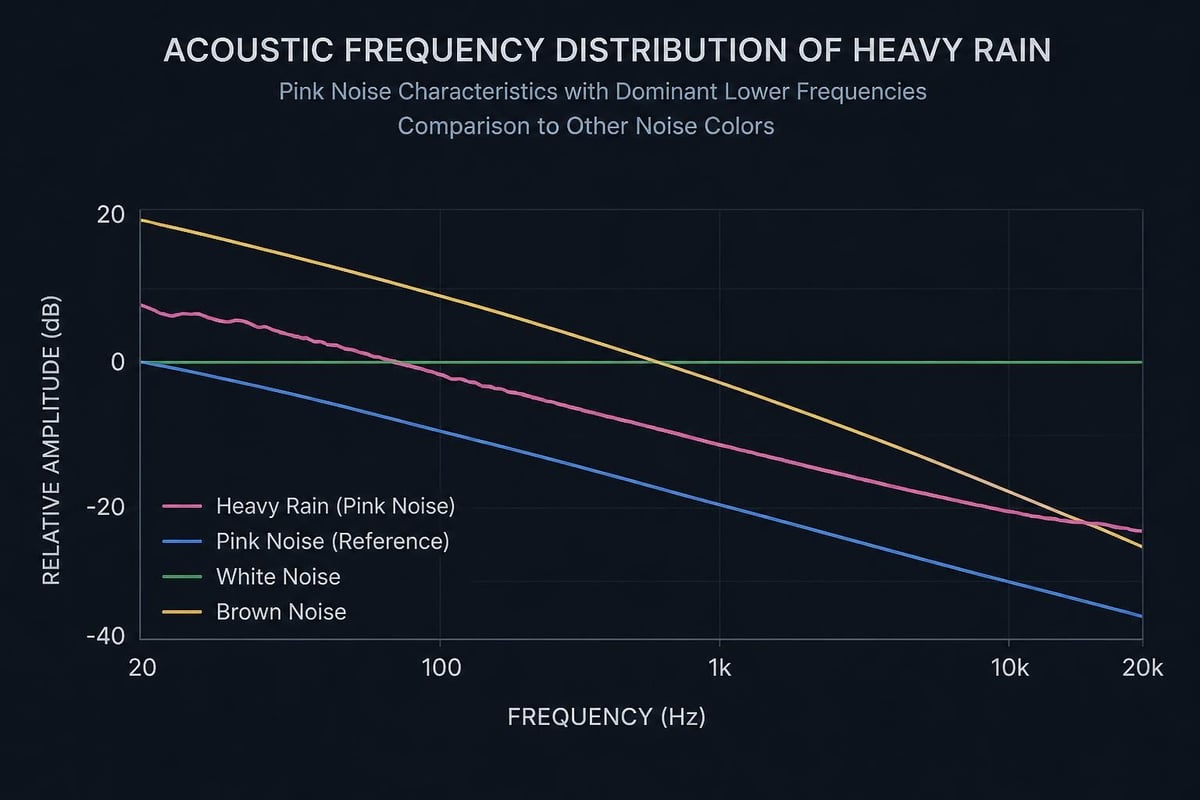
Understanding why heavy rain and thunder sounds for sleeping work requires exploring the acoustic properties that make these natural phenomena uniquely suited for rest. Rain sounds fall into a category researchers call "pink noise," a specific frequency distribution where lower frequencies dominate but higher frequencies remain present. Unlike white noise, which distributes energy equally across all frequencies, pink noise creates a more balanced, natural sound pattern that mirrors many natural environments.
The human brain responds distinctly to different noise colors. Pink noise has been shown to reduce brain wave complexity, supporting deeper sleep stages and improved sleep continuity. When you listen to heavy rain and thunder sounds for sleeping, your auditory cortex processes these frequencies in ways that promote neural synchronization. This synchronization helps transition your brain from alert beta waves to the slower alpha and theta waves associated with relaxation and light sleep.

Thunder adds a complementary element to rain soundscapes. While continuous rain provides steady pink noise, distant thunder introduces low-frequency rumbles that create acoustic variety without causing startle responses. This combination engages your brain's pattern-recognition systems, providing just enough stimulation to prevent fixation on intrusive thoughts while maintaining the calm necessary for sleep onset.
Masking Disruptive Environmental Noise
One primary mechanism through which heavy rain and thunder sounds for sleeping improve rest is sound masking. Urban and suburban environments rarely provide silent sleeping conditions. Traffic noise, neighbor activities, HVAC systems, and electronic devices create an unpredictable acoustic landscape that disrupts sleep architecture.
Rain and thunder sounds establish a consistent acoustic baseline that masks these disturbances. The continuous nature of rainfall creates what acousticians call a "sound blanket," raising the ambient noise floor to a level where sudden sounds become less noticeable. This doesn't eliminate other sounds entirely but reduces their relative prominence and startling effect.
Key masking benefits include:
- Reduction in sleep fragmentation from unpredictable environmental sounds
- Decreased stress response to sudden acoustic events
- Improved sleep continuity across all sleep stages
- Enhanced ability to maintain deep sleep despite external disturbances
Research examining auditory stimulation effects on sleep outcomes has documented significant improvements in sleep quality when consistent background sounds are present, particularly for individuals in noisy environments.
Physiological Responses to Storm Soundscapes
The human nervous system has evolved to respond to environmental acoustic cues. Heavy rain and thunder sounds for sleeping trigger specific physiological changes that facilitate rest. When your auditory system detects the rhythmic patterns of rainfall, it signals safety and shelter to deeper brain structures.
This evolutionary response stems from ancestral environments where rain represented protection. Being inside during storms meant safety from predators and harsh conditions, creating an association between these sounds and security. Modern humans retain this neurological programming, experiencing reduced cortisol levels and increased parasympathetic nervous system activation when exposed to rain sounds.
Autonomic Nervous System Regulation
The autonomic nervous system governs involuntary functions including heart rate, breathing, and digestion. Heavy rain and thunder sounds for sleeping influence this system by promoting parasympathetic dominance, the "rest and digest" state opposite to the "fight or flight" sympathetic response.
| Physiological Marker | Without Rain Sounds | With Rain Sounds |
|---|---|---|
| Heart Rate Variability | Lower baseline | Increased coherence |
| Respiratory Rate | Variable, often elevated | Slower, more regular |
| Cortisol Levels | Elevated evening levels | Reduced stress hormone production |
| Muscle Tension | Increased in shoulders and neck | Progressive relaxation response |
These measurable changes create optimal conditions for sleep initiation. As your breathing synchronizes with the rhythmic patterns of rainfall, your body enters a state conducive to transitioning from wakefulness to sleep. The gentle rumble of distant thunder adds depth to the soundscape without triggering alertness, maintaining the delicate balance needed for rest.
Selecting Optimal Rain and Thunder Recordings
Not all heavy rain and thunder sounds for sleeping deliver equal benefits. The quality, composition, and production of these soundscapes significantly impact their effectiveness. Understanding what distinguishes superior recordings helps you make informed choices for your sleep environment.
High-quality recordings feature:
- Natural field recordings captured in real environments rather than synthesized approximations
- Appropriate frequency distribution emphasizing the 50-500 Hz range characteristic of authentic pink noise
- Consistent volume levels without sudden peaks that could trigger arousal
- Extended duration allowing continuous play throughout sleep cycles
- Minimal compression artifacts preserving the natural texture of rain and thunder
Curated collections like those found in specialized rain sound playlists provide carefully selected recordings that meet these criteria, offering various rain intensities and thunder patterns to match individual preferences.
Customizing Your Sleep Soundscape
Individual preferences vary significantly regarding storm intensity and thunder frequency. Some people find heavy downpours with frequent thunder most relaxing, while others prefer gentle rain with occasional distant rumbles. Experimentation helps identify your optimal configuration.
Consider these variables when selecting heavy rain and thunder sounds for sleeping:
- Rain intensity: Light drizzle versus heavy downpour
- Thunder frequency: Occasional rumbles versus regular thunder rolls
- Thunder distance: Close, dramatic thunder versus distant, muffled sounds
- Additional elements: Wind, dripping water, or pure rain focus
- Recording environment: Forest canopy, metal roof, or open field
The right combination creates a personalized sleep environment that addresses your specific acoustic preferences and masking needs.
Integration with Sleep Hygiene Practices
Heavy rain and thunder sounds for sleeping deliver maximum benefits when integrated into comprehensive sleep hygiene routines. Sound therapy works synergistically with other evidence-based practices to create optimal conditions for rest.
Timing and Volume Considerations
Strategic implementation enhances effectiveness. Begin playing heavy rain and thunder sounds for sleeping 20-30 minutes before your intended sleep time. This pre-sleep period allows your nervous system to respond to the auditory cues and begin the physiological transition toward rest.
Volume calibration proves equally important. Set levels loud enough to mask environmental disturbances but quiet enough to avoid becoming a disturbance themselves. A general guideline suggests volumes between 50-70 decibels, roughly equivalent to moderate rainfall heard from inside a building.
Optimal integration timeline:
- 60 minutes before bed: Reduce screen exposure and bright lighting
- 30 minutes before bed: Begin playing selected rain and thunder sounds
- 20 minutes before bed: Complete final preparations in dimmed lighting
- 10 minutes before bed: Settle into bed with sounds continuing
- Sleep onset: Allow sounds to continue throughout the night
This structured approach leverages the cumulative effects of multiple sleep-promoting interventions rather than relying solely on auditory stimulation.
Addressing Common Implementation Challenges
Despite their effectiveness, some individuals encounter obstacles when using heavy rain and thunder sounds for sleeping. Understanding and addressing these challenges ensures successful implementation.
Habituation and Effectiveness Over Time
Some users worry about developing tolerance to rain sounds, reducing their effectiveness. Research examining mental state-based auditory stimulation for sleep induction suggests that consistent soundscapes maintain efficacy over extended periods when properly implemented. The key lies in matching the sound to your current mental state rather than using identical recordings every night.
Rotating between different rain and thunder recordings prevents complete habituation while maintaining the core benefits. Vary the specific storm characteristics, recording locations, and intensity patterns to provide subtle novelty without disrupting the fundamental acoustic properties that promote sleep.
| Challenge | Solution Strategy | Expected Outcome |
|---|---|---|
| Sound becomes unnoticeable | Rotate between 3-5 different recordings | Maintained effectiveness without habituation |
| Partner dislikes storm sounds | Use personal headphones or pillow speakers | Individual customization without conflict |
| Difficulty waking to alarms | Set alarm volume above rain sound level | Reliable morning wake times |
| Traveling without access | Download offline recordings to mobile devices | Consistent sleep support regardless of location |
Technology and Delivery Methods
Modern technology offers numerous ways to deliver heavy rain and thunder sounds for sleeping. Each method presents distinct advantages and limitations.
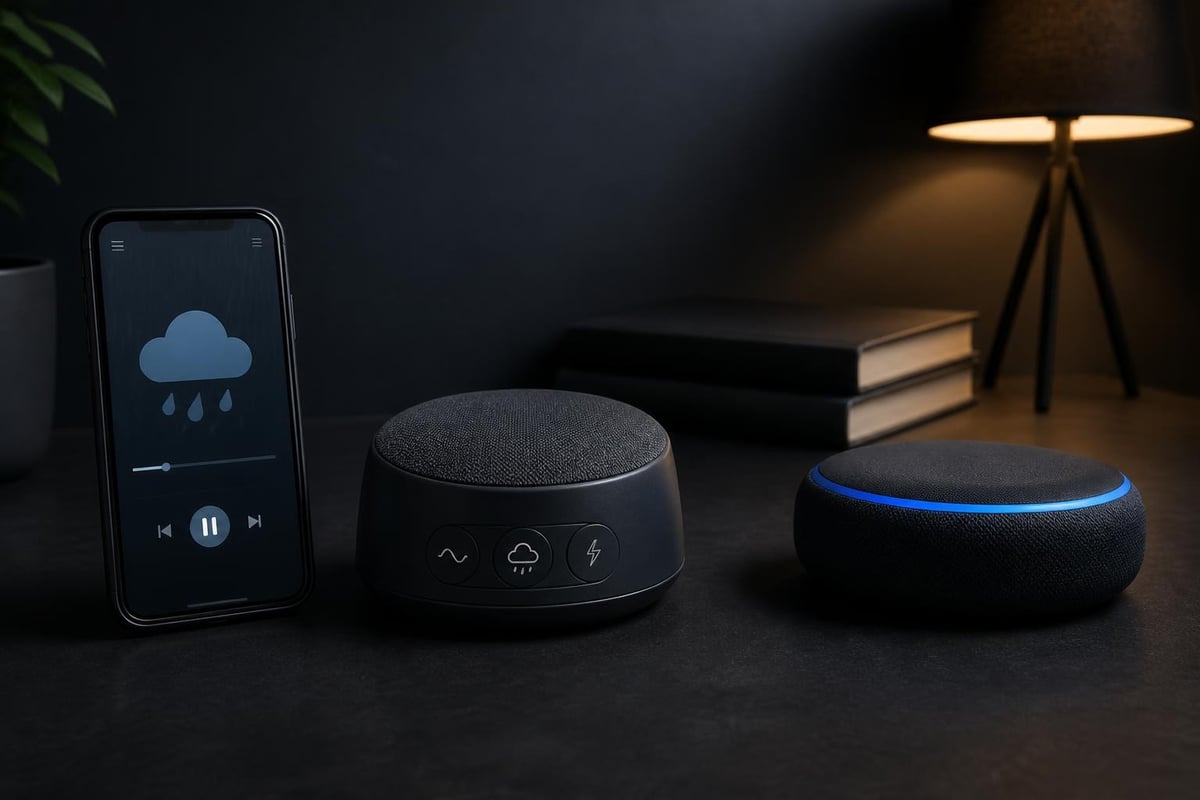
Smartphone apps provide convenient access and variety but may cause sleep disruption if notifications aren't properly disabled. Dedicated white noise machines offer simplicity and reliability but typically include limited sound options. Smart speakers enable voice control and high-quality audio but require network connectivity.
Selection criteria for delivery methods:
- Audio quality and frequency response capabilities
- Continuous play duration without interruption
- Offline functionality for travel or connectivity issues
- Volume control precision for fine-tuning
- Integration with existing bedroom technology
Choose the method that aligns with your technical preferences, budget, and specific sleep environment requirements.
Advanced Applications and Combination Strategies
Experienced users often combine heavy rain and thunder sounds for sleeping with complementary techniques to enhance results. These advanced applications build upon foundational sound therapy to address specific sleep challenges.
Binaural Beats and Isochronic Tones
Some recordings layer binaural beats or isochronic tones beneath rain and thunder sounds. These technologies use specific frequency patterns to encourage brain wave entrainment, theoretically accelerating the transition to sleep-conducive neural states. While research remains mixed on their independent effectiveness, many users report subjective benefits from combined soundscapes.
When exploring these hybrid approaches, start with subtle implementations where the underlying tones remain barely perceptible beneath the dominant rain sounds. This maintains the natural character of the recording while potentially gaining additional benefits.
Meditation and Mindfulness Pairing
Heavy rain and thunder sounds for sleeping complement meditation and mindfulness practices exceptionally well. The consistent acoustic backdrop supports focused attention during pre-sleep meditation sessions, helping quiet mental chatter and reduce rumination that interferes with sleep onset.
Meditation integration techniques:
- Progressive muscle relaxation performed while listening to rain sounds
- Breath-counting exercises synchronized with rainfall rhythms
- Body scan meditations using thunder as natural interval markers
- Loving-kindness practices supported by calming storm ambience
This combination addresses both the acoustic environment and the mental state, creating comprehensive conditions for quality rest.
Measuring and Optimizing Your Results
Tracking your experience with heavy rain and thunder sounds for sleeping enables data-driven optimization. Systematic observation reveals patterns and helps refine your approach over time.
Maintain a simple sleep journal documenting sleep latency (time to fall asleep), perceived sleep quality, nighttime awakenings, and morning alertness. Note which specific recordings you used and any variations in volume or timing. After two weeks, review your entries to identify trends and optimal configurations.
Wearable sleep trackers provide objective data complementing subjective reports. These devices measure sleep duration, stage distribution, and movement patterns, offering insights into how different sound approaches affect your actual sleep architecture versus perceived quality.
| Metric | Assessment Method | Optimization Indicator |
|---|---|---|
| Sleep Latency | Time from lights out to sleep onset | Decreasing trend indicates improvement |
| Sleep Efficiency | Time asleep divided by time in bed | Target above 85% for healthy sleep |
| Wake Episodes | Number of conscious awakenings | Fewer episodes suggest better continuity |
| Subjective Quality | Morning rating scale 1-10 | Increasing scores reflect better rest |
Regular assessment prevents assumptions and ensures your heavy rain and thunder sounds for sleeping continue delivering tangible benefits rather than becoming mere ritual without substance.
Adapting Soundscapes for Different Sleep Scenarios
Sleep needs and environments vary across different situations. Heavy rain and thunder sounds for sleeping can be adapted to address specific scenarios effectively.
Napping Applications
Daytime naps require different acoustic approaches than nighttime sleep. Shorter duration and lighter sleep stages characterize effective naps, suggesting slightly different sound configurations. Consider lighter rain with minimal thunder for 20-30 minute power naps, reserving heavier storms for full sleep cycles.
The masking properties of rain sounds prove particularly valuable for napping in less-than-ideal environments like offices or during travel. Even brief exposure to appropriate soundscapes can facilitate restorative rest despite suboptimal conditions.
Shift Work Sleep Challenges
Individuals working non-traditional schedules face unique sleep obstacles, including daytime sleep requirements when environmental noise peaks. Heavy rain and thunder sounds for sleeping become especially crucial for shift workers, providing essential masking against traffic, construction, and neighborhood activity.
Blackout curtains combined with rain sound therapy create an artificial nighttime environment that supports circadian rhythm adaptation. Consistency proves vital, using the same sound cues to signal sleep time regardless of the actual time of day.
Children and Family Considerations
Many parents successfully use heavy rain and thunder sounds for sleeping to support children's rest. The consistent background noise helps babies sleep through household sounds and provides older children with comforting auditory environments that ease bedtime anxiety.
Start with gentler rain sounds for young children, gradually introducing distant thunder as they become comfortable with the soundscape. Involve older children in selecting recordings they find relaxing, increasing buy-in and effectiveness.
Heavy rain and thunder sounds for sleeping harness evolutionary responses and acoustic science to create optimal conditions for restorative rest, offering a natural, non-pharmaceutical approach to sleep enhancement. By understanding the mechanisms, selecting quality recordings, and integrating sound therapy with broader sleep hygiene practices, you can significantly improve both sleep quality and overall well-being. Freshhh.app takes this foundation further by combining expertly designed soundscapes developed with acoustic researchers with practical micro-habits and evidence-based techniques that train your mind for deeper focus and lasting calm, creating a comprehensive approach to mental clarity and stress reduction that extends beyond passive listening.