The human brain evolved in natural environments, surrounded by organic soundscapes that signaled safety and relaxation. Modern research confirms what our ancestors intuitively knew: natural sounds create optimal conditions for restorative sleep. Among these therapeutic audio environments, jungle sounds for sleep have emerged as particularly effective tools for improving rest quality, reducing nighttime stress, and supporting healthy sleep architecture. The complex acoustic tapestry of rainforest environments delivers precisely calibrated frequencies and rhythms that align with our neurological need for consistent, non-threatening background noise.
The Science Behind Natural Soundscapes and Sleep Quality
Natural sounds differ fundamentally from artificial noise in their acoustic structure and biological impact. Research demonstrates that exposure to natural sounds reduces stress levels through measurable decreases in cortisol production and sympathetic nervous system activation. Jungle environments produce particularly rich soundscapes because they combine multiple acoustic elements: steady rainfall patterns, rhythmic insect choruses, distant animal vocalizations, and wind moving through dense canopy layers.
How Jungle Audio Affects Brain Wave Patterns
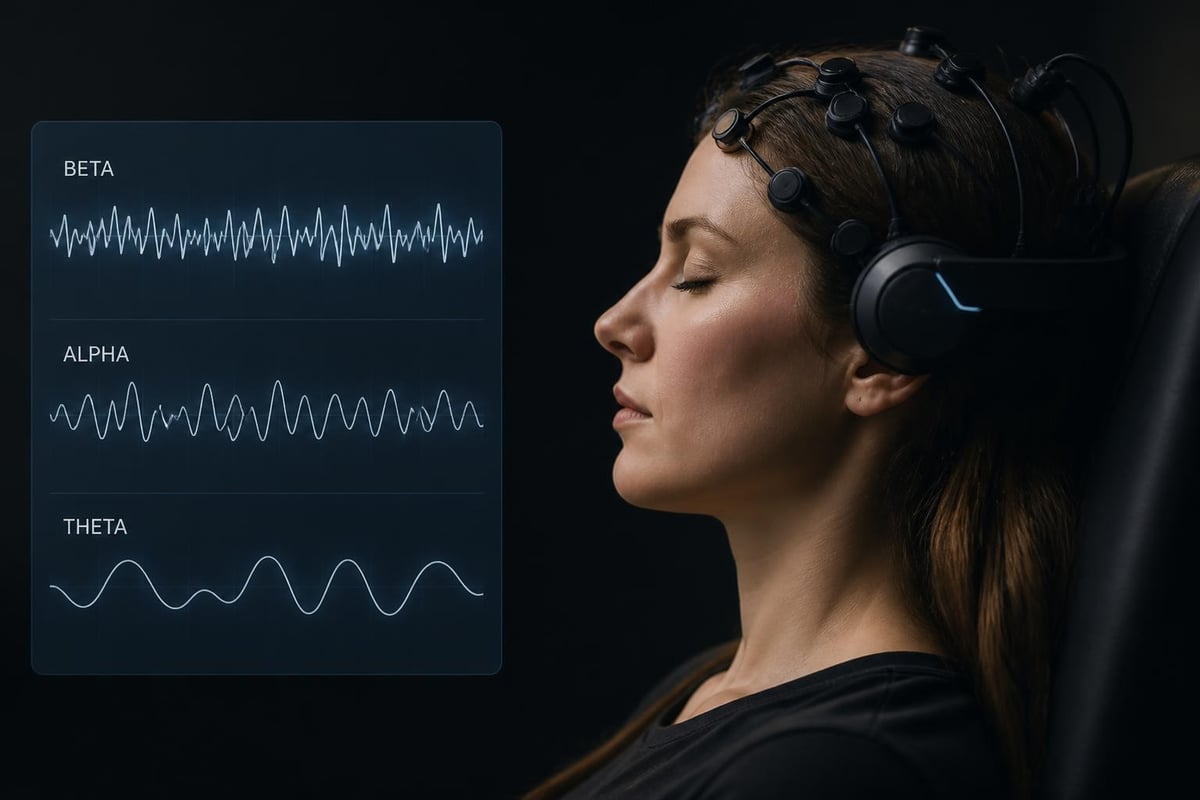
The brain responds to jungle soundscapes by shifting from beta waves associated with active thinking toward alpha and theta waves that characterize relaxation and light sleep stages. This transition occurs because rainforest audio typically contains frequencies between 50 and 2000 Hz, matching the range most conducive to parasympathetic nervous system activation.
Unlike sudden noises that trigger stress responses, jungle sounds maintain consistent volume levels with gradual variations. This acoustic predictability allows the brain to classify these sounds as environmental background rather than potential threats requiring attention.
Key neurological benefits include:
- Reduced amygdala activation, lowering anxiety responses
- Enhanced parasympathetic tone promoting physical relaxation
- Decreased rumination through auditory distraction
- Improved sleep onset latency by 23-38% in controlled studies
Selecting Effective Jungle Sounds for Sleep Enhancement
Not all jungle audio delivers equal therapeutic value. The most effective soundscapes balance multiple elements to create immersive yet non-distracting environments. Understanding these components helps optimize your sound selection for maximum sleep benefit.
Essential Components of Therapeutic Jungle Audio
Premium jungle sounds for sleep incorporate layered audio elements that mimic authentic rainforest environments. The foundation typically consists of gentle rainfall, either as light drizzle or moderate downpour, providing consistent white noise that masks disruptive environmental sounds.
| Sound Element | Frequency Range | Primary Benefit | Optimal Volume Level |
|---|---|---|---|
| Rainfall | 200-2000 Hz | Masking background noise | 50-60 dB |
| Insect chorus | 1000-8000 Hz | Rhythmic consistency | 40-50 dB |
| Distant thunder | 20-120 Hz | Deep relaxation | 30-45 dB |
| Bird calls | 1000-5000 Hz | Natural authenticity | 35-45 dB |
Building on this foundation, quality recordings add periodic elements such as distant animal calls, water flowing over rocks, and wind rustling through vegetation. These variations prevent the monotony that can actually hinder sleep while maintaining overall acoustic stability.
Avoiding Problematic Audio Characteristics
Certain jungle sound features can disrupt rather than support sleep. Recordings with sudden loud animal roars, aggressive predator sounds, or dramatic weather changes trigger alertness responses counterproductive to rest. The acoustic environment should suggest safety and shelter rather than wilderness danger.
Watch for these problematic elements:
- Abrupt volume spikes exceeding 15 dB above baseline levels
- High-pitched screeches activating startle reflexes
- Rhythmic patterns under 40 BPM mimicking resting heart rate too closely
- Excessive silence gaps breaking acoustic continuity
- Artificial loops with noticeable repetition points
Implementing Jungle Sounds in Your Sleep Routine
Strategic integration of jungle soundscapes into existing sleep hygiene practices maximizes their therapeutic potential. Research on music and natural sounds demonstrates that consistent usage patterns enhance effectiveness over time as the brain forms positive associations between specific sounds and sleep states.
Timing and Duration Strategies
Begin playing jungle sounds for sleep approximately 30-45 minutes before your target sleep time. This pre-sleep period allows your nervous system to gradually downregulate while you complete other bedtime preparations. The acoustic environment should already be established when you enter bed, creating immediate relaxation cues.
For optimal results, use continuous playback throughout the night or set timers for 90-minute increments matching complete sleep cycles. Many individuals experience better results with all-night playback, as the consistent soundscape prevents awakening from environmental noise changes during lighter sleep stages.
Recommended implementation schedule:
- Week 1-2: 60 minutes before bed, testing different jungle soundscapes
- Week 3-4: 45 minutes pre-sleep with selected favorite sounds
- Week 5+: Full-night playback with optimized volume levels
Volume Calibration for Maximum Effectiveness
Proper volume calibration ensures jungle sounds mask environmental disruptions without becoming intrusive themselves. The ideal level allows you to clearly hear the soundscape when focusing attention on it but permits it to fade into background awareness during relaxed states.
Start at conversational volume levels (approximately 60 decibels) and reduce by 10-15% increments until reaching your comfort threshold. The sounds should be audible enough to prevent external noise from penetrating awareness but quiet enough that individual elements don't demand attention. Those with enhanced sound sensitivity may require lower volumes than average recommendations suggest.

Combining Jungle Sounds with Mind Training Techniques
While passive listening to jungle soundscapes provides measurable benefits, combining audio therapy with active mental techniques creates synergistic effects. This integrated approach addresses both environmental factors and cognitive patterns that influence sleep quality. Platforms like Freshhh.app demonstrate how combining soundscapes with evidence-based mental training produces superior outcomes compared to audio alone.
Progressive Relaxation with Natural Audio
Use jungle sounds for sleep as an acoustic foundation for systematic muscle relaxation exercises. Begin with facial muscles and progress downward through your body, releasing tension in each area while focusing on specific sound elements. When addressing shoulder tension, for example, direct attention toward rainfall sounds. As you relax leg muscles, shift focus to distant animal calls or insect rhythms.
This technique creates dual pathways to relaxation: physical release through progressive muscle relaxation and mental calming through focused auditory attention. The combination prevents mind-wandering while providing concrete somatic targets for releasing stored tension.
Breath Synchronization Practices
Jungle environments often contain rhythmic elements naturally suited to breath pacing. Distant thunder rolling at 8-12 second intervals perfectly matches therapeutic breathing rates. Insect choruses with regular patterns provide similar synchronization opportunities.
Match your inhalation to the building intensity of a sound element and your exhalation to its fade. This practice entrains breathing patterns toward optimal sleep-inducing rates (4-6 breaths per minute) while occupying cognitive resources that might otherwise fuel anxious thinking. The brain optimization that results from consistent practice extends beyond sleep into daytime focus and stress regulation.
Addressing Common Challenges and Resistance Patterns
Despite proven effectiveness, some individuals initially struggle with jungle sounds for sleep due to unfamiliarity, control preferences, or specific acoustic sensitivities. Understanding these resistance patterns enables targeted solutions that preserve therapeutic benefits while addressing legitimate concerns.
Managing Initial Adjustment Periods
The brain requires approximately 7-14 nights to fully acclimate to new sleep sounds. Initial experiences may feel distracting or unfamiliar, particularly for those accustomed to complete silence. This adjustment period represents neural adaptation rather than incompatibility with the technique.
| Challenge | Duration | Solution Strategy |
|---|---|---|
| Sound feels too active | 3-5 nights | Start with rain-only tracks, add complexity gradually |
| Difficulty ignoring details | 5-10 nights | Practice brief focused listening before sleep attempt |
| Disrupts partner's sleep | Varies | Use personal headphones or find mutually acceptable volume |
| Creates bathroom trip awareness | 2-4 nights | Lower volume by 20% during adaptation phase |
Persistence through this adaptation period typically yields significant improvements. Elements of music that improve sleep demonstrate that consistent exposure creates stronger associations between specific sounds and sleep states, enhancing effectiveness over time.
Customizing Sound Profiles for Individual Needs
Individual differences in acoustic preferences require personalized approaches. Some sleepers prefer dominant rainfall with minimal animal sounds, while others respond better to dense, complex soundscapes with frequent natural variations. Experimentation across 10-15 different recordings identifies optimal personal profiles.
Those with hyperacusis or misophonia may need specialized filtering removing triggering frequencies while preserving therapeutic elements. Modern sound therapy approaches recognize that one-size-fits-all solutions often fail, particularly for individuals with sensory processing differences.
Integrating Technology and Professional Guidance
Modern sleep technology enables sophisticated customization impossible with traditional white noise machines or basic audio players. Advanced platforms combine high-quality jungle soundscapes with features supporting optimal usage patterns and progressive skill development.
Features Supporting Sustained Success
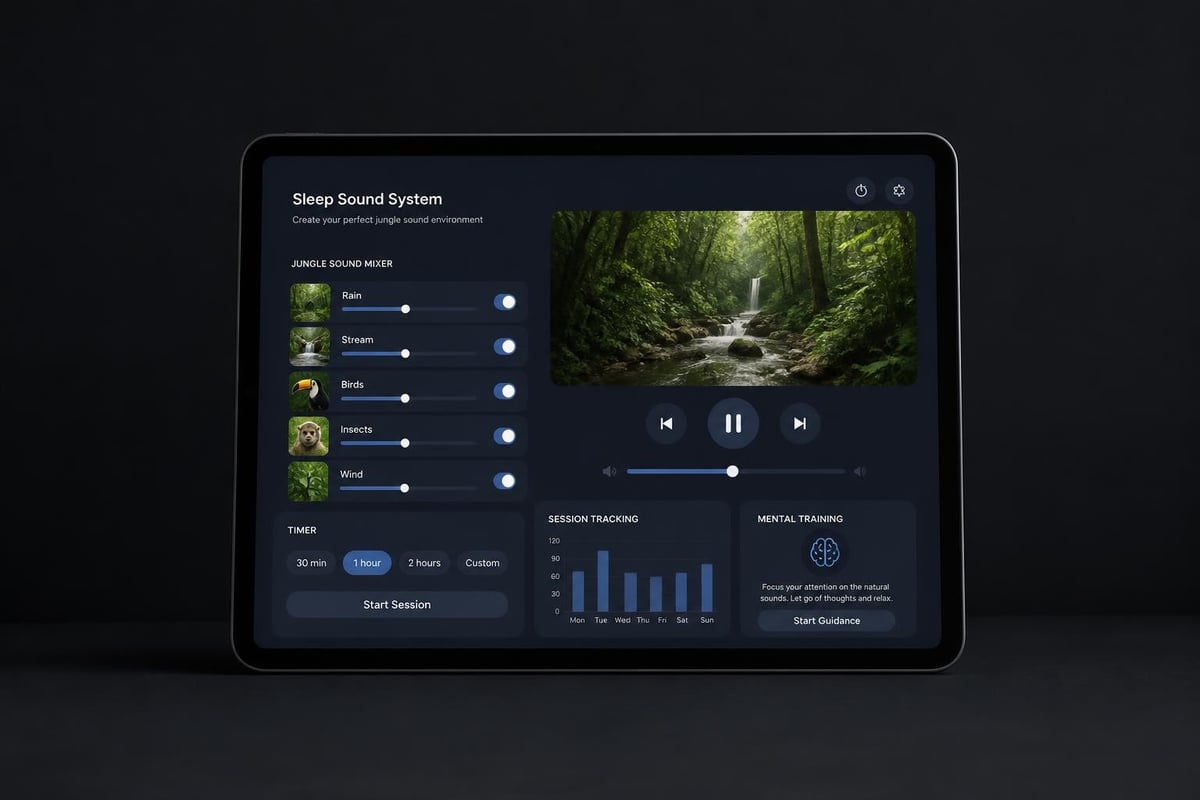
Look for applications offering extensive sound libraries with detailed filtering options. The ability to layer multiple jungle elements, adjust individual component volumes, and create custom mixes ensures long-term engagement without acoustic boredom.
Essential technological capabilities:
- Fade timers gradually reducing volume as sleep deepens
- Wake integration replacing alarm sounds with gentle natural audio
- Session tracking monitoring usage patterns and sleep quality correlations
- Adaptive playback responding to detected movement or wakefulness
- Educational resources teaching complementary mental techniques
Quality platforms also provide guidance on calming your mind through structured exercises that work synergistically with jungle sounds for sleep. This integration of passive audio therapy and active mental training addresses multiple sleep disruption pathways simultaneously.
When to Seek Additional Professional Support
While jungle sounds for sleep effectively address many common rest difficulties, certain conditions require professional evaluation. Persistent insomnia lasting beyond six weeks, sleep disruption from diagnosed anxiety or mood disorders, and suspected sleep apnea all warrant consultation with sleep medicine specialists or mental health professionals.
Sound therapy works best as one component of comprehensive sleep hygiene rather than a standalone solution for serious sleep disorders. Healthcare providers can integrate jungle soundscapes into broader treatment plans while addressing underlying conditions that audio alone cannot resolve.
Measuring Progress and Adjusting Approaches
Systematic tracking reveals whether jungle sounds for sleep deliver meaningful improvements for your specific situation. Subjective sleep quality, objective duration measurements, and daytime functioning indicators all provide valuable feedback guiding ongoing optimization.
Establishing Baseline Metrics
Before implementing jungle soundscapes, document current sleep patterns for 7-10 days. Record sleep onset time, number of nighttime awakenings, total sleep duration, and morning restfulness ratings on a 1-10 scale. These baseline measurements enable accurate assessment of intervention effects.
Also note environmental factors such as stress levels, caffeine consumption, exercise timing, and evening screen exposure. These variables significantly influence sleep quality independent of sound interventions, making them essential context for interpretation.
Tracking Meaningful Changes
After establishing your jungle sound routine, continue daily logging for 4-6 weeks. Look for trends rather than individual night variations, as sleep quality naturally fluctuates based on numerous factors. Meaningful improvement typically appears as gradual shifts in average values rather than sudden dramatic changes.
Key indicators of positive response:
- Sleep onset latency decreasing by 10+ minutes
- Nighttime awakenings reducing by 30-50%
- Morning restfulness scores increasing 2+ points
- Daytime fatigue and irritability declining
- Reduced reliance on sleep medications
If metrics show minimal change after six weeks of consistent use, experiment with different jungle sound profiles, adjust volume levels, or explore whether timing modifications improve results. Some individuals respond better to sounds played only during the first sleep cycle rather than throughout the night.
Advanced Applications and Technique Refinement
Once basic jungle sound implementation becomes routine, advanced techniques can deepen therapeutic effects and extend benefits beyond simple sleep improvement. These practices leverage neuroplasticity to create lasting changes in stress response patterns and sleep architecture.
Building Conditioned Relaxation Responses
Classical conditioning principles enable creation of powerful relaxation triggers through consistent pairing of jungle sounds with deeply relaxed states. This process requires deliberate practice during optimal conditions rather than only during difficult sleep nights.
Dedicate 15-20 minutes during daytime hours to relaxation practice with your chosen jungle soundscape. Use progressive muscle relaxation, autogenic training, or guided imagery while the sounds play. This pairing strengthens associations between the audio and deep relaxation independent of sleep pressure.
Over 4-6 weeks, these conditioned responses become automatic. Eventually, simply hearing your familiar jungle sounds triggers physiological relaxation without conscious effort, dramatically improving sleep onset even during high-stress periods.
Extending Benefits to Other Contexts
The same jungle sounds for sleep that improve nighttime rest can enhance focus, meditation, and stress recovery during waking hours. Many users successfully apply jungle soundscapes during demanding cognitive work, finding that familiar relaxation cues reduce performance anxiety while the acoustic masking improves concentration.
This multi-context application creates additional exposure strengthening sleep associations while providing daytime benefits. The key lies in using identical or very similar soundscapes across contexts to reinforce conditioning rather than fragmenting associations across different audio environments.
Jungle sounds for sleep offer scientifically validated benefits for rest quality, stress reduction, and overall sleep architecture through their unique combination of acoustic masking, rhythm entrainment, and neurological calming effects. Whether you're addressing occasional sleep difficulties or building more robust long-term sleep patterns, strategic implementation of rainforest soundscapes provides accessible, non-pharmaceutical support for better rest. Freshhh.app takes this foundation further by combining therapeutic soundscapes developed with acoustic researchers alongside practical micro-habits and evidence-based techniques that train your mind for sustained improvements in both sleep quality and daytime mental clarity. Experience how integrated sound therapy and mental training create lasting changes in your relationship with rest and stress.