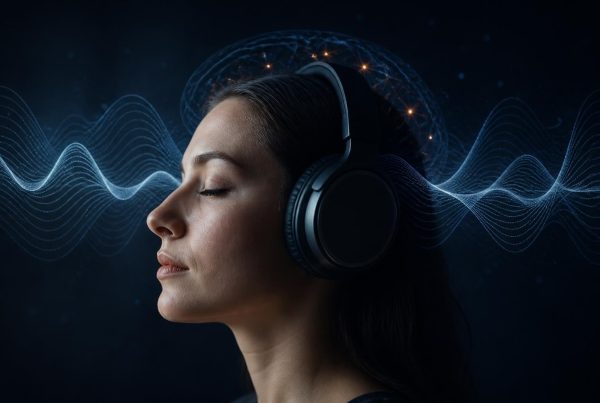
The digital transformation of mental health support has accelerated dramatically in recent years, with specialized applications emerging to address everything from anxiety management to cognitive performance. A mind app represents more than just another wellness tool. It functions as a comprehensive mental training platform that combines behavioral science, neurofeedback principles, and therapeutic techniques to help users develop stronger cognitive resilience and emotional regulation. As we navigate increasingly complex demands on our attention and mental resources, these applications offer structured pathways for building sustainable mental wellness practices.
Understanding the Core Functions of a Mind App
A modern mind app operates on multiple levels to support mental health and cognitive performance. Unlike passive relaxation tools, these platforms actively engage users in developing new neural pathways through consistent practice and evidence-based interventions.
Mental Training Through Structured Interventions
The foundation of an effective mind app lies in its ability to deliver targeted mental exercises that strengthen specific cognitive capabilities. These interventions might include attention training protocols, emotional regulation techniques, or mindfulness-based practices designed to reshape automatic thought patterns.
Research demonstrates that regular engagement with structured mental training can produce measurable changes in brain activity and cognitive performance. Users typically work through progressive programs that adapt to their current skill level, ensuring challenges remain appropriate while encouraging growth.
Key intervention categories include:
- Focused attention exercises that build concentration stamina
- Open monitoring practices for awareness expansion
- Cognitive reappraisal techniques for stress management
- Behavioral activation strategies for mood regulation
- Sleep hygiene protocols for recovery optimization
The MIND app exemplifies this structured approach by building personalized knowledge graphs that help users organize their thoughts and track mental patterns over time.
The Science Behind Sound Therapy Integration
Sound-based interventions represent a powerful component within comprehensive mental wellness platforms. When integrated thoughtfully into a mind app framework, acoustic elements can amplify the effectiveness of cognitive training protocols.
Acoustic Research and Mental Performance
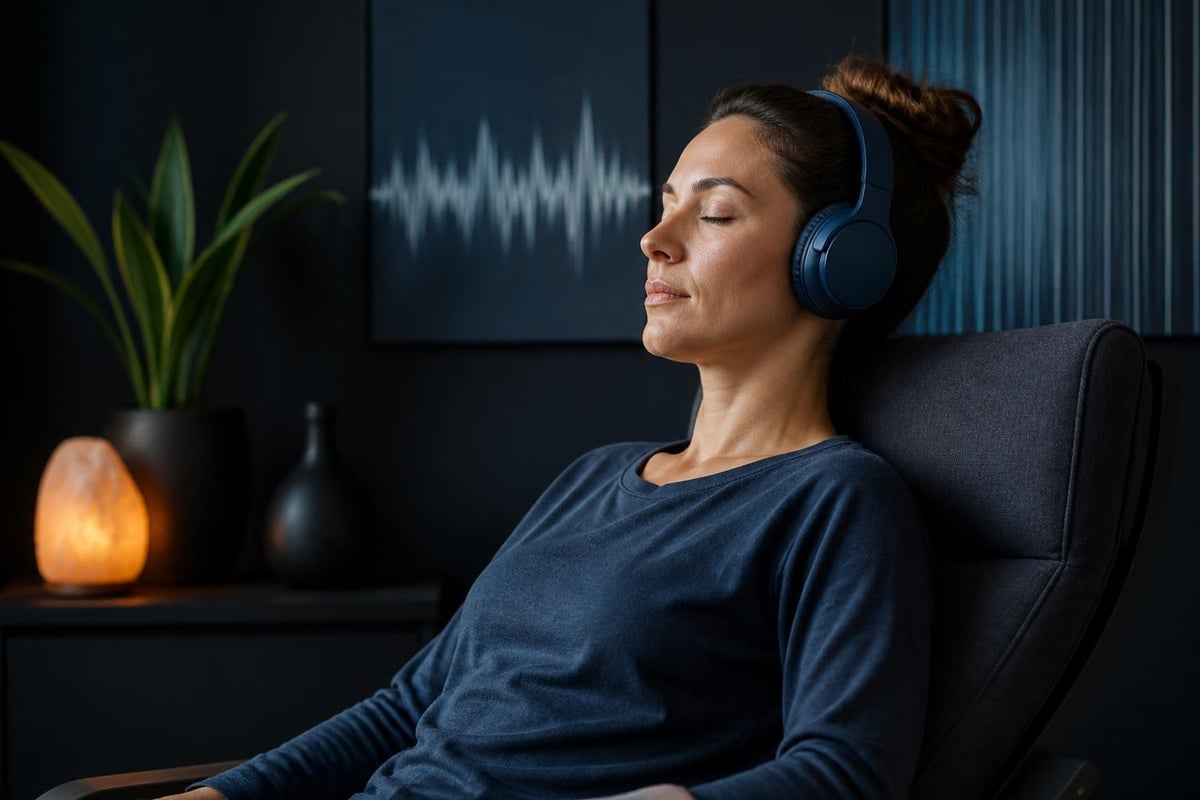
Decades of neuroscience research confirm that specific sound frequencies influence brainwave patterns, autonomic nervous system function, and subjective states of consciousness. A well-designed mind app leverages these findings to create soundscapes that support particular mental states.
For individuals seeking deeper concentration, sound frequency treatment approaches can help establish the neural conditions conducive to sustained attention. The acoustic environment becomes a scaffold supporting the mental training work.
| Sound Type | Primary Benefit | Best Use Case |
|---|---|---|
| Binaural Beats | Brainwave entrainment | Meditation and deep work |
| Pink Noise | Attention stabilization | Study sessions |
| Nature Sounds | Stress reduction | Recovery periods |
| Isochronic Tones | Cognitive stimulation | Creative tasks |
Different soundscapes serve distinct purposes within a comprehensive mental training program. The key lies in matching the acoustic intervention to the desired cognitive outcome.
Building Micro-Habits for Sustainable Change
The most sophisticated mind app platforms recognize that lasting mental wellness emerges from consistent small actions rather than occasional intensive efforts. Micro-habit formation represents the bridge between knowledge and transformation.
The Architecture of Behavioral Change
Effective habit development requires understanding the cue-routine-reward cycle that governs automatic behaviors. A mind app that incorporates behavioral science principles helps users identify existing patterns, design replacement routines, and establish environmental triggers that support new habits.
Essential micro-habits for mental wellness:
- Morning cognitive priming (3-5 minutes)
- Midday attention reset breaks (2 minutes)
- Evening reflection practice (5 minutes)
- Weekly pattern analysis (10 minutes)
- Monthly goal recalibration (15 minutes)
These small commitments compound over time to produce significant shifts in mental capacity and emotional resilience. The Mind – Daily Affirmations app demonstrates how brief, consistent practices can challenge negative thought patterns effectively.
Research on habit formation indicates that consistency matters more than duration. A mind app that prioritizes brief daily engagement typically produces better long-term outcomes than platforms requiring lengthy sessions.
Personalization Through Adaptive Algorithms
Generic mental wellness recommendations rarely address individual needs effectively. Advanced mind app platforms employ adaptive algorithms that learn from user responses and adjust programming accordingly.
Data-Driven Mental Health Support
Modern applications track multiple data streams to build comprehensive user profiles. These might include self-reported mood assessments, engagement patterns, physiological metrics from wearable devices, and performance on cognitive tasks.
The system analyzes these inputs to identify optimal intervention timing, preferred modalities, and potential risk factors. This creates a feedback loop where the mind app becomes progressively more effective as it accumulates user-specific data.
Lumosity Mind offers guided meditation sessions that adapt based on user preferences and progress, demonstrating the power of personalized mental training protocols.
Privacy considerations remain paramount in this data collection. Reputable platforms employ encryption, anonymization, and transparent data policies to protect sensitive mental health information.
Integration with Daily Life Contexts
The effectiveness of any mind app depends heavily on its ability to integrate seamlessly into existing routines. Applications that require users to dramatically alter their schedules or environments typically experience low long-term retention.

Contextual Awareness and Smart Notifications
Sophisticated platforms recognize that mental state requirements shift throughout the day. Morning hours might demand energizing protocols, while evening periods benefit from calming interventions. A mind app that understands these rhythms can deliver contextually appropriate suggestions.
The recent integration of AI-driven context awareness in mobile platforms demonstrates how technology can anticipate user needs based on behavioral patterns and environmental factors.
Context-sensitive features include:
- Location-based practice recommendations
- Calendar integration for optimal scheduling
- Activity-aware intervention selection
- Social context considerations
- Energy level adaptive programming
When calming your mind becomes as natural as checking messages, sustainable mental wellness practices take root.
Measuring Progress and Maintaining Motivation
Quantifying mental health improvements presents unique challenges compared to physical fitness tracking. A comprehensive mind app addresses this through multiple assessment dimensions that capture both subjective experience and objective performance metrics.
Multi-Dimensional Progress Tracking
Effective measurement systems combine several approaches to create a complete picture of mental wellness development. Users might track mood patterns, stress responses, focus duration, sleep quality, and cognitive performance on standardized tasks.
| Metric Category | Measurement Method | Update Frequency |
|---|---|---|
| Subjective Wellbeing | Self-report scales | Daily |
| Cognitive Performance | Timed tasks | Weekly |
| Emotional Regulation | Response latency | Daily |
| Sleep Quality | Duration and depth | Nightly |
| Stress Physiology | HRV monitoring | Continuous |
Visualization tools transform raw data into actionable insights. Users can identify patterns, celebrate improvements, and adjust strategies based on empirical evidence rather than subjective impressions alone.
The gamification elements in applications like Mind: Spiritual Awakening demonstrate how progress tracking can maintain user engagement through achievement systems and milestone recognition.
Combining Cognitive Training with Environmental Design
Mental performance optimization extends beyond direct training exercises. A holistic mind app considers how environmental factors influence cognitive capacity and provides guidance for workspace design, lighting optimization, and sensory management.
Creating Supportive Cognitive Environments
The physical and acoustic environment profoundly impacts mental state. Applications that address environmental design help users create spaces that support their cognitive goals rather than undermining them.
For individuals engaged in deep study or intensive knowledge work, environmental factors like ambient noise levels, lighting quality, and visual complexity can determine success or failure. A mind app might provide assessments of current work environments and specific recommendations for optimization.
Acoustic environment design deserves particular attention. While some individuals thrive in silence, others benefit from carefully selected background sounds that mask distracting environmental noise without capturing attention. Understanding personal acoustic preferences represents a crucial component of mental performance optimization.
Specialized Approaches for Different Mental Health Needs
Mental wellness encompasses diverse challenges requiring tailored interventions. The most versatile mind app platforms offer specialized pathways addressing specific concerns while maintaining integration within a coherent framework.

Targeted Intervention Tracks
Users might select pathways focused on anxiety reduction, attention deficit support, trauma recovery, or performance enhancement. Each track employs evidence-based protocols specific to that challenge while drawing from common foundational practices.
Specialized pathway examples:
- Anxiety Management: Exposure hierarchies, breathing protocols, cognitive restructuring
- Focus Enhancement: Attention training, distraction management, flow state cultivation
- Sleep Optimization: Circadian rhythm support, sleep hygiene, relaxation techniques
- Stress Resilience: Adaptogenic practices, recovery protocols, boundary setting
The MIND: AI Therapist & Coach demonstrates how artificial intelligence can provide round-the-clock support for various mental health challenges through conversational interfaces.
Integration of music and meditation techniques offers another specialized approach for individuals who respond particularly well to sound-based interventions.
The Role of Community and Social Support
While mental training often requires solitary practice, social connection significantly influences long-term outcomes. Progressive mind app platforms incorporate community features that balance privacy concerns with the motivational benefits of shared experience.
Structured Social Engagement
Community features might include anonymous progress sharing, group challenges, peer support forums, or accountability partnerships. These elements combat the isolation that sometimes accompanies mental health struggles while respecting user privacy preferences.
Research consistently demonstrates that social support predicts treatment adherence and outcome success across mental health interventions. A mind app that thoughtfully integrates community features leverages this effect without compromising confidentiality.
Some platforms employ expert-moderated spaces where users can ask questions and receive guidance from mental health professionals. This hybrid approach combines algorithmic personalization with human expertise.
Evaluating Mind App Quality and Effectiveness
The proliferation of mental wellness applications creates challenges for consumers seeking effective solutions. Understanding quality markers helps users identify platforms backed by legitimate science rather than marketing claims alone.
Evidence-Based Selection Criteria
Reputable mind app platforms demonstrate several key characteristics that distinguish them from superficial alternatives. These include transparent disclosure of underlying research, involvement of qualified mental health professionals in development, regular efficacy studies, and clear privacy policies.
| Quality Indicator | What to Look For | Red Flags |
|---|---|---|
| Research Foundation | Published studies, citations | Vague "science-backed" claims |
| Professional Involvement | Named credentialed experts | Anonymous development teams |
| Privacy Practices | Clear data policies | Excessive permissions |
| Update Frequency | Regular improvements | Abandoned apps |
| User Reviews | Detailed experiences | Primarily promotional |
Resources like TechRadar’s mind mapping software reviews provide independent evaluations that help users navigate the crowded marketplace.
When exploring different platforms, consider beginning with established options that maintain active development communities and transparent research foundations.
Future Developments in Mental Wellness Technology
The mind app landscape continues evolving rapidly as neuroscience research advances and technology capabilities expand. Understanding emerging trends helps users anticipate new possibilities while maintaining realistic expectations.
Emerging Capabilities and Technologies
Artificial intelligence integration represents perhaps the most significant near-term development. Machine learning algorithms can identify subtle patterns in user data that predict mental state changes, allowing proactive intervention rather than reactive support.
Wearable device integration expands assessment capabilities beyond self-report measures. Heart rate variability, skin conductance, sleep architecture, and physical activity data provide objective windows into autonomic nervous system function and stress responses.
Virtual reality applications offer immersive environments for exposure therapy, mindfulness training, and cognitive skill development. These technologies create controlled spaces where users can practice mental skills with immediate feedback.
Tools like Mindz and miMind demonstrate how visualization technologies can help users structure thoughts and identify patterns that might otherwise remain invisible.
Platforms such as mindwise showcase how AI coaching can provide structured personal development programs that adapt to individual learning styles and life circumstances.
Implementing a Mind App Strategy Successfully
Downloading an application represents only the first step toward meaningful mental wellness improvement. Strategic implementation determines whether a mind app produces lasting change or joins the collection of abandoned digital tools.
Creating Sustainable Engagement Patterns
Success requires treating the mind app as part of a comprehensive wellness strategy rather than a standalone solution. Integration with existing routines, realistic goal setting, and periodic assessment ensure long-term viability.
Implementation best practices:
- Start with minimal commitments (5 minutes daily)
- Schedule specific practice times
- Track adherence patterns separately from outcomes
- Adjust programming based on life circumstances
- Periodically reassess goals and methods
- Combine digital tools with offline practices
- Seek professional support when needed
The combination of sound healing approaches with structured mental training creates synergistic effects where each element amplifies the others.
Consistency matters more than perfection. Users who maintain imperfect but regular engagement typically achieve better outcomes than those pursuing flawless execution that proves unsustainable.
Mental wellness technology has matured into a sophisticated field offering genuine support for cognitive performance and emotional regulation. A quality mind app combines evidence-based interventions, personalized programming, and environmental optimization to help users develop sustainable mental fitness practices. When you're ready to transform your relationship with focus, stress, and mental clarity through science-backed sound therapy and practical micro-habits, explore how Freshhh.app can guide your journey toward deeper cognitive resilience and lasting mental wellness.