The intersection of music and meditation has evolved from ancient spiritual practices to a scientifically validated approach for enhancing mental well-being. As we navigate an increasingly distracted world in 2026, understanding how auditory stimulation affects our cognitive states has become essential for anyone seeking genuine focus and calm. Research continues to demonstrate that strategic sound integration can amplify the benefits of traditional meditation, creating pathways to deeper concentration and emotional regulation that simple silence may not achieve.
The Science Behind Music and Meditation
Modern neuroscience has revealed compelling evidence about how our brains respond to sonic environments during contemplative practices. When we engage in music and meditation simultaneously, specific neural networks activate differently than they would with either practice alone.
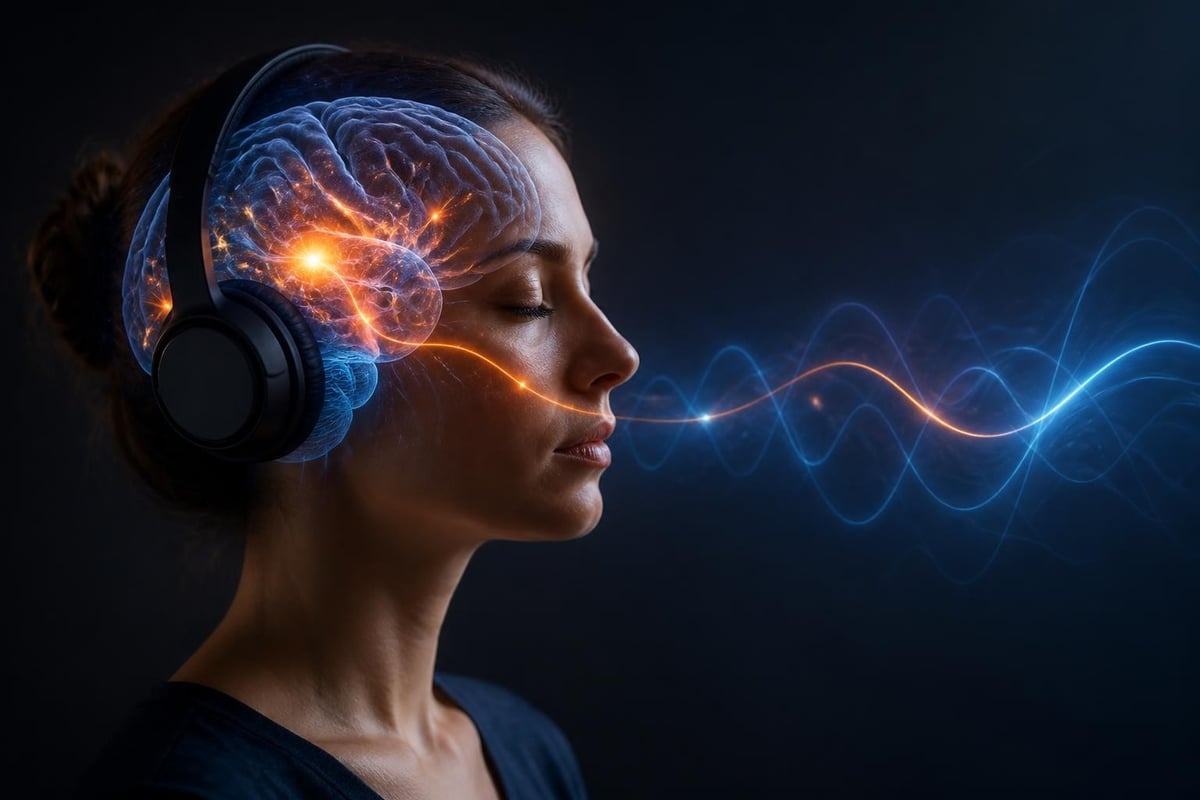
Brain imaging studies show that combining auditory stimulation with mindfulness techniques creates synchronized activity across multiple regions. The prefrontal cortex, responsible for executive function and attention, shows enhanced connectivity when exposed to structured soundscapes during meditation sessions. This synchronization helps practitioners maintain focus while reducing the mental effort typically required to sustain attention.
Frequency Patterns and Brainwave States
Different sound frequencies correspond to distinct brainwave patterns that support various meditation objectives. Understanding this relationship allows practitioners to select appropriate sonic environments for their specific goals.
| Brainwave Type | Frequency Range | Meditation State | Optimal Sound Characteristics |
|---|---|---|---|
| Delta | 0.5-4 Hz | Deep rest, healing | Low drones, minimal variation |
| Theta | 4-8 Hz | Deep meditation, creativity | Gentle rhythms, flowing patterns |
| Alpha | 8-13 Hz | Relaxed focus, light meditation | Natural sounds, harmonic tones |
| Beta | 13-30 Hz | Active concentration | Structured patterns, clear definition |
The relationship between external sound stimulation and internal brainwave entrainment forms the foundation of effective music and meditation practices. According to research on individual differences in brain activity during relaxation, familiar music can create personalized responses that enhance the meditation experience.
Acoustic Elements That Support Meditation
Not all sounds contribute equally to meditative states. Specific acoustic properties enhance rather than distract from contemplative practice.
Harmonic consistency creates a stable sonic foundation that allows the mind to settle without requiring constant processing of new information. Predictable patterns reduce cognitive load by eliminating surprise elements that trigger alertness responses. Natural sound textures such as flowing water or rustling leaves connect with evolutionary preferences that signal safety and calm.
Research published in Healthline’s overview of sound healing demonstrates how these elements work together to facilitate both physical relaxation and mental clarity during meditation sessions.
Practical Applications of Music and Meditation
Implementing music and meditation effectively requires understanding how different approaches serve distinct purposes. The key lies in matching sonic environments to specific meditation goals rather than applying a one-size-fits-all approach.
Structured Meditation Sessions
For focused meditation practices with defined timeframes, structured soundscapes provide temporal anchors that help practitioners maintain awareness without clock-watching. A twenty-minute session might incorporate gradually evolving tones that signal progression through different phases.
Beginning with grounding frequencies establishes the foundational state. The middle section maintains stability through consistent patterns. The final phase introduces subtle shifts that prepare practitioners for the transition back to regular awareness.
- Opening phase: Low-frequency drones establish baseline calm
- Middle phase: Layered textures maintain engaged attention
- Closing phase: Gradual simplification supports smooth re-entry
This structured approach helps build sustainable meditation habits by creating familiar sonic landmarks that the nervous system recognizes and responds to over time.
Background Sound Integration
Many practitioners find that continuous ambient soundscapes support extended focus periods beyond formal meditation. This application of music and meditation principles extends contemplative benefits into daily work and creative activities.
Studies comparing different music stimuli in mindfulness meditation reveal that consistency matters more than complexity. The same carefully designed sound environment used repeatedly creates neural associations that accelerate the shift into focused states.
Selecting Appropriate Soundscapes
The effectiveness of music and meditation depends significantly on matching sonic characteristics to individual needs and contexts. What facilitates deep meditation for one person might prove distracting for another.
Personal Response Patterns
Individual variability in auditory processing means that personalized approaches yield better results than generic recommendations. Some practitioners respond optimally to nature-based soundscapes while others prefer synthesized tones or minimalist compositions.
Testing different sound categories systematically helps identify which patterns support your specific meditation objectives. Keep a simple log noting:
- Sound type and characteristics
- Meditation duration and quality
- Post-session mental clarity rating
- Ease of returning to the practice
This evidence-based approach removes guesswork and builds a personalized sound library that reliably supports your practice.
Context-Specific Selection
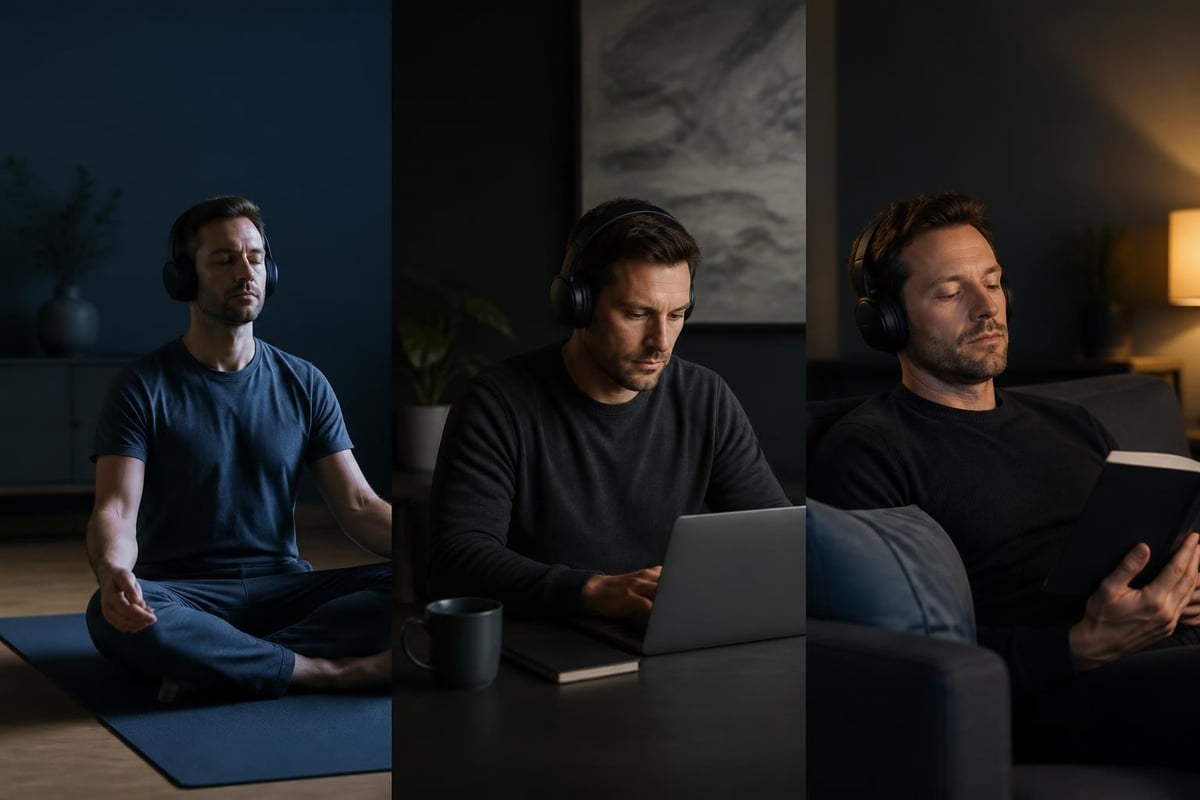
Different environments and purposes require adjusted sonic approaches. Morning meditation sessions might benefit from brighter, more energizing frequencies that support alert focus. Evening practices typically work better with warmer, lower-frequency soundscapes that facilitate relaxation without sedation.
The benefits of music extend beyond meditation itself, influencing mood regulation and cognitive performance throughout the day. Strategic sound selection amplifies these advantages.
Building a Sustainable Practice
Long-term success with music and meditation requires establishing systems that reduce friction and support consistency. The challenge isn't understanding the benefits but rather creating conditions that make regular practice effortless.
Habit Architecture
Linking meditation sessions to existing routines creates automatic triggers that bypass motivation requirements. Morning coffee preparation, lunch breaks, or pre-sleep rituals all offer natural anchors for brief meditation moments supported by appropriate soundscapes.
Environmental design matters as much as intention. Dedicated listening devices, preset sound selections, and minimal-friction access remove the decision fatigue that erodes consistency.
Progressive Skill Development
Music and meditation proficiency develops through systematic progression rather than random experimentation. Beginning with shorter sessions accompanied by more structured sonic guidance establishes foundational skills.
| Experience Level | Session Duration | Sound Complexity | Focus Technique |
|---|---|---|---|
| Beginner | 5-10 minutes | Highly structured, clear patterns | Breath counting with sound anchor |
| Intermediate | 10-20 minutes | Moderate variation, familiar themes | Body scanning with sonic backdrop |
| Advanced | 20+ minutes | Subtle complexity, minimal guidance | Open awareness with ambient support |
As competency increases, practitioners can work with more subtle soundscapes and longer sessions while maintaining focus quality. This progression mirrors athletic training principles where graduated challenges build capacity without overwhelming current abilities.
Technology and Modern Practice
The landscape of music and meditation tools has transformed dramatically with advances in digital audio technology and neuroscience research. Practitioners in 2026 have access to unprecedented resources for optimizing their contemplative practices.

Research-Backed Sound Design
Contemporary meditation soundscapes increasingly incorporate findings from acoustic research and cognitive neuroscience. National Geographic’s exploration of sound meditation benefits highlights how purposefully designed audio environments can help individuals enter meditative states more effectively than traditional approaches.
Collaboration between meditation teachers and acoustic researchers produces soundscapes that target specific neural mechanisms underlying focus and calm. These evidence-based approaches move beyond aesthetic preferences to optimize measurable outcomes.
Adaptive Audio Systems
Advanced platforms now adjust sound characteristics in response to time of day, practice duration, and user preferences. This personalization addresses the individual variability challenge that limits generic meditation recordings.
Machine learning algorithms identify patterns in when and how practitioners engage with different sonic environments, then optimize recommendations to support consistency and depth. The technology serves the practice rather than complicating it.
Common Challenges and Solutions
Even well-designed music and meditation practices encounter obstacles that can derail consistency. Recognizing these challenges and implementing specific solutions prevents temporary setbacks from becoming permanent abandonment.
Distraction vs. Support
Finding the threshold where sound supports rather than distracts requires experimentation. Some practitioners discover that complete silence works better for certain meditation types while sound proves essential for others.
Solution: Create distinct sound profiles for different meditation objectives. Use more structured audio for concentration practices and minimal soundscapes for open awareness meditation.
Habituation and Diminishing Returns
Repeated exposure to identical soundscapes can lead to habituation where the brain filters out familiar patterns, reducing their effectiveness.
Solution: Rotate between three to five carefully selected sound environments that share core characteristics but offer enough variation to maintain engagement. Weekly or bi-weekly rotation prevents both habituation and the instability of constant novelty.
Technical Interruptions
Nothing disrupts meditation faster than unexpected ads, notifications, or connectivity issues during a session.
Solution: Use dedicated meditation devices or apps with offline capability and zero interruptions. Pre-download sessions and enable airplane mode before beginning practice.
Evidence-Based Benefits
The measurable outcomes from combining music and meditation extend across cognitive, emotional, and physiological domains. Research continues validating what practitioners have experienced subjectively for years.
Cognitive Performance
Studies demonstrate improved sustained attention, working memory capacity, and mental flexibility among regular practitioners who incorporate appropriate soundscapes. These benefits persist beyond meditation sessions, enhancing daily cognitive function.
The research on measurable increases in dopamine and reduced anxiety through musical engagement suggests that even passive listening during meditation activates reward pathways that reinforce the practice itself.
Emotional Regulation
Consistent music and meditation practice strengthens the neural circuits responsible for emotional awareness and regulation. Practitioners report enhanced ability to:
- Recognize emotional states earlier in their development
- Choose adaptive responses rather than automatic reactions
- Maintain equanimity during challenging circumstances
- Access calm states quickly when needed
These skills compound over time, creating resilience that extends far beyond the meditation cushion into daily life challenges.
Stress Response Modification
Perhaps most significantly, regular practice recalibrates the nervous system's baseline state and stress reactivity. The combination of auditory anchoring and contemplative attention creates stronger vagal tone, supporting faster recovery from activation and lower resting stress markers.
Integration With Broader Wellness Practices
Music and meditation exists not in isolation but as part of comprehensive approaches to mental and physical well-being. Understanding these connections helps practitioners leverage synergies between different health-promoting activities.
Sleep Architecture
The same sonic principles that support meditation can facilitate improved sleep quality when applied appropriately. Evening sessions using progressively slower tempos and lower frequencies help transition the nervous system toward sleep-ready states.
Physical Exercise
Pre-workout meditation with energizing soundscapes can enhance focus and motivation while post-exercise sessions with calming audio accelerate recovery and reduce cortisol levels. This bidirectional application maximizes the value of both practices.
Creative Work
Many practitioners discover that the focused attention developed through music and meditation translates directly to creative flow states. The ability to maintain sustained concentration while remaining relaxed proves essential for deep work and creative problem-solving.
Future Directions and Emerging Research
The field of music and meditation continues evolving rapidly as new research methodologies and technologies enable more precise understanding of underlying mechanisms.
Advanced neuroimaging techniques now reveal real-time changes in brain connectivity during meditation sessions with different sonic environments. Emerging research on multimodal approaches to spiritual meditation introduces technological frameworks for understanding how sound affects both psychological and physiological states during contemplative practices.
Wearable biometric sensors provide immediate feedback on heart rate variability, skin conductance, and other autonomic markers, allowing practitioners to identify which soundscapes produce optimal physiological states for their meditation goals. This data-driven approach accelerates skill development and personalization.
The integration of spatial audio technology creates three-dimensional sonic environments that engage attention more effectively than traditional stereo recordings. Early research suggests these immersive soundscapes may facilitate deeper meditative states by creating clearer separation between foreground awareness and background distraction.
Music and meditation represent a powerful combination for developing sustainable focus and emotional resilience in our attention-challenged era. The science validates what practitioners experience: carefully designed soundscapes can accelerate meditation skill development and deepen contemplative states when matched appropriately to individual needs and goals. If you're ready to move beyond passive listening and develop genuine mental training skills supported by research-backed soundscapes, Freshhh.app combines acoustic science with practical micro-habits to help you build lasting focus and calm.