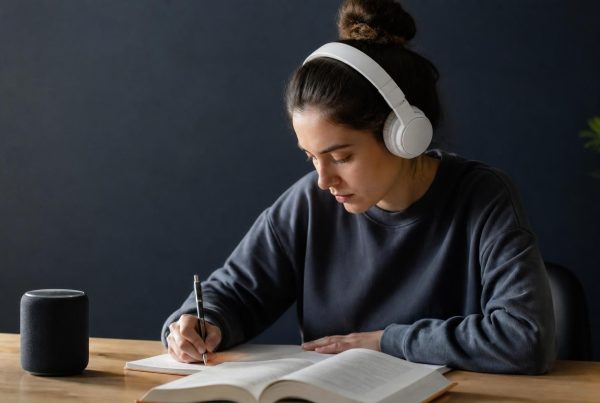
Finding the right auditory environment can transform productivity for individuals with ADHD. While silence might work for some, many people with attention differences discover that carefully selected music creates a structured sensory backdrop that enhances concentration. Understanding which specific characteristics make certain sounds effective for ADHD focus requires examining both neuroscience and practical application.
The Neuroscience Behind Music and ADHD Attention
The ADHD brain processes stimuli differently, often seeking novelty and struggling with sustained attention in monotonous environments. Music provides structured stimulation that can occupy the portion of the brain prone to distraction while allowing executive function areas to focus on tasks. This creates what researchers call an "optimal arousal state" where the mind receives enough sensory input to prevent wandering without becoming overwhelmed.
Recent research from Northeastern University on musical characteristics reveals that specific elements matter more than genre preferences. The temporal structure, frequency patterns, and amplitude modulation of soundscapes influence how effectively they support concentration. These findings align with what many ADHD individuals report through trial and error.
Dopamine Regulation Through Auditory Input
The dopamine system, which functions atypically in ADHD, responds to musical stimulation. Predictable rhythmic patterns can help regulate dopamine flow, creating steadier attention spans. This biological mechanism explains why music for ADHD focus often works better than complete silence, which may leave the understimulated ADHD brain searching for distraction.
Different tasks require different auditory environments. Complex cognitive work might benefit from minimal lyrics and consistent tempo, while repetitive tasks could handle more varied musical elements. Understanding this relationship helps individuals customize their sound environment for specific situations.
Characteristics of Effective Focus Music for ADHD
Not all music supports concentration equally. Certain structural elements consistently prove more effective for maintaining attention and reducing distractibility. Tempo, complexity, familiarity, and lyrical content all influence whether a soundscape enhances or disrupts focus.
Key Elements That Support ADHD Focus:
- Tempo consistency: 60-80 beats per minute often matches optimal cognitive processing speeds
- Minimal or absent lyrics: Reduces linguistic processing interference with reading or writing tasks
- Predictable patterns: Creates stable auditory environment without surprising elements
- Moderate complexity: Engaging enough to prevent mind-wandering but not distracting
- Frequency balance: Certain frequencies support alertness while others promote calm
Research shows that amplitude-modulated sounds may improve sustained attention in adults with ADHD symptoms. These modulations create gentle variations in sound intensity that keep the auditory system engaged without causing distraction.
Genre Considerations and Personal Preferences
While individual preferences vary significantly, certain categories consistently appear in discussions about music for ADHD focus. Classical music, particularly baroque compositions, ambient electronic music, and nature sounds each offer distinct advantages. The critical factor involves matching the music's characteristics to both the task requirements and personal sensory preferences.
| Music Type | Typical BPM | Complexity Level | Best For |
|---|---|---|---|
| Baroque Classical | 60-70 | Moderate | Reading, studying, detailed work |
| Ambient Electronic | 70-90 | Low to Moderate | Creative tasks, writing |
| Nature Sounds | Variable | Low | Reducing overwhelm, gentle focus |
| Lo-fi Hip Hop | 80-95 | Moderate | Repetitive tasks, coding |
| Binaural Beats | 40-100 | Low | Meditation, deep concentration |
Binaural beats have shown promise for some individuals with ADHD, though results vary. These audio illusions create a perceived third tone when different frequencies play in each ear, potentially influencing brainwave patterns associated with focus states.
Building a Personalized Sound Strategy
Creating an effective auditory environment requires systematic experimentation and honest self-assessment. What works during morning work sessions might differ from afternoon energy slumps. Environmental factors, medication timing, task difficulty, and stress levels all influence which soundscapes prove most beneficial.
Start by identifying current patterns. Notice when concentration feels strongest and whether sound plays a role. Track which activities benefit from music and which require silence. This awareness forms the foundation for intentional auditory design rather than random playlist selection.
Practical Implementation Steps
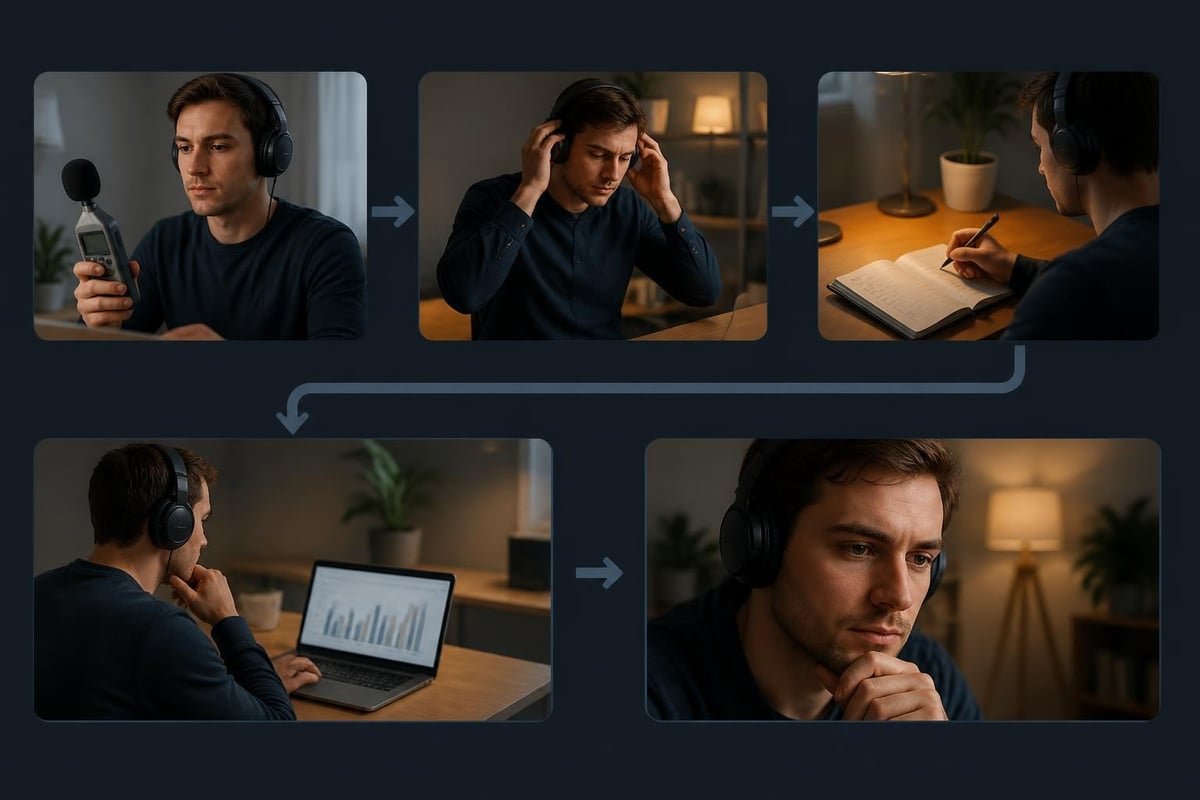
Testing Different Sound Environments:
- Establish baseline conditions: Work in silence for a specific task duration and note attention quality
- Introduce one variable: Add a single type of music or sound and repeat the same task
- Document subjective experience: Rate focus quality, task completion, and mental fatigue
- Compare multiple options: Test various tempos, genres, and complexity levels
- Identify patterns: Determine which characteristics consistently support your concentration
This methodical approach reveals personal preferences that might contradict general recommendations. Some individuals with ADHD find that familiar songs with lyrics work better than ambient sounds, despite conventional wisdom suggesting otherwise. The goal involves discovering your unique auditory profile rather than following prescriptive rules.
Music Therapy and Structured Interventions
Beyond passive listening, music therapy for ADHD employs active engagement with musical elements to address attention challenges. Trained music therapists design interventions that target specific executive function deficits through rhythm exercises, improvisation, and structured listening activities.
Meta-analyses reveal moderate to large effects on impulsivity when music therapy supplements other ADHD treatments. These interventions work by strengthening neural pathways involved in attention control, working memory, and inhibitory function. The multisensory nature of music engages multiple brain regions simultaneously, creating integrated learning experiences.
Active Versus Passive Musical Engagement
Passive listening to music for ADHD focus differs significantly from active music-making. Learning an instrument demands sustained attention, sequential processing, and delayed gratification, all challenging areas for ADHD individuals. Regular practice builds these executive function muscles while providing immediate feedback and dopamine rewards through mastery experiences.
However, during focused work sessions, active music engagement typically proves counterproductive. The cognitive resources required for task completion leave little capacity for simultaneous musical participation. This distinction clarifies when to use music as a supportive backdrop versus when to engage with it directly for skill development.
Addressing Common Challenges and Misconceptions
Many people assume that any enjoyable music will support concentration, but music for ADHD focus requires more nuanced selection. Highly stimulating music might feel energizing yet fragment attention across multiple elements. Conversely, music that bores the listener fails to provide sufficient stimulation to prevent mind-wandering.
Common Pitfalls to Avoid:
- Playing music too loudly, which overwhelms rather than supports focus
- Frequently changing songs or playlists, creating interruptions
- Using music with strong emotional associations that trigger reminiscence
- Relying exclusively on music without addressing other focus strategies
- Expecting immediate results without allowing adaptation time
The adaptation period matters significantly. Introducing music for ADHD focus requires consistent use over several weeks before the brain fully adjusts to using auditory input as a concentration tool. Initial sessions might feel distracting as the mind learns to filter background sound appropriately.
Volume and Environmental Factors
Volume calibration proves crucial for effectiveness. Too quiet fails to mask environmental distractions, while too loud creates additional sensory burden. The ideal volume allows awareness of the music without demanding active attention. Many successful users describe their optimal level as "barely noticeable" once they engage with their primary task.
External noise presents additional complexity. Open office environments, household activities, or street sounds might require different musical approaches than quiet spaces. Some individuals layer white noise beneath music to create fuller sound masking, while others find this combination overwhelming rather than helpful.
Science-Backed Approaches to Sound Therapy
Narrative reviews examining music interventions for ADHD highlight multiple psychological mechanisms at work. Beyond dopamine regulation, music influences arousal levels, emotional states, and sensory processing. Understanding these mechanisms helps explain why music for ADHD focus works differently than simple distraction or entertainment.
Acoustic researchers collaborating with focus tool developers apply this scientific knowledge to soundscape design. Rather than selecting commercially available music, they construct audio environments specifically engineered to support concentration. These purpose-built sounds incorporate research findings about frequency ranges, rhythmic patterns, and modulation characteristics that enhance cognitive performance.
| Mechanism | How It Works | Practical Application |
|---|---|---|
| Arousal Modulation | Adjusts alertness levels up or down | Match tempo to desired energy state |
| Selective Attention | Provides consistent focus anchor | Use predictable patterns during detail work |
| Emotional Regulation | Influences mood and stress response | Choose calming sounds during high-pressure tasks |
| Sensory Filtering | Trains brain to ignore irrelevant stimuli | Practice maintaining focus despite background sound |
These mechanisms interact dynamically throughout work sessions. As mental fatigue increases, the same soundscape might shift from supportive to distracting. Developing awareness of these fluctuations allows for real-time adjustments rather than rigid adherence to predetermined playlists.

Integration With Broader Focus Strategies
Music for ADHD focus works most effectively as one component of comprehensive attention management. Combining auditory optimization with movement breaks, environmental design, task structuring, and micro-habits creates synergistic benefits. Sound therapy approaches complement rather than replace other evidence-based ADHD strategies.
Timing matters when introducing multiple interventions simultaneously. Adding too many changes at once makes it impossible to identify which elements contribute to improved focus. Sequence new strategies methodically, allowing adequate time to assess individual impact before layering additional modifications.
Building Sustainable Habits Around Sound
Consistency transforms occasional music use into reliable focus support. Creating trigger associations helps, such as starting specific playlists for particular task types or using the same soundscape each morning. These associations build neural pathways that prime the brain for concentration when familiar auditory patterns begin.
Developing Sustainable Sound Habits:
- Designate specific playlists for different work modes (deep focus, creative thinking, administrative tasks)
- Use the same opening track as a concentration ritual that signals work time
- Maintain volume and device consistency to reduce decision fatigue
- Schedule regular reviews of what's working and adjust accordingly
- Combine sound strategies with other sensory supports (lighting, temperature, workspace organization)
Technology can support or undermine these habits. Streaming services offering endless options create decision paralysis and browsing distractions. Curating finite playlists or using dedicated focus apps reduces friction between intention and implementation. The goal involves making productive sound choices the path of least resistance.
Measuring Effectiveness and Adjusting Approaches
Subjective impressions of focus quality don't always correlate with actual performance. Implementing simple metrics provides objective feedback about whether music for ADHD focus genuinely improves outcomes. Track task completion rates, error frequencies, time to task initiation, or sustained attention duration across different auditory conditions.
Digital tools can automate some measurement aspects while keeping tracking burdens minimal. Simple spreadsheets documenting daily focus ratings alongside sound choices reveal patterns over weeks and months. This data-driven approach removes guesswork and emotional bias from assessment.
Recognizing When Adjustments Are Needed
Music that initially supported focus might lose effectiveness as familiarity breeds inattention or as work demands shift. Regular reassessment prevents stagnation and identifies when refreshing soundscapes would restore benefits. Seasonal changes, life stressors, or medication adjustments all warrant sound strategy review.
Warning signs that current approaches need modification include increasing restlessness during work sessions, frequently pausing or changing music, noticing the music more than the task, or declining performance metrics despite consistent effort. These indicators suggest the auditory environment no longer serves its supporting role effectively.
Advanced Considerations for Specific Contexts
Different settings demand tailored approaches to music for ADHD focus. Remote work allows complete control over sound environments, while shared spaces require headphones or negotiation with others. Studying involves different cognitive demands than creative work or physical tasks, each benefiting from distinct auditory characteristics.
Headphone selection influences both sound quality and physical comfort during extended sessions. Over-ear models typically offer better sound isolation but may feel uncomfortable after hours of wear. In-ear options provide portability but sometimes lack bass frequencies that some individuals find grounding. Bone conduction headphones allow environmental awareness while delivering music, though sound quality differs from traditional designs.
Battery life, connectivity reliability, and ease of control all affect whether technology supports or disrupts focus. The best technical setup becomes invisible, requiring no attention or troubleshooting during work sessions. Simplicity often outperforms feature-rich complexity when the goal involves sustained concentration rather than audiophile enjoyment.
Contextual Adaptation Strategies
| Context | Primary Challenge | Recommended Approach |
|---|---|---|
| Open Office | Background conversations | Noise-masking soundscapes with consistent patterns |
| Home with Family | Interruptions and variable noise | Higher volume familiar music or noise-canceling headphones |
| Library/Quiet Space | Self-consciousness about sound leakage | Low-volume ambient sounds or bone conduction headphones |
| High-Stakes Tasks | Performance anxiety | Previously tested soundscapes, avoid experimentation |
| Creative Work | Balancing stimulation and space for ideas | Variable complexity, allow silence periods |
Environmental flexibility requires maintaining multiple curated options rather than relying on a single solution. Build a toolkit of soundscapes suited to different contexts, moods, and task requirements. This preparation eliminates decision-making when focus is already challenged.
Understanding how music for ADHD focus works at both neurological and practical levels empowers individuals to design personalized auditory environments that genuinely support concentration rather than simply providing pleasant background noise. The science reveals specific characteristics that enhance attention while individual experimentation identifies which combinations work best for your unique brain and circumstances. Freshhh.app combines these research-backed principles with soundscapes developed alongside acoustic researchers, plus practical micro-habits and strategies that help you build sustainable focus skills beyond just passive listening. Ready to train your mind while optimizing your sound environment? Explore how Freshhh.app creates the supportive sensory foundation your ADHD brain needs to thrive.