The gentle rhythm of ocean waves has captivated humans for millennia, serving as both a natural lullaby and a powerful tool for mental restoration. In 2026, as sleep challenges continue to affect millions of Americans, ocean waves sounds for sleep have emerged as one of the most scientifically validated approaches to improving rest quality. Unlike random white noise or artificial sounds, ocean acoustics carry specific frequency patterns that interact with our neurological systems in measurable ways. Understanding how these sounds work at a biological level can transform your approach to sleep preparation and help you make informed decisions about incorporating sound therapy into your nightly routine.
The Neurological Foundation of Ocean Sound Therapy
The human brain processes auditory information continuously, even during sleep. Ocean waves sounds for sleep work because they provide what researchers call "predictable unpredictability." Each wave follows a recognizable pattern while varying slightly in intensity, duration, and frequency. This characteristic prevents the brain from habituating to the sound completely, which would cause it to fade into the background ineffectively.
Research demonstrates that ocean sounds function as non-threatening auditory stimuli that reduce the brain's alertness response. When your auditory cortex encounters wave patterns, it processes them as familiar environmental cues rather than potential threats requiring attention. This reduces cortical arousal and allows your brain to shift toward sleep-promoting states more efficiently.
Frequency Patterns and Brain Wave Synchronization
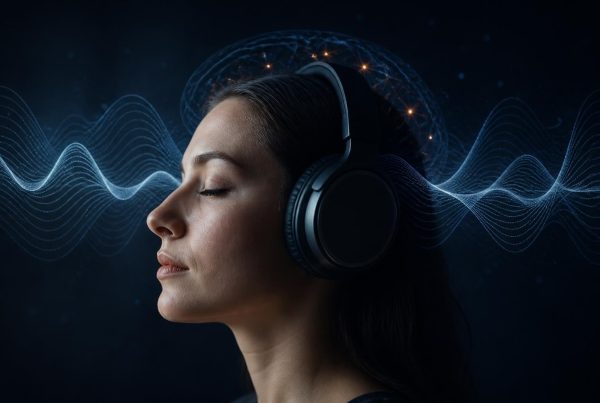
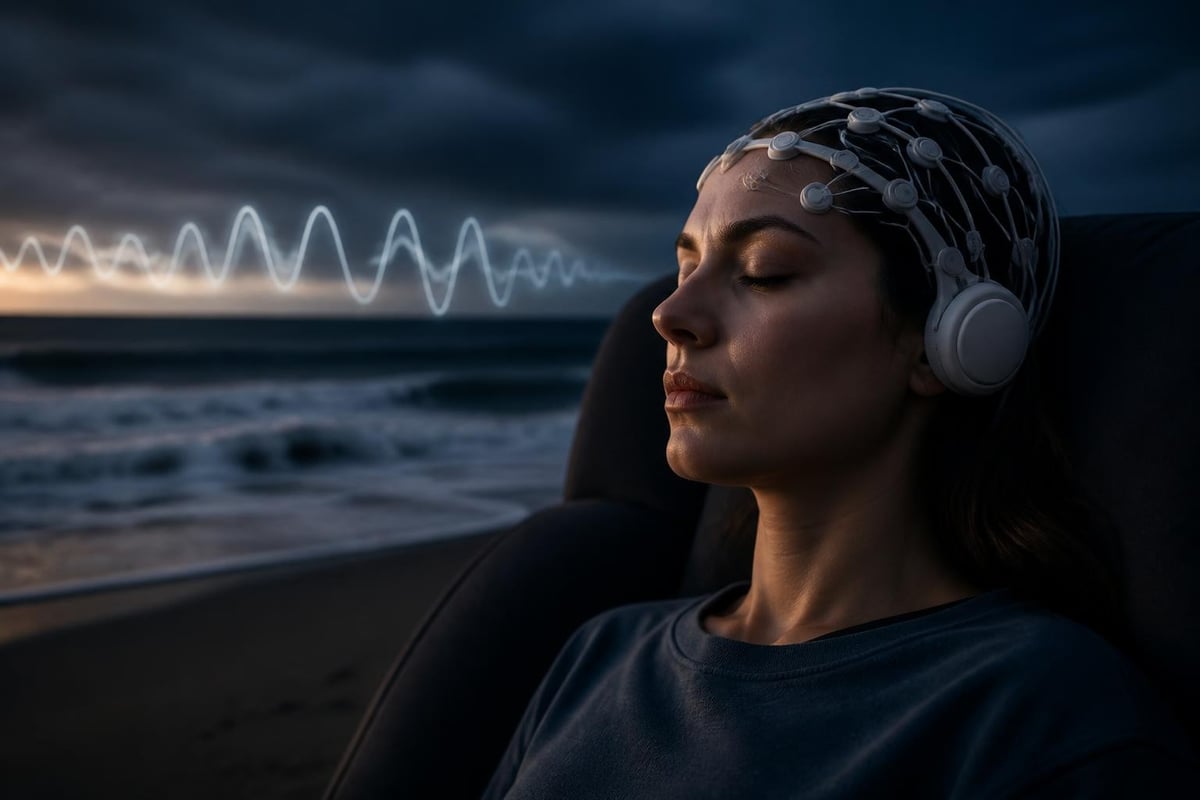
Ocean wave recordings typically contain frequencies between 50 Hz and 1000 Hz, with most energy concentrated in lower ranges. These frequencies overlap with the range of brain waves associated with relaxation and sleep preparation. When exposed to rhythmic ocean waves sounds for sleep, your brain demonstrates a phenomenon called frequency following response.
Key frequency interactions include:
- Delta waves (0.5-4 Hz): Deep sleep consolidation enhanced by low-frequency wave patterns
- Theta waves (4-8 Hz): Light sleep and drowsiness supported by rhythmic repetition
- Alpha waves (8-13 Hz): Relaxed wakefulness facilitated by consistent acoustic patterns
- Beta wave suppression: Reduction in active thinking and mental alertness
The neurological responses triggered by ocean acoustics prepare your body for restorative sleep by shifting dominant brain wave patterns from beta (alert) to alpha (relaxed) and eventually to theta and delta (sleep stages).
Masking Environmental Disruptions
One primary advantage of ocean waves sounds for sleep lies in their masking capacity. Urban and suburban environments contain unpredictable noise elements that trigger the brain's orienting response, a survival mechanism that directs attention toward novel stimuli. Traffic sounds, appliance cycles, voices, and structural noises all activate this response, fragmenting sleep even when you don't consciously wake.
Ocean soundscapes create what acousticians call a "stable auditory environment." The continuous, broadband nature of wave sounds effectively masks sudden acoustic events that would otherwise interrupt sleep cycles. Unlike silence, which leaves the auditory system vigilant for disruptions, ocean waves sounds for sleep provide consistent stimulation that reduces the contrast between ambient noise and environmental sounds.
Comparison of Sound Masking Effectiveness
| Sound Type | Frequency Range | Masking Capability | Sleep Stage Protection | Habituation Risk |
|---|---|---|---|---|
| Ocean Waves | 50-1000 Hz | Excellent | All stages | Low |
| White Noise | 20-20,000 Hz | Good | Light to moderate | Moderate |
| Pink Noise | Lower emphasis | Very Good | Deep sleep favorable | Low-Moderate |
| Brown Noise | Lowest emphasis | Good | Deep sleep favorable | Moderate |
| Rain Sounds | 200-2000 Hz | Good | Light to moderate | Moderate-High |
The stable, non-threatening auditory environment provided by ocean soundscapes reduces your brain's need to monitor the acoustic environment for threats, allowing deeper engagement with sleep processes.
Physiological Responses to Wave Acoustics
Beyond neurological effects, ocean waves sounds for sleep trigger measurable physiological changes that support rest. The parasympathetic nervous system, responsible for "rest and digest" functions, responds to rhythmic auditory patterns with increased activation. This manifests in several ways throughout your body.
Measurable physiological responses include:
- Heart rate variability improvement: The space between heartbeats becomes more variable, indicating relaxation
- Respiratory rate synchronization: Breathing naturally slows and deepens to match wave rhythms
- Cortisol reduction: Stress hormone levels decrease in response to calming soundscapes
- Blood pressure moderation: Systolic and diastolic pressures show downward trends during exposure
- Muscle tension release: Progressive relaxation occurs as the autonomic nervous system shifts
The rhythmic patterns that mirror natural breathing cycles create what researchers call entrainment, where physiological processes synchronize with external rhythms. This natural alignment makes the transition from wakefulness to sleep more seamless and supports deeper rest throughout the night.
Selecting Quality Ocean Wave Recordings
Not all ocean waves sounds for sleep deliver equal benefits. The quality of recordings, frequency composition, and production methods significantly impact effectiveness. Professional-grade recordings capture the full acoustic spectrum of natural wave environments, while lower-quality alternatives may miss crucial frequency ranges or introduce artifacts that reduce therapeutic value.
Essential Quality Factors
When evaluating ocean sound recordings, consider these technical specifications:
- Sample rate: Minimum 44.1 kHz for full frequency capture
- Bit depth: 16-bit or higher for dynamic range preservation
- Loop length: At least 30 minutes to prevent pattern recognition and disruption
- Frequency response: Full spectrum coverage without artificial boosting
- Background noise: Minimal intrusion from wind, equipment, or processing artifacts
High-quality recordings capture wave sounds from optimal distances and conditions. Recordings made too close to shore may emphasize harsh splashing, while those captured too far offshore might lack the rhythmic patterns that make ocean waves sounds for sleep effective. Professional sound therapy applications work with acoustic researchers to identify ideal recording parameters.
Integrating Ocean Sounds Into Sleep Hygiene
Ocean waves sounds for sleep work best when incorporated into a comprehensive sleep hygiene strategy. Sound alone cannot overcome poor sleep habits, but when combined with evidence-based practices, it amplifies the effectiveness of your bedtime routine.
Building an Effective Sound-Enhanced Routine
Create a structured approach to maximize benefits:
- Begin playback 30-45 minutes before target sleep time to allow your nervous system to respond
- Set volume at conversational level (approximately 50-60 decibels) for optimal masking without over-stimulation
- Maintain consistent timing to establish conditioned associations between sounds and sleep
- Combine with light reduction as your circadian system responds to both auditory and visual cues
- Practice progressive muscle relaxation while listening to enhance physical preparation
| Time Before Sleep | Activity | Sound Integration | Expected Benefit |
|---|---|---|---|
| 60 minutes | Dim lights, reduce screen time | Background ocean sounds at low volume | Circadian preparation |
| 45 minutes | Begin wind-down activities | Increase volume to moderate level | Stress hormone reduction |
| 30 minutes | Move to bedroom, prepare environment | Optimal therapeutic volume | Parasympathetic activation |
| 15 minutes | Lying in bed, breathing exercises | Continue steady playback | Heart rate variability improvement |
| Sleep onset | Final mental relaxation | Maintain consistent volume | Sleep transition support |
This graduated approach allows ocean waves sounds for sleep to work synergistically with your body's natural preparation processes rather than functioning as a standalone intervention.
Individual Variation and Optimization
Response to ocean waves sounds for sleep varies based on personal history, auditory sensitivity, and existing sleep patterns. Some individuals experience immediate benefits, while others require several weeks of consistent exposure to develop conditioned responses. Understanding this variability helps set realistic expectations and prevents premature abandonment of effective strategies.
Factors influencing individual response:
- Prior sound associations: Positive beach memories enhance effectiveness
- Auditory processing differences: Some people process frequencies more intensely
- Sleep disorder presence: Clinical conditions may require additional interventions
- Stress levels: Higher baseline stress extends adaptation periods
- Age-related hearing changes: Frequency perception shifts with aging
Experimentation with timing, volume, and duration allows you to identify optimal parameters for your specific neurology and circumstances. Some people benefit from all-night playback, while others prefer sounds only during sleep onset. Neither approach is inherently superior; effectiveness depends on individual response patterns.
Advanced Applications and Micro-Habits
Beyond basic playback, advanced users incorporate ocean waves sounds for sleep into targeted micro-habits that address specific sleep challenges. These brief, focused practices leverage sound therapy's neurological effects while building sustainable behavioral patterns.
Strategic Micro-Habit Development
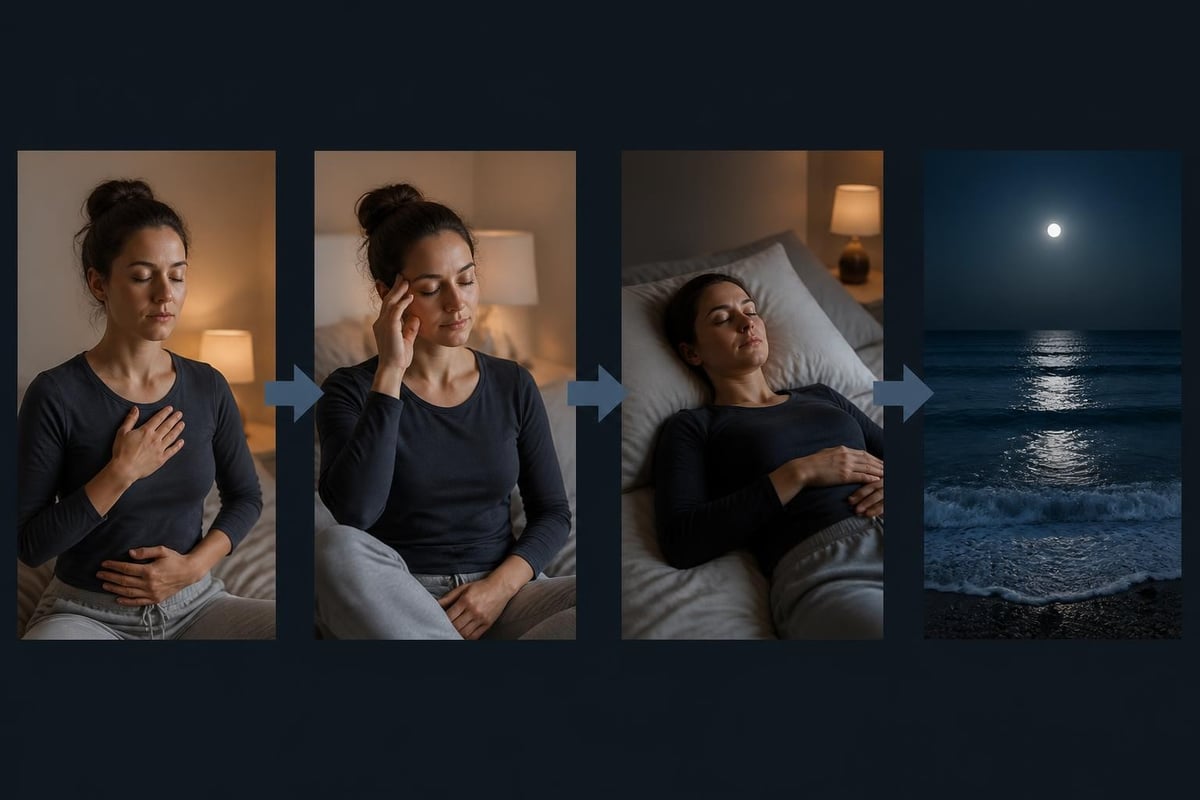
Power-down breathing protocol: Spend three minutes practicing 4-7-8 breathing (inhale for 4 counts, hold for 7, exhale for 8) while focusing on wave rhythms. This combines respiratory vagal nerve stimulation with auditory relaxation cues.
Cognitive defusion exercise: When intrusive thoughts arise, externalize them by imagining each thought as a wave that approaches, peaks, and recedes. This mindfulness technique uses ocean waves sounds for sleep as a metaphorical framework for thought management.
Progressive environmental scanning: Systematically relax each body region while mentally "placing" it on an imagined beach as waves wash over. This visualization practice enhances the somatic effects of ocean acoustics.
These micro-habits require minimal time investment while creating multiple entry points for sleep preparation. The compound effect of consistent practice builds robust associations between ocean sounds and rest states.
Technological Considerations and Delivery Methods
The method you use to deliver ocean waves sounds for sleep affects both acoustic quality and practical sustainability. Different technologies offer distinct advantages and limitations that impact long-term effectiveness.
Playback Technology Comparison
| Method | Frequency Accuracy | Convenience | Battery Concerns | Sleep Position Comfort |
|---|---|---|---|---|
| Speakers | Excellent | High | None | Excellent |
| Sleep headphones | Very Good | Moderate | Yes | Good |
| Pillow speakers | Good | High | None | Excellent |
| Earbuds | Excellent | Low | Yes | Poor |
| Smart devices | Very Good | Very High | None | Excellent |
Speakers provide the most natural sound field, allowing ocean waves sounds for sleep to fill your environment rather than being localized to your ears. This creates a more immersive experience that better mimics actual beach environments. However, partners with different sound preferences may require individual solutions.
Sleep-specific headphones offer a compromise, delivering high-quality audio without disturbing others. Modern versions use flat speakers that remain comfortable for side sleepers and incorporate features like automatic shutoff and wireless connectivity. The key consideration is ensuring technology doesn't become a sleep disruptor through comfort issues or battery anxiety.
Combining Ocean Sounds With Other Evidence-Based Approaches
Ocean waves sounds for sleep function most effectively within a multi-modal approach to rest optimization. Research consistently demonstrates that combined interventions produce superior outcomes compared to single-method strategies. Understanding complementary approaches allows you to build a comprehensive sleep support system.
Synergistic combination strategies:
- Temperature regulation: Cooler room temperatures (65-68°F) enhance sound therapy effectiveness
- Scheduled worry time: Address concerns earlier in evening to prevent rumination during sound exposure
- Caffeine timing: Cease intake 8-10 hours before bed to prevent interference with sound-induced relaxation
- Light spectrum management: Blue light reduction amplifies the circadian effects of evening sound routines
- Movement practices: Gentle stretching or yoga 2-3 hours before bed complements acoustic preparation
These elements work through different physiological pathways, creating multiple supports for sleep initiation and maintenance. Ocean waves sounds for sleep address the auditory and neurological dimensions while other practices target circadian, metabolic, and psychological factors.
Scientific Validation and Ongoing Research
The effectiveness of ocean waves sounds for sleep continues to receive scientific scrutiny through controlled studies and clinical applications. While traditional research on sleep sounds often focused on white noise, contemporary investigations specifically examine natural soundscapes and their unique properties.
Recent studies have explored the use of rhythmic acoustic stimulation to enhance sleep quality through the induction of slow oscillations. This research demonstrates that carefully structured sound patterns can actively improve sleep architecture rather than simply masking disruptions. The rhythmic nature of ocean waves aligns well with these findings, suggesting mechanisms beyond simple noise masking.
Advanced research has also examined multimodal approaches to sleep staging, emphasizing the importance of understanding how different sensory inputs affect sleep transitions. This work provides framework for optimizing ocean waves sounds for sleep by identifying which acoustic characteristics most strongly influence specific sleep stages.
As measurement technologies improve, researchers gain more precise understanding of how ocean acoustics interact with brain activity, hormonal rhythms, and autonomic nervous system function. This evolving knowledge base continues to refine recommendations for therapeutic sound application.
Addressing Common Misconceptions
Several misunderstandings about ocean waves sounds for sleep persist despite growing scientific evidence. Clarifying these misconceptions helps users develop realistic expectations and avoid ineffective practices.
Myth: Any ocean recording works equally well for sleep.
Reality: Recording quality, frequency composition, and loop length significantly impact effectiveness. Professional therapeutic recordings differ substantially from casual field recordings.
Myth: Louder ocean sounds produce better sleep results.
Reality: Excessive volume can increase arousal rather than promoting relaxation. Moderate levels (50-60 dB) typically prove optimal.
Myth: Ocean sounds work immediately for everyone.
Reality: Some individuals require consistent exposure over several weeks to develop conditioned relaxation responses.
Myth: Sound therapy replaces other sleep hygiene practices.
Reality: Ocean waves sounds for sleep work best as part of comprehensive sleep preparation, not as a standalone solution.
Understanding these realities allows you to approach sound therapy with appropriate expectations and integrate it effectively into your overall sleep strategy.
Customization and Personal Preference
While ocean waves represent the core sound profile, variations in wave characteristics allow for personalization based on individual preferences and responses. Some people respond better to gentler lapping sounds, while others prefer more substantial surf. This variability creates opportunities for optimization through experimentation.
Wave Characteristic Variations
Different ocean conditions produce distinct acoustic signatures:
- Gentle shore waves: Lower intensity, softer impacts, suitable for anxiety-prone individuals
- Medium surf: Balanced rhythm and intensity, most universally effective
- Heavy surf: More powerful sounds, effective for masking significant environmental noise
- Distant waves: Subdued quality with extended sound decay, preferred by some with auditory sensitivity
Testing different profiles helps identify which ocean waves sounds for sleep resonate most effectively with your nervous system. What works optimally for one person may feel too aggressive or too subtle for another, making personalization an important component of sound therapy effectiveness.
Ocean waves sounds for sleep offer a scientifically grounded approach to improving rest quality through neurological, physiological, and environmental mechanisms. By understanding how wave acoustics interact with your brain and body, you can strategically incorporate sound therapy into comprehensive sleep preparation routines that address multiple dimensions of rest optimization. Freshhh.app combines expert-crafted ocean soundscapes with practical micro-habits and research-based guidance, helping you build sustainable sleep practices that work with your unique neurology rather than against it. Experience how science-backed sound therapy and targeted behavioral strategies can transform your relationship with rest.