Finding quality rain sounds for sleeping no ads has become increasingly important as more people recognize the profound impact of uninterrupted audio on sleep quality. Advertisements that suddenly interrupt calming soundscapes can jolt you awake, spike cortisol levels, and completely derail the relaxation process. Whether you're dealing with insomnia, street noise, or simply want to optimize your sleep environment, access to continuous, ad-free rain audio represents a fundamental component of effective sleep hygiene. This guide explores the science behind why rain sounds work, how to find genuinely ad-free options, and the key features that separate effective sleep audio from mere background noise.
The Science Behind Rain Sounds and Sleep Quality
The effectiveness of rain sounds for sleeping isn't merely anecdotal comfort. Research demonstrates that specific auditory patterns can significantly influence sleep onset and quality. Studies on rain sounds and sleep mechanisms reveal that these natural soundscapes activate the parasympathetic nervous system, the branch of your autonomic nervous system responsible for rest and digest functions.
How Auditory Masking Creates Better Sleep Conditions
Rain sounds work through a principle called auditory masking. This phenomenon occurs when one sound makes another sound imperceptible to the human ear. Urban environments present numerous disruptive noises throughout the night:
- Sudden car horns or sirens
- Neighbors' footsteps or voices
- Traffic fluctuations
- HVAC systems cycling on and off
Continuous rain sounds create a consistent audio baseline that prevents these irregular noises from reaching your conscious awareness. Unlike white noise, which can feel harsh or artificial, rain sounds provide irregular patterns that the brain interprets as natural and non-threatening.
Brainwave Entrainment and Neural Synchronization
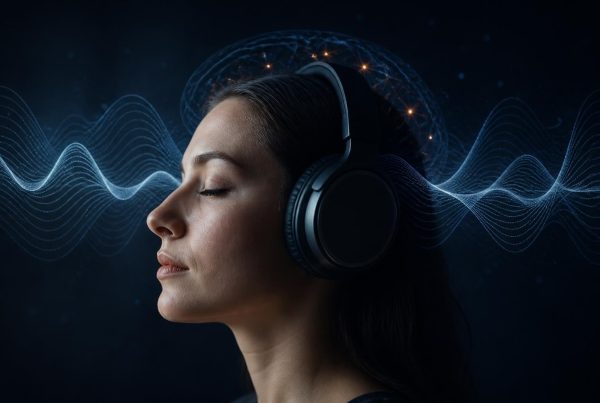
The scientific evidence on auditory stimuli for sleep induction demonstrates that rain sounds can influence brainwave patterns. When exposed to rhythmic, low-frequency sounds, the brain exhibits a tendency toward neural synchronization, gradually shifting from beta waves (alertness) to alpha and theta waves (relaxation) and eventually delta waves (deep sleep).
This process doesn't happen instantly. Quality rain sounds for sleeping no ads allow this natural progression to unfold without interruption, which is precisely why advertisements prove so detrimental to the process.
Why Ad-Free Rain Sounds Matter More Than You Think
The distinction between rain sounds with advertisements and rain sounds for sleeping no ads extends beyond mere convenience. The psychological and physiological impact of unexpected audio interruptions during sleep preparation or actual sleep can undermine weeks of progress in establishing healthy sleep patterns.
The Cortisol Spike Problem
When an advertisement suddenly plays at higher volume than your carefully adjusted rain sounds, your body interprets this as a potential threat. The sympathetic nervous system activates, releasing cortisol and adrenaline. This stress response:
- Elevates heart rate immediately
- Increases blood pressure
- Triggers alertness mechanisms
- Can take 20-30 minutes to fully dissipate
A single ad interruption can add significant time to your sleep onset latency, the period between lying down and actually falling asleep.
Cognitive Load and Sleep Anticipation Anxiety
Knowing that advertisements might interrupt your sleep creates anticipatory stress. Your subconscious remains partially vigilant, monitoring for potential disruptions rather than fully surrendering to rest. This cognitive load prevents the complete mental relaxation necessary for deep sleep stages.
| Sleep Disruption Type | Impact on Sleep Quality | Recovery Time |
|---|---|---|
| Sudden advertisement | High (cortisol spike) | 20-30 minutes |
| Volume fluctuation | Moderate to High | 15-20 minutes |
| Content interruption | Moderate (cognitive) | 10-15 minutes |
| Visual ads (screen-based) | Very High (blue light + audio) | 30-45 minutes |
Finding Legitimate Ad-Free Rain Sound Solutions
The market for sleep sounds has expanded dramatically, but not all "ad-free" claims prove accurate. Understanding the business models behind different platforms helps you identify truly uninterrupted rain sounds for sleeping no ads.
Dedicated Sleep Sound Applications
Several applications prioritize user experience over advertising revenue. Calma sounds app offers completely free, ad-free sleep sounds with customizable rain soundscapes and offline functionality. Their business model focuses on optional premium features rather than forcing advertisements on free users.
Similarly, Noctora’s high-fidelity ambient sounds provide rain audio without subscriptions or ads, demonstrating that sustainable ad-free models exist within the mobile app ecosystem.
YouTube Long-Form Content Strategy
YouTube presents a more complex landscape. While the platform typically serves ads, some creators produce extended content specifically designed for sleep. 12-hour continuous rain videos with black screens minimize mid-roll advertisement interruptions, though YouTube Premium remains the only guaranteed ad-free experience on the platform.
Content creators sometimes indicate "no ads" in titles, but YouTube's algorithm and policies can override these intentions. Always verify recent comments to confirm current ad status before relying on specific videos for sleep.
Browser-Based Sound Generators
Web-based rain sound generators offer another avenue for ad-free audio. These tools typically run JavaScript-generated sounds directly in your browser, eliminating the need for pre-recorded files that might include advertisements. However, sound quality can vary significantly, and some implementations create noticeable loops that become distracting.
Critical Features for Effective Sleep Audio
Not all rain sounds deliver equal benefits for sleep. When evaluating rain sounds for sleeping no ads, consider these essential characteristics that separate effective sleep audio from simple recordings.
Audio Quality and Bitrate Standards
Low-quality audio compression creates artifacts that your brain processes as irregular patterns, potentially interfering with relaxation. Professional sleep audio should maintain:
- Minimum 192 kbps bitrate for streaming
- 320 kbps or lossless formats for downloads
- Full-spectrum frequency response (20 Hz to 20 kHz)
- No clipping or distortion in louder passages
Keep Calm’s high-definition rain sounds exemplify the standard for audio quality in sleep soundscapes, offering endless loops that maintain fidelity throughout extended playback.
Loop Length and Seamlessness
The human brain excels at pattern recognition. Short audio loops (under 10 minutes) become recognizable and potentially distracting. Quality rain sounds for sleeping no ads utilize:
- Procedural generation that creates unique patterns continuously
- Extended recordings (30+ minutes) with seamless loop points
- Layered audio tracks that cycle at different intervals, creating variation
- Natural fade transitions that prevent audible "seams"
Customization and Sound Layering
Individual preferences for rain sounds vary considerably. Some people prefer gentle drizzle, while others find heavy downpours more effective. Advanced platforms allow you to:
- Adjust rain intensity independently
- Layer thunder sounds at custom intervals
- Add complementary sounds (wind, distant thunder, forest ambiance)
- Control frequency emphasis (more bass or treble)
This personalization ensures the soundscape matches your specific neurological responses to auditory stimuli.
Technical Implementation for Optimal Results
Having access to quality rain sounds for sleeping no ads represents only half the equation. Proper technical setup maximizes their effectiveness while preventing common pitfalls that undermine sleep quality.
Device Selection and Audio Output
The device you use for playback significantly impacts sound quality and sleep hygiene. Consider these priorities:
Smartphones: Convenient but require careful management. Enable airplane mode to prevent notifications, set display to turn off completely, and position the device away from your head to minimize EMF exposure.
Dedicated speakers: Small Bluetooth speakers placed across the room create ambient sound without the blue light concerns of screens. Ensure speakers maintain consistent volume without dynamic range compression.
Sleep headphones: Specialized flat headphones designed for side sleepers work well for people with partners who prefer silence. Avoid standard earbuds that create pressure points.
Volume Calibration Strategy
Proper volume setting requires more nuance than simply finding a "comfortable" level. Research on sleep and cognitive outcomes emphasizes the importance of audio environments that support rather than dominate the soundscape.
Follow this calibration process:
- Start at a very low volume, barely audible
- Gradually increase until you can clearly distinguish individual raindrops
- Reduce volume by approximately 20-30%
- The result should mask external noise without demanding conscious attention
This sweet spot allows the rain sounds to work subconsciously without becoming a focal point of awareness.
Scheduling and Sleep Architecture
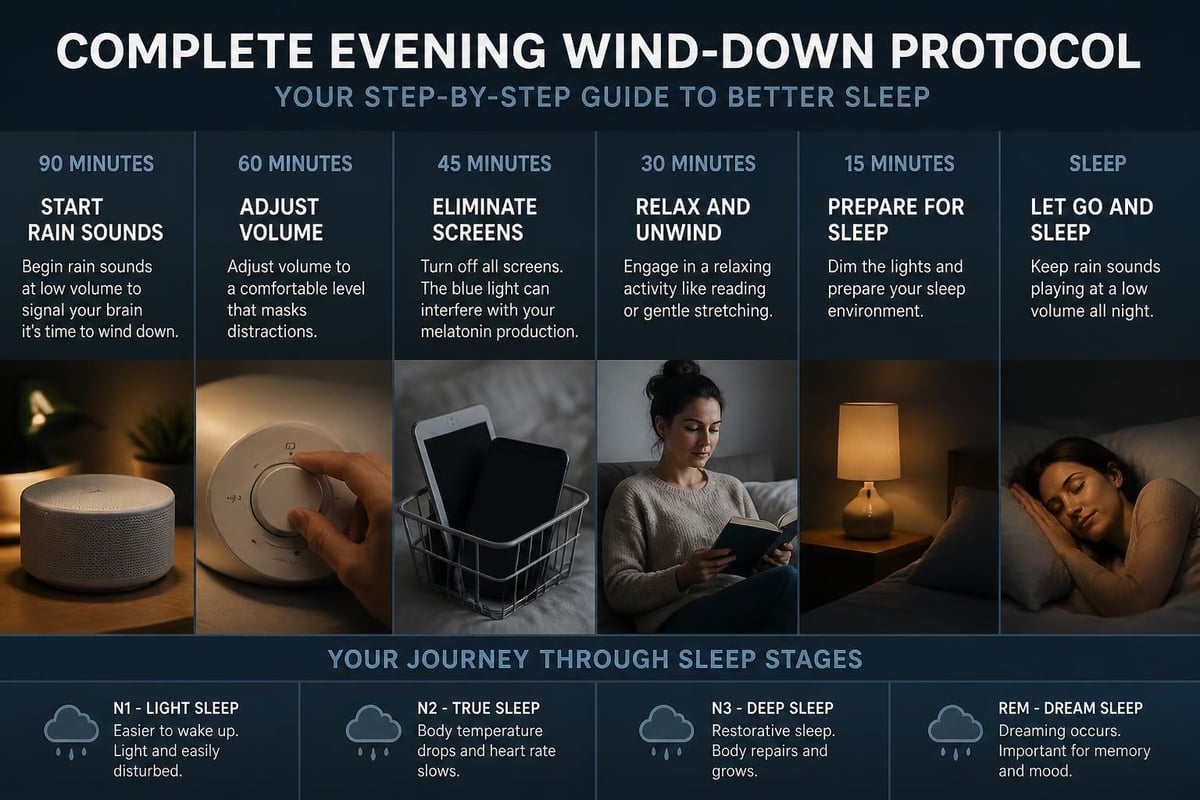
Freshhh.app takes a comprehensive approach to sound therapy by integrating audio with sleep preparation routines. Rather than simply playing sounds, consider building a complete wind-down protocol:
- 60 minutes before bed: Begin dimming lights and reducing screen time
- 30 minutes before bed: Start rain sounds at medium volume during preparation activities
- Lights out: Reduce rain sound volume to calibrated sleep level
- Morning: Use gradual volume increase as a gentle wake mechanism (if your platform supports it)
This structured approach helps establish consistent sleep cues that strengthen over time.
Alternative Platforms and Emerging Technologies
The landscape of rain sounds for sleeping no ads continues to evolve with new technologies and distribution methods. Understanding these developments helps future-proof your sleep sound strategy.
Privacy-Focused Applications
Growing awareness of data privacy has spawned applications that emphasize user anonymity. Quietide’s nature soundscapes operate with no tracking or data collection, appealing to users concerned about sleep pattern data being monetized or shared.
These platforms typically fund development through optional one-time purchases rather than subscriptions, creating aligned incentives between developers and users seeking truly ad-free experiences.
Spatial Audio and Binaural Recording
Advanced recording techniques create three-dimensional soundscapes that more closely replicate natural rain experiences. Binaural recordings use specialized microphone configurations that capture directional audio information, allowing your brain to process the sound as if you were physically present in a rain environment.
This enhanced realism may increase effectiveness for some users, though the benefits depend on individual neurological processing patterns.
Integration with Smart Home Ecosystems
Modern smart home platforms enable sophisticated audio automation. You can program rain sounds to:
- Begin automatically at scheduled bedtimes
- Adjust volume based on ambient noise sensors
- Fade out gradually as morning approaches
- Sync with smart lighting systems for complete environmental control
These integrations require initial setup but create consistent, hands-free sleep environments once configured.
Troubleshooting Common Rain Sound Challenges
Even with quality rain sounds for sleeping no ads, some users encounter obstacles that prevent optimal results. Addressing these common issues restores effectiveness.
Adaptation and Habituation
The brain's remarkable plasticity can work against you when it becomes too accustomed to specific sounds. If rain sounds lose effectiveness after weeks or months, try these solutions:
- Rotate between different rain types (light drizzle, heavy rain, rain on various surfaces)
- Take periodic "sound breaks" using silence or alternative nature sounds
- Adjust playback parameters like equalization or volume patterns
- Combine rain with complementary sounds in new configurations
Partner Compatibility Issues
When sharing a bedroom, sound preferences may conflict. Negotiating sleep sound use requires:
- Testing periods: Alternating nights to fairly evaluate comfort levels
- Volume optimization: Finding the minimum effective level for the rain sound user
- Directional speakers: Positioning audio sources to minimize exposure for the non-user
- Compromise solutions: Exploring sounds both partners find acceptable
Communication and flexibility prove essential for maintaining both relationship harmony and sleep quality.
Travel and Consistency Maintenance
Maintaining sleep quality during travel presents unique challenges. Portable solutions for rain sounds for sleeping no ads include:
| Solution | Advantages | Limitations |
|---|---|---|
| Downloaded mobile app audio | No internet required, familiar sounds | Battery drain, storage space |
| Small Bluetooth speaker | Better sound quality than phone | Extra item to pack |
| Sleep headphones | Works in any noise environment | Comfort varies by product |
| Browser bookmarks | Works on any device | Requires internet connection |
Preparing multiple backup options ensures consistent access regardless of travel circumstances.
Building Sustainable Sleep Sound Habits
Long-term success with rain sounds for sleeping no ads requires integration into broader sleep hygiene practices. Isolated interventions rarely produce lasting results without supporting behaviors.
Consistency Creates Neurological Associations
Your brain learns through repetition and pattern recognition. Using rain sounds consistently at the same time each night creates powerful sleep cues. This classical conditioning means the sounds themselves begin triggering relaxation responses even before their auditory masking effects take hold.
Maintain consistency for minimum 21-30 days before evaluating effectiveness, as neural pathway development requires time.
Combining Sound Therapy with Evidence-Based Practices
Rain sounds amplify the benefits of comprehensive sleep hygiene but shouldn't replace fundamental practices:
- Maintaining consistent sleep and wake times
- Creating cool, dark bedroom environments (65-68°F optimal)
- Limiting caffeine intake after 2 PM
- Establishing screen-free periods before bed
- Managing stress through dedicated relaxation techniques
Research on sleep quality and cognitive outcomes demonstrates that multimodal approaches yield superior results compared to single interventions.
Measuring and Tracking Sleep Improvements
Subjective sleep quality assessment provides valuable feedback but consider objective measurements:
- Sleep onset latency (time to fall asleep)
- Number of nighttime awakenings
- Total sleep duration
- Morning alertness and cognitive clarity
- Daytime energy patterns
Track these metrics weekly rather than daily to identify meaningful trends without obsessive monitoring that can create performance anxiety around sleep.
Quality rain sounds for sleeping no ads provide powerful support for better rest, but they work best as part of a comprehensive approach to sleep optimization. The science confirms that uninterrupted, properly calibrated audio can facilitate faster sleep onset and improved sleep architecture by engaging natural neurological processes. If you're ready to move beyond passive listening and develop sustainable focus and calm practices, Freshhh.app combines research-backed soundscapes with practical micro-habits that train your mind for deeper concentration and genuine stress reduction. Transform your relationship with sound therapy by building skills that serve you in sleep, work, and daily life.