Modern life demands constant attention, quick decisions, and endless multitasking. Your mind processes thousands of thoughts daily while managing work responsibilities, personal relationships, and information overload. This relentless mental activity creates tension that accumulates over time, affecting your concentration, mood, and overall well-being. Learning to relax your mind is not just about temporary relief but developing sustainable habits that train your brain to manage stress more effectively.
Understanding Mental Tension and Its Impact
Mental tension manifests differently than physical stress, though the two are deeply interconnected. Your brain responds to perceived threats by activating the sympathetic nervous system, releasing cortisol and adrenaline. While this response serves you well in genuinely dangerous situations, chronic activation from daily stressors creates a cycle of mental fatigue.
When you fail to relax your mind regularly, cognitive functions decline measurably. Research shows that sustained stress impairs working memory, reduces decision-making quality, and diminishes creative problem-solving abilities. Your prefrontal cortex, responsible for executive function, becomes less efficient under chronic tension.
The Neuroscience of Mental Relaxation
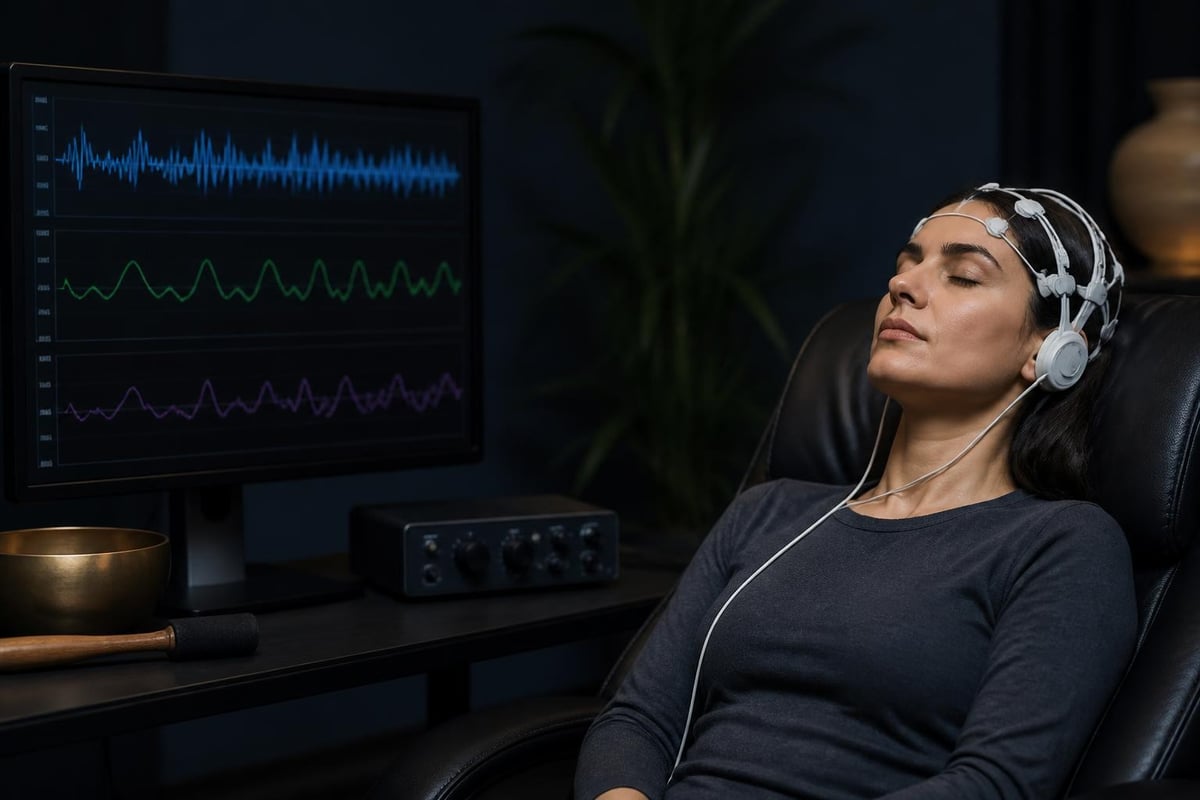
Your brain operates in distinct states characterized by different brainwave patterns. Beta waves dominate during active thinking and problem-solving, while alpha waves emerge during relaxed awareness. Theta waves appear during deep meditation and light sleep, facilitating memory consolidation and creative insights.
The ability to shift between these states voluntarily represents a trainable skill. Relaxation techniques activate the parasympathetic nervous system, counteracting stress responses and promoting mental clarity. This physiological shift reduces heart rate, lowers blood pressure, and decreases muscle tension throughout your body.
Science-Backed Methods to Relax Your Mind
Multiple evidence-based approaches help train your mind toward greater calm and focus. The key lies in consistent practice rather than perfection. Each technique works through different mechanisms, allowing you to choose methods that align with your preferences and lifestyle.
Controlled Breathing Techniques
Breathing directly influences your autonomic nervous system through the vagus nerve. Deliberate breath control activates parasympathetic responses almost immediately, making it one of the fastest ways to relax your mind.
Box Breathing Method:
- Inhale slowly through your nose for four counts
- Hold your breath for four counts
- Exhale completely through your mouth for four counts
- Hold empty for four counts
- Repeat for five to ten cycles
4-7-8 Breathing Technique:
- Breathe in through your nose for four counts
- Hold your breath for seven counts
- Exhale forcefully through your mouth for eight counts
- Complete four full cycles
The National Center for Complementary and Integrative Health recognizes controlled breathing as a foundational relaxation practice with substantial research support. Regular practice strengthens your ability to shift from stress states to calm awareness within minutes.
Progressive Muscle Relaxation
This systematic technique helps you identify and release physical tension that contributes to mental stress. By deliberately tensing and relaxing muscle groups sequentially, you develop greater body awareness and learn to recognize early signs of stress accumulation.
- Start with your feet: Curl your toes tightly for five seconds, then release completely
- Move to calves: Flex your calf muscles, hold, then relax
- Progress through thighs, abdomen, chest, hands, arms, shoulders, neck, and face
- Notice the difference between tension and relaxation in each area
This practice trains your mind to associate the relaxed state with a specific physical sensation, making it easier to relax your mind on demand throughout your day.
Mindfulness Meditation Practices
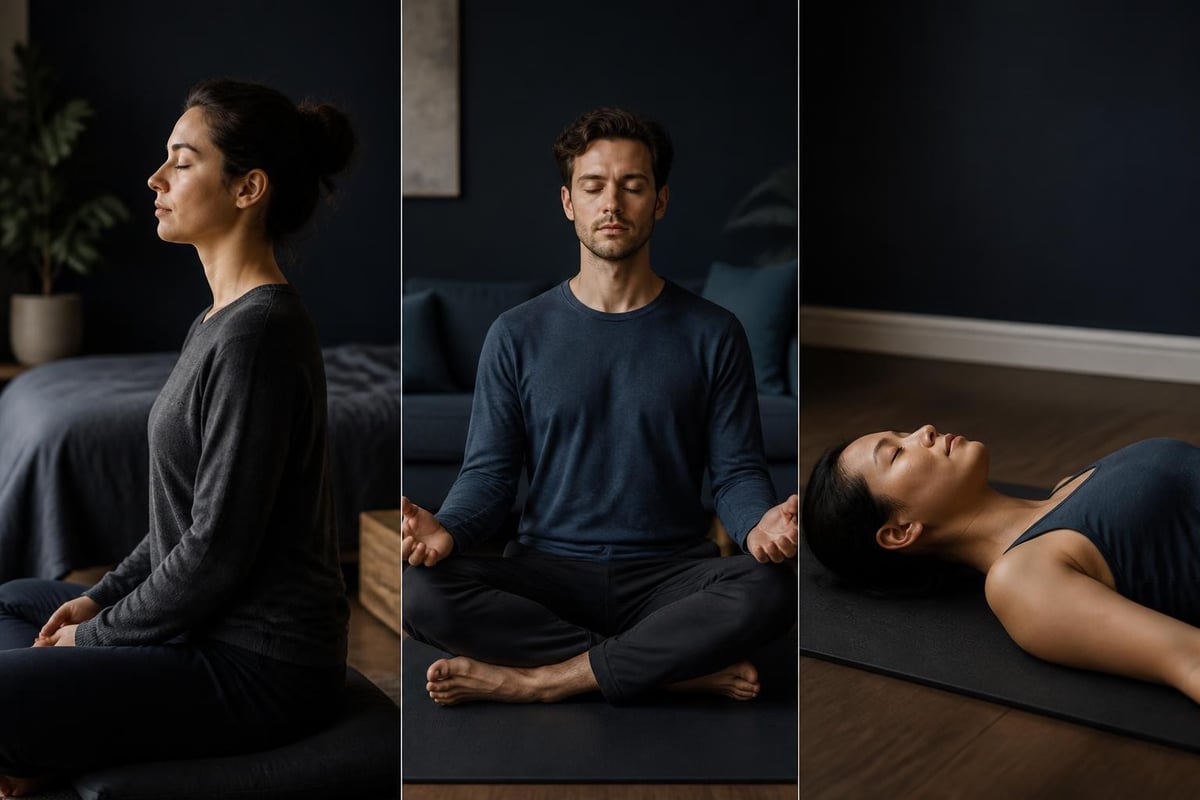
Mindfulness involves observing your thoughts without judgment or attachment. Rather than trying to empty your mind, you acknowledge thoughts as they arise and gently redirect attention to an anchor point such as your breath, body sensations, or ambient sounds.
Basic Mindfulness Session:
| Duration | Activity | Focus |
|---|---|---|
| 2 minutes | Settling in | Find comfortable position, set intention |
| 5 minutes | Breath awareness | Notice natural breathing rhythm |
| 10 minutes | Open monitoring | Observe thoughts, return to breath |
| 3 minutes | Body scan | Notice sensations from head to toe |
Research demonstrates that consistent mindfulness practice literally changes brain structure. The prefrontal cortex thickens, the amygdala (fear center) becomes less reactive, and neural pathways supporting emotional regulation strengthen over time.
Sound Therapy for Mental Relaxation
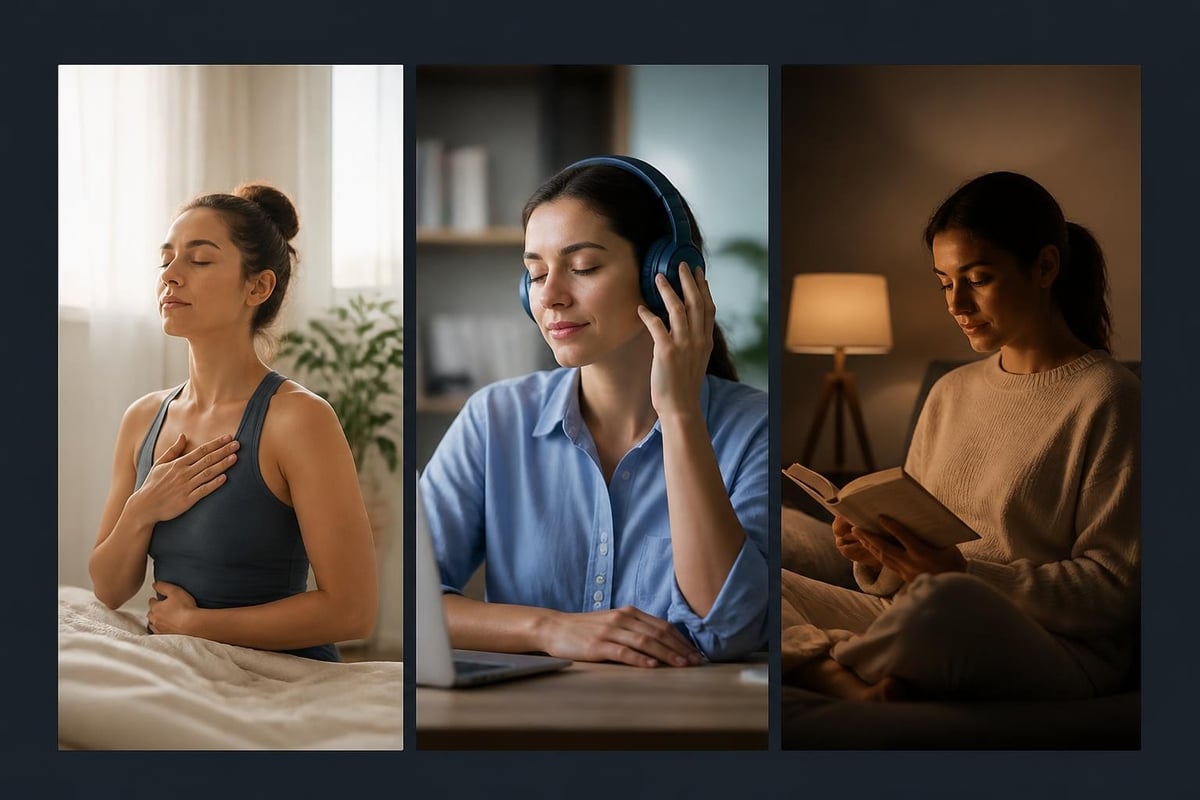
Acoustic stimulation offers a unique pathway to relax your mind through carefully designed soundscapes. Unlike passive listening, therapeutic sound engages specific neural networks that influence mood, attention, and stress responses.
How Sound Influences Brain States
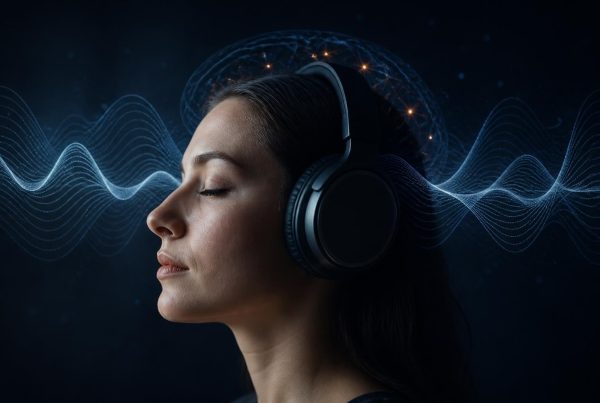
Your brain synchronizes with rhythmic auditory stimuli through a process called entrainment. When exposed to sounds with specific frequencies and patterns, your brainwaves gradually align with those rhythms. This phenomenon allows targeted soundscapes to guide your mind toward desired states.
Frequency Ranges and Mental States:
- Delta (0.5-4 Hz): Deep sleep, healing, unconscious processes
- Theta (4-8 Hz): Meditation, creativity, REM sleep, emotional processing
- Alpha (8-13 Hz): Relaxed focus, calm awareness, light meditation
- Beta (13-30 Hz): Active thinking, alertness, problem-solving
White noise, pink noise, and brown noise each create different effects on mental activity. Pink noise, with its balanced frequency distribution, shows particular promise for improving focus and reducing mental distraction.
Implementing Sound-Based Relaxation
Cleveland Clinic recommends combining sound with other relaxation techniques for enhanced effectiveness. The multi-sensory approach creates stronger neural associations and faster state transitions.
Effective Sound Practice Guidelines:
- Schedule dedicated sessions: Consistency matters more than duration
- Use quality headphones: Proper audio reproduction ensures accurate frequency delivery
- Combine with breathing: Sync breath patterns with sound rhythms
- Track your response: Notice which soundscapes produce the deepest relaxation
- Adjust volume appropriately: Sound should support, not dominate your awareness
Working with Freshhh.app provides access to soundscapes developed through collaboration with acoustic researchers, specifically designed to support mental relaxation while training your mind's natural ability to achieve calm states independently.
Building Sustainable Mental Relaxation Habits
Single relaxation sessions provide temporary relief, but lasting change requires habit formation. Your brain strengthens neural pathways through repetition, making relaxation responses more automatic and accessible over time.
Micro-Habits for Daily Practice
Small, consistent actions accumulate into significant mental resilience. Rather than attempting hour-long meditation sessions, focus on brief practices integrated throughout your day.
Morning Mental Reset:
- Two minutes of conscious breathing upon waking
- Set a single intention for maintaining mental clarity
- Notice three things you appreciate before checking devices
Midday Mental Breaks:
- Five-minute sound therapy session during lunch
- Progressive muscle relaxation at your desk
- Brief walk with attention on sensory experience
Evening Mental Wind-Down:
- Ten minutes of guided relaxation before bed
- Journal three thoughts you're releasing from the day
- Practice gratitude reflection while avoiding screens
Kaiser Permanente emphasizes the mind-body connection in relaxation practices, noting that mental relaxation often requires addressing physical tension simultaneously.
Movement-Based Mental Relaxation
Physical activity provides a counterintuitive but highly effective method to relax your mind. Exercise reduces stress hormones, increases endorphin production, and provides mental distance from rumination.
Rhythmic Exercise for Mental Clarity
Activities involving repetitive movement patterns create meditative states while improving physical health. Harvard Health Publishing explores how exercise activates relaxation responses through multiple biological pathways.
Relaxing Movement Options:
| Activity | Mental Benefit | Recommended Duration |
|---|---|---|
| Walking | Reduces rumination, promotes creative thinking | 20-30 minutes |
| Swimming | Full-body relaxation, rhythmic breathing practice | 30-45 minutes |
| Yoga | Combines movement, breath, mindfulness | 20-60 minutes |
| Tai Chi | Slow, controlled motion enhances mind-body awareness | 15-30 minutes |
| Cycling | Steady rhythm supports meditative state | 30-60 minutes |
The key distinguishing factor is attention quality. When you move with awareness rather than distraction, exercise becomes a moving meditation that trains your ability to relax your mind while maintaining physical engagement.
Cognitive Approaches to Mental Relaxation
Your thoughts directly influence your stress levels. Cognitive techniques help you recognize and modify thought patterns that perpetuate mental tension, creating space for greater calm.
Thought Observation Without Attachment
Many people struggle to relax your mind because they fight against unwanted thoughts. This resistance creates additional tension. Instead, practice observing thoughts as temporary mental events rather than facts requiring action.
Cognitive Defusion Steps:
- Notice when a stressful thought appears
- Label it: "I'm having the thought that…"
- Acknowledge it without arguing or analyzing
- Return attention to your chosen anchor (breath, sound, sensation)
- Repeat as often as necessary without self-criticism
MedlinePlus provides guidance on various relaxation techniques for stress, including cognitive approaches that complement physical relaxation methods.
Visualization and Guided Imagery
Your brain responds to vivid mental imagery similarly to actual experiences. This phenomenon allows you to relax your mind by creating detailed mental scenarios associated with calm and safety.
Effective Visualization Practice:
- Choose a specific place associated with peace (beach, forest, mountain)
- Engage all senses: What do you see, hear, smell, feel, taste?
- Spend three to five minutes building rich sensory details
- Notice your body's response as mental imagery develops
- Return to this scene whenever you need mental refuge
Environmental Optimization for Mental Relaxation
Your physical environment significantly impacts your ability to achieve mental calm. Strategic modifications create spaces that support rather than hinder relaxation efforts.
Sensory Environment Management
Visual Elements:
- Reduce visual clutter that demands cognitive processing
- Use natural light when possible, warm artificial light in evenings
- Incorporate natural elements (plants, wood, stone)
- Limit exposure to bright screens before relaxation practice
Auditory Considerations:
- Minimize unpredictable noise interruptions
- Use consistent background soundscapes during focus periods
- Create quiet zones for deep relaxation practice
- Consider noise-canceling headphones in shared spaces
Temperature and Air Quality:
- Maintain comfortable temperature (slightly cool promotes alertness)
- Ensure adequate ventilation and fresh air circulation
- Consider air purifiers to reduce allergens and irritants
- Adjust humidity levels to personal comfort
The National Cancer Institute discusses how environmental factors influence the effectiveness of relaxation and meditation techniques, particularly for individuals managing significant health challenges.
Measuring Progress and Adjusting Practices
Tracking your mental state helps you identify which techniques most effectively help you relax your mind. Subjective awareness combined with objective markers provides comprehensive feedback.
Subjective Tracking Methods
Daily Mental State Assessment:
Rate the following on a 1-10 scale each evening:
- Mental clarity throughout the day
- Ease of focusing on important tasks
- Frequency of intrusive worried thoughts
- Overall sense of calm and control
- Quality of relaxation during practice sessions
Weekly Pattern Recognition:
- Which days showed greatest mental ease?
- What practices did you complete on those days?
- Which environmental factors or activities preceded calm states?
- When did you feel most mentally tense?
- What triggers can you identify?
Objective Performance Indicators
Beyond subjective feelings, certain measurable factors reflect your mental state:
- Sleep quality: Duration, number of wakings, morning freshness
- Task completion rate: How many planned activities you finish
- Decision fatigue timing: When mental exhaustion typically appears
- Physical tension indicators: Headaches, jaw clenching, shoulder tightness
- Recovery speed: How quickly you bounce back from setbacks
Troubleshooting Common Relaxation Challenges
Even with consistent practice, you may encounter obstacles that prevent you from achieving the mental calm you seek. Understanding common challenges helps you develop effective solutions.
Managing the "Busy Mind" Phenomenon
Many people report that attempting to relax your mind paradoxically increases mental chatter. This happens because you're using the thinking mind to try to stop thinking. Instead, shift from controlling thoughts to changing your relationship with them.
Practical Solutions:
- Accept that thoughts will arise during relaxation
- Count breaths to give your mind a simple task
- Use sound as an external attention anchor
- Practice shorter sessions initially (three to five minutes)
- Release perfectionist expectations about "proper" meditation
Dealing with Physical Restlessness
Physical discomfort often prevents mental relaxation. Your body's signals demand attention, making it difficult to settle into calm awareness.
Addressing Physical Barriers:
- Complete gentle stretching before relaxation practice
- Experiment with different postures (sitting, lying, reclining)
- Use supportive props (cushions, blankets, bolsters)
- Try movement-based relaxation when stillness feels impossible
- Address underlying health issues affecting physical comfort
Overcoming Time Constraints
The perception that relaxation requires significant time investment prevents many people from establishing regular practices. However, brief, consistent sessions outperform occasional lengthy ones.
Time-Efficient Strategies:
| Available Time | Recommended Practice | Expected Benefit |
|---|---|---|
| 2 minutes | Box breathing | Immediate stress reduction |
| 5 minutes | Sound therapy session | Mental state shift |
| 10 minutes | Body scan or mindfulness | Deeper relaxation, improved awareness |
| 15 minutes | Combined techniques | Significant mental reset |
| 20+ minutes | Full practice session | Maximum benefit, skill development |
Learning to relax your mind represents an essential skill in 2026's demanding environment, combining neuroscience-backed techniques with consistent micro-habits that build mental resilience over time. If you're ready to move beyond temporary stress relief toward genuine mental training, Freshhh.app offers a science-backed approach that combines research-based techniques with soundscapes designed by acoustic researchers to help you develop sustainable calm and focus. Start training your mind today with tools specifically designed to transform how you manage stress and maintain mental clarity.