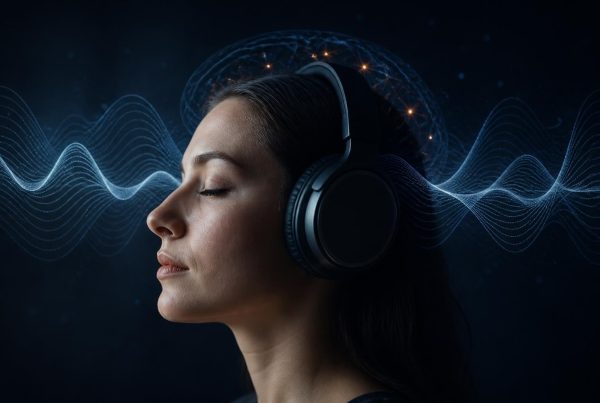
The human voice is a remarkable instrument, capable of expressing emotion, conveying information, and connecting us with others. Yet many people struggle with vocal strain, fatigue, or inefficiency without understanding the underlying mechanics. Resonance therapy voice techniques offer a scientifically grounded approach to improving vocal health by optimizing how sound waves vibrate through the vocal tract. This therapeutic method focuses on achieving maximum vocal efficiency with minimum effort, reducing the physical toll on vocal cords while enhancing overall voice quality. Whether you're a professional speaker, someone recovering from vocal injury, or simply seeking to reduce daily vocal fatigue, understanding resonance therapy voice principles can transform how you use and care for your most personal communication tool.
Understanding Vocal Resonance and Its Impact
Vocal resonance refers to the amplification and modification of sound produced by the vocal cords as it travels through the throat, mouth, and nasal cavities. When we speak or sing, the vocal folds vibrate to create sound waves, but these initial vibrations are relatively weak. The true power and character of our voice comes from how these sound waves resonate within the vocal tract.
The impact of resonance on speech intelligibility varies significantly based on how we use our oral and nasal cavities. Efficient resonance allows the voice to project clearly without requiring excessive force from the vocal cords themselves. Conversely, poor resonance patterns often lead to compensatory behaviors like throat tension, vocal strain, and eventual voice disorders.
The Science Behind Resonant Voice Production
Resonance therapy voice techniques are grounded in acoustic physics and speech pathology research. The vocal tract acts as a series of connected resonating chambers, each capable of emphasizing certain frequencies while dampening others. By strategically positioning the tongue, soft palate, and lips, speakers can optimize which frequencies are amplified.
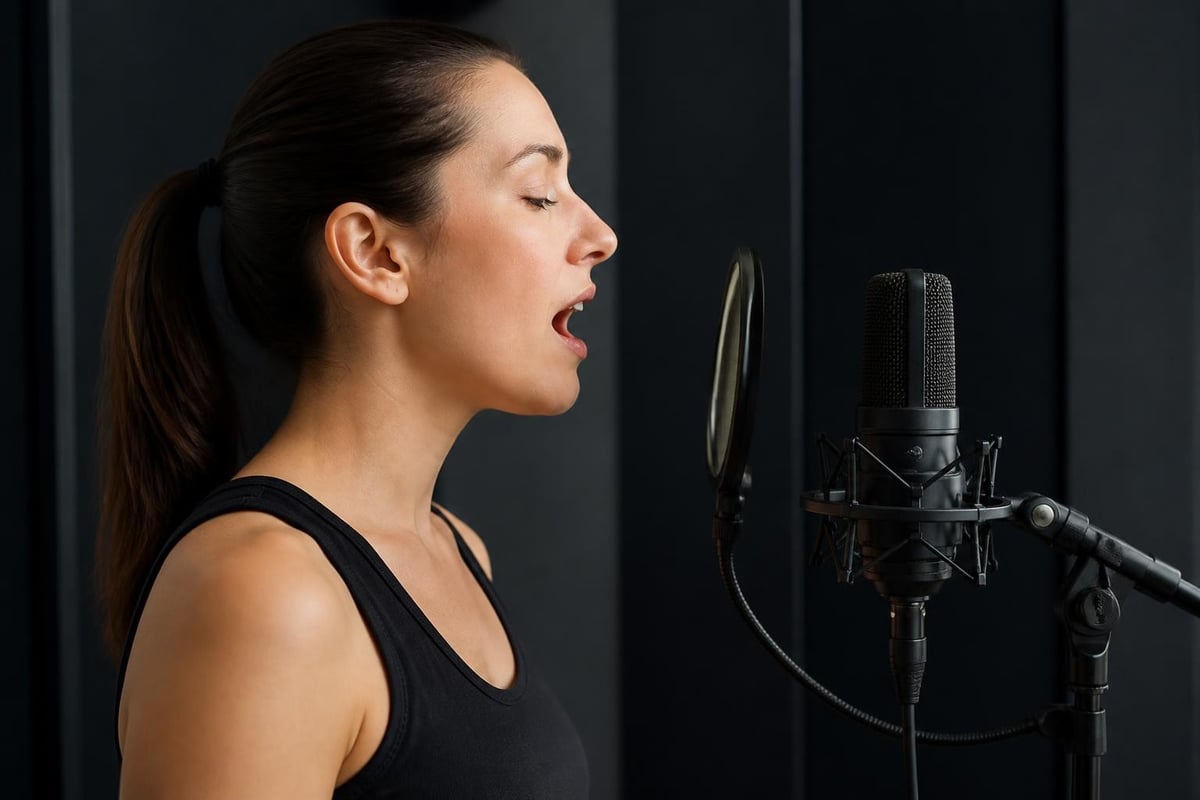
Research published through the National Center for Biotechnology Information demonstrates that proper resonance significantly reduces the biomechanical stress on vocal tissues. When the voice is produced with optimal resonance, speakers experience:
- Reduced vocal effort: Less muscular tension required for the same volume
- Improved vocal endurance: Ability to speak longer without fatigue
- Enhanced vocal quality: Richer, fuller tone with better projection
- Decreased injury risk: Lower likelihood of developing vocal nodules or polyps
The fundamental principle involves bringing vibratory sensations forward in the facial mask area, creating what clinicians describe as "forward resonance" or "oral resonance." This approach minimizes backward focus in the throat, which typically creates excess tension and strain.
Clinical Applications of Resonance Therapy Voice
Resonance therapy voice serves multiple populations with varying needs. Speech-language pathologists employ these techniques across diverse clinical scenarios, each requiring tailored approaches to achieve optimal outcomes.
Treatment for Voice Disorders
Healthcare professionals commonly utilize resonance therapy for individuals experiencing hyperfunctional voice disorders. These conditions involve excessive muscular tension during phonation, leading to vocal fatigue, hoarseness, or complete voice loss. The University of Missouri’s voice and resonance therapy program addresses multiple treatment targets including pitch modification, vocal resonance optimization, and prosody enhancement.
| Condition | Resonance Therapy Application | Expected Outcome |
|---|---|---|
| Vocal nodules | Forward focus, reduced cord compression | Decreased lesion size, improved quality |
| Muscle tension dysphonia | Relaxed phonation, oral resonance | Reduced strain, enhanced endurance |
| Vocal fatigue | Efficient vibration patterns | Longer speaking capacity |
| Post-surgical rehabilitation | Gradual resonance building | Restored vocal function |
The therapeutic process typically begins with identifying current resonance patterns and inefficiencies. Clinicians use acoustic analysis, patient self-reporting, and perceptual evaluation to establish baseline measurements before implementing targeted interventions.
Transgender Voice Modification
Resonance therapy voice plays a crucial role in gender-affirming voice modification. Transgender voice therapy focuses extensively on shifting resonance patterns to align vocal presentation with gender identity. Unlike pitch alone, resonance significantly contributes to gender perception in voice.
For individuals seeking feminine voice characteristics, therapy emphasizes:
- Oral resonance development: Bringing vibratory focus forward into the mouth
- Reduced pharyngeal resonance: Minimizing throat-focused sound
- Lighter vocal fold vibration: Decreasing mass involvement in phonation
- Increased oral space: Elevating the larynx and expanding oral cavity
Masculine voice development involves complementary but opposite adjustments, including increased chest resonance and lowered laryngeal position. These modifications require careful guidance to avoid vocal strain while achieving desired acoustic changes.
The Lessac-Madsen Resonant Voice Therapy Approach
Among various resonance therapy voice methodologies, the Lessac-Madsen Resonant Voice Therapy (LMRVT) stands as a widely recognized and systematically evaluated approach. This evidence-based method emphasizes sensory awareness and kinesthetic feedback to help individuals discover and sustain optimal resonance.
Core Principles of LMRVT
The Lessac-Madsen approach centers on three foundational concepts that differentiate it from traditional voice therapy methods. Rather than focusing primarily on what the voice sounds like, LMRVT prioritizes what phonation feels like for the speaker.
Easy onset phonation forms the first pillar, teaching clients to initiate voicing without excessive glottal attack. This gentle beginning to sound production prevents the harsh vocal fold contact that contributes to tissue trauma over time. Speakers learn to coordinate breathing and vocal fold closure with precision timing.
Oral sensory awareness represents the second core element. Clients develop heightened attention to vibratory sensations in the facial mask, lips, and anterior oral cavity. These tangible physical sensations serve as biofeedback, helping speakers self-monitor and adjust resonance patterns without relying on auditory feedback alone.
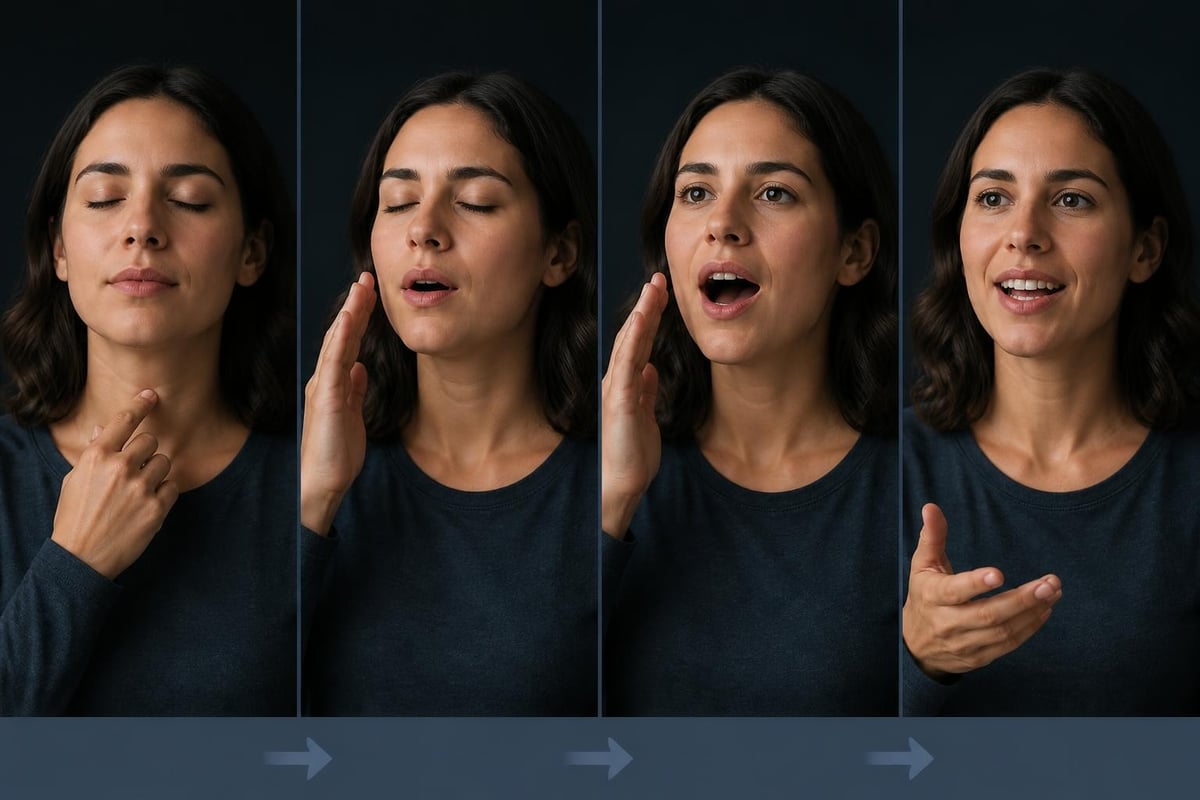
Balanced resonance completes the triad, seeking equilibrium between oral and nasal resonance while avoiding excessive pharyngeal focus. This balance produces the characteristic "buzzy" or "forward" quality associated with healthy, efficient voice production.
Practical Implementation Strategies
Speech-language pathologists guide clients through systematic exercises designed to establish and generalize resonant voice patterns. Initial sessions typically involve basic humming exercises on /m/ and /n/ sounds, which naturally encourage forward resonance. The distinctive vibratory sensation on the lips and nose provides immediate sensory feedback.
Progression follows a hierarchy from simple to complex:
- Sustained resonant phonation on nasal consonants
- Resonant syllables combining nasals with vowels
- Resonant words embedded in carrier phrases
- Resonant sentences with varied intonation
- Conversational speech maintaining resonance
- Spontaneous communication in daily contexts
Troubleshooting common challenges requires identifying where clients lose resonance focus. Some individuals struggle with the initial "buzz" sensation, while others successfully achieve it in isolation but cannot maintain it during connected speech. Clinicians address these barriers through modified cueing, increased awareness training, and systematic practice schedules.
Exercises for Developing Oral Resonance
Practical exercises form the foundation of resonance therapy voice training. The NHS Foundation Trust provides structured exercises specifically designed to bring voice forward and reduce strain through improved resonance patterns.
Beginning Resonance Exercises
Start with basic humming while focusing attention on vibratory sensations in the facial area. Place fingertips lightly on the lips and nose to feel vibrations during sustained /m/ sounds. This tactile feedback helps establish awareness of forward resonance placement.
Nasal consonant ladders involve producing /m/, /n/, and /ŋ/ (as in "sing") in sequence, maintaining consistent forward buzz. Gradually add vowels to create simple syllables: "mah," "nee," "ning." Monitor sensation throughout each production, pausing to reset if forward focus diminishes.
Pitch glides on resonant sounds combine humming with upward and downward pitch changes. Start at a comfortable pitch and slowly glide higher while maintaining the buzzy sensation. This exercise builds flexibility while reinforcing resonance across different pitches.
Advanced Integration Techniques
Once basic resonance awareness develops, exercises progress toward functional communication contexts. Reading passages aloud while consciously maintaining forward focus challenges speakers to sustain resonance during more complex linguistic tasks.
Resonant chanting uses rhythmic, monotone speech patterns to practice sustained resonance before introducing natural prosody. Select simple phrases and chant them with exaggerated forward focus, then gradually introduce normal speech melody while preserving the resonant quality.
Conversation with monitoring represents the final integration phase. Engage in dialogue with a partner or clinician while periodically checking in with resonance sensations. Record these conversations to compare perceptual quality with kinesthetic experience, building alignment between what sounds good and what feels right.
| Exercise Type | Duration | Frequency | Focus Area |
|---|---|---|---|
| Basic humming | 2-3 minutes | 3x daily | Establishing buzz sensation |
| Syllable drills | 5 minutes | 2x daily | Vowel integration |
| Reading aloud | 10 minutes | 1x daily | Connected speech |
| Conversation practice | 15 minutes | 1x daily | Functional generalization |
The Role of Professional Guidance
While self-directed practice supports resonance development, working with qualified professionals ensures safe, effective progress. Speech therapists specializing in resonant voice therapy provide personalized assessment, treatment planning, and ongoing support tailored to individual needs and goals.
When to Seek Professional Support
Certain vocal symptoms warrant immediate professional evaluation rather than self-treatment attempts. Persistent hoarseness lasting beyond two weeks, complete voice loss, pain during speaking, or visible blood in saliva all require medical assessment. Even without these severe symptoms, chronic vocal fatigue or gradual voice changes benefit from expert evaluation.
Professional guidance becomes particularly valuable when:
- Establishing baseline vocal function and identifying specific inefficiencies
- Learning proper technique to avoid developing compensatory patterns
- Addressing concurrent medical conditions affecting voice
- Monitoring progress through objective acoustic measurements
- Troubleshooting plateaus or setbacks in therapy
Speech-language pathologists use specialized tools including acoustic analysis software, endoscopic imaging, and perceptual rating scales to comprehensively assess voice function. These objective measures complement subjective patient experience, providing complete pictures of vocal health and therapy effectiveness.
Integrating Resonance Work with Broader Wellness
Resonance therapy voice techniques don't exist in isolation from overall physical and mental wellness. Vocal health connects intimately with stress management, breathing patterns, hydration status, and general body tension. Individuals experiencing chronic stress often unconsciously carry tension in neck and throat muscles, directly interfering with optimal resonance.
Creating supportive environments for vocal practice enhances therapy outcomes. Adequate hydration maintains vocal fold pliability, while proper posture facilitates unrestricted airflow and resonance. Managing stress through mindfulness practices, regular physical activity, and sufficient sleep indirectly supports vocal function by reducing overall body tension.
Measuring Progress and Maintaining Results
Tracking improvement in resonance therapy voice requires both objective and subjective measures. Acoustic analysis provides quantifiable data about vocal efficiency, while patient-reported outcomes capture functional changes in daily life.
Objective Assessment Tools
Clinicians employ various instruments to measure resonance changes throughout therapy. Spectrographic analysis reveals the distribution of acoustic energy across frequencies, showing whether sound is concentrated in optimal ranges. Aerodynamic measures assess airflow efficiency during phonation, indicating reduced glottal resistance as resonance improves.
Cepstral peak prominence serves as a particularly useful metric for tracking voice quality changes. This measure correlates strongly with perceived voice clarity and has demonstrated sensitivity to resonance therapy effects. Higher values indicate better harmonic organization and more efficient vocal fold vibration.
Maximum phonation time offers a simple yet informative measure of vocal efficiency. As resonance improves and phonation becomes less effortful, individuals typically sustain vowels for longer durations on single breaths. While multiple factors influence this measure, consistent improvement often parallels enhanced resonance.
Long-Term Maintenance Strategies
Achieving resonant voice represents only the first phase of therapy. Maintaining these patterns during spontaneous communication and across various life situations requires ongoing attention and practice. Many individuals experience regression when they stop actively monitoring resonance, particularly during stressful periods or cognitively demanding tasks.
Daily vocal warm-ups preserve resonance awareness and flexibility. Spending five to ten minutes each morning on basic humming exercises and resonant syllable production reinforces neural patterns and prepares the voice for the day ahead. Think of this as vocal hygiene, similar to brushing teeth for oral health.
Periodic self-assessment using smartphone recordings helps identify gradual shifts away from optimal resonance. Record yourself reading the same passage weekly or monthly, comparing current productions to baseline recordings from peak therapy periods. This objective feedback reveals subtle changes that might otherwise go unnoticed.
Environmental modifications reduce situations that promote vocal strain and poor resonance. Using amplification when addressing large groups, maintaining adequate humidity in living and working spaces, and minimizing background noise during conversations all support sustained resonance patterns by reducing the temptation to force volume.
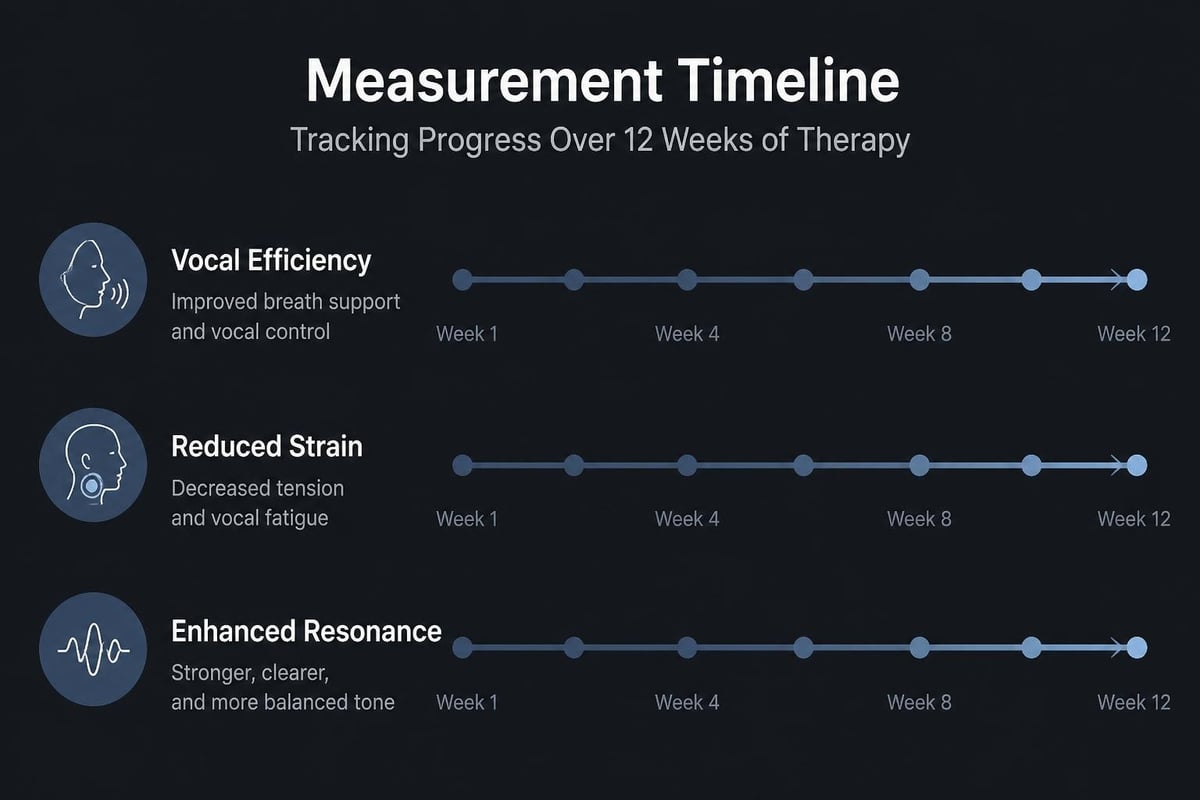
Successful long-term outcomes depend on integrating resonance principles into unconscious vocal habits. This internalization process takes time, typically requiring several months of consistent practice beyond initial skill acquisition. Patience and persistence during this consolidation phase determine whether resonance therapy voice benefits persist or fade.
Resonance Therapy Across Diverse Populations
The applications of resonance therapy voice extend across age groups, professions, and cultural contexts. While core principles remain consistent, implementation details adapt to meet specific population needs and goals.
Professional Voice Users
Teachers, singers, actors, salespeople, and clergy rely on their voices occupationally, facing higher risk for voice disorders due to prolonged daily vocal demands. For these professional voice users, resonance therapy voice techniques offer preventive benefits alongside therapeutic applications. Learning efficient voice production before problems develop protects long-term vocal health.
Professional singers require particularly nuanced resonance work, as musical performance demands exceed conversational speech requirements. Balancing artistic expression with vocal health necessitates individualized approaches that preserve desired tonal qualities while optimizing efficiency. Many vocal pedagogues now integrate resonance principles traditionally associated with speech therapy into singing instruction.
Pediatric Populations
Children developing voice disorders present unique challenges and opportunities for resonance intervention. Young clients often respond well to play-based activities that incorporate resonance principles without requiring extensive theoretical understanding. Games involving animal sounds, silly voices, and interactive stories can teach forward focus while maintaining engagement.
Early intervention during childhood prevents compensatory patterns from becoming deeply ingrained. Children's vocal mechanisms remain more adaptable than adult systems, potentially allowing faster acquisition of efficient resonance patterns. However, cognitive and attention limitations require modified approaches emphasizing fun and immediate sensory feedback over complex instruction.
Cultural Considerations in Voice Therapy
Cultural norms significantly influence vocal behaviors, acceptable volume levels, and preferred resonance patterns. What constitutes "optimal" voice varies across cultures, requiring clinicians to understand clients' cultural contexts and communication goals. Some cultures value louder, more projected speech, while others prefer softer, more intimate vocal presentations.
Resonance therapy voice must respect these cultural variations while still promoting vocal health. The goal isn't imposing a single standard of "correct" voice production but rather helping individuals achieve their communication objectives efficiently and safely. Culturally responsive practice involves collaborative goal-setting that honors both vocal health principles and cultural identity.
Understanding resonance therapy voice principles empowers you to use your voice more efficiently, reduce strain, and enhance overall vocal wellness through evidence-based techniques. While the voice itself represents one form of expression and communication, the broader principle of training efficient, healthy patterns applies across many aspects of cognitive wellness. If you're seeking to develop better mental habits alongside vocal ones, Freshhh.app offers science-backed soundscapes and micro-habits designed to train your mind for deeper focus and lasting calm. Just as resonance therapy optimizes how you use your voice, Freshhh.app helps you optimize how you direct your attention and manage stress in daily life.