Quality sleep remains one of the most powerful tools for mental and physical health, yet millions struggle to achieve it consistently. Among the various approaches to improving sleep quality, sleep music has emerged as a scientifically supported intervention that works with your brain's natural rhythms rather than against them. This approach goes beyond simple background noise, tapping into specific acoustic properties that influence neurological processes governing relaxation and rest.
The Neuroscience Behind Sleep Music
Sleep music functions through multiple neurological pathways simultaneously. When you listen to carefully designed soundscapes before or during sleep, your brain responds by reducing cortisol production while increasing dopamine release. Research shows that music aids sleep by promoting relaxation and reducing stress hormones that typically interfere with the transition to rest.
The auditory cortex processes these sounds and communicates with the limbic system, which governs emotional responses. This interaction triggers a cascade of physiological changes: heart rate decreases, breathing slows, and muscle tension releases. These changes mirror the natural progression your body undergoes when preparing for sleep.
Brain Wave Entrainment
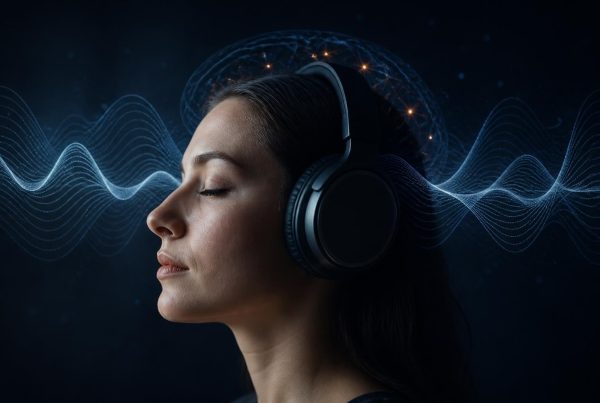
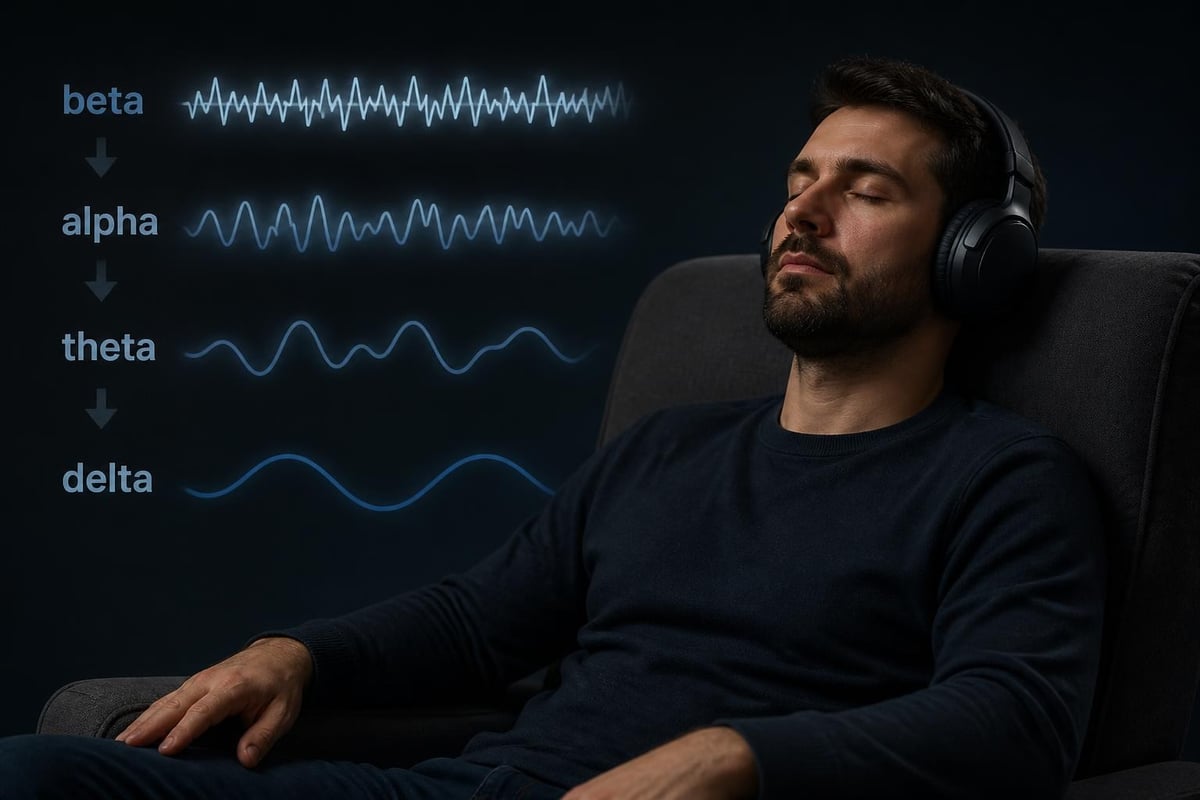
One of the most fascinating mechanisms involves brain wave entrainment. Your brain naturally produces different frequency patterns throughout the day, from alert beta waves during active thinking to slow delta waves during deep sleep. Sleep music often incorporates rhythmic elements and frequency patterns that encourage your brain to shift from higher-frequency alert states to lower-frequency relaxed states.
This process doesn't happen instantly. The transition typically requires 15-30 minutes of consistent auditory input, which explains why establishing a pre-sleep routine with sleep music proves more effective than sporadic use.
Acoustic Characteristics That Matter
Not all sleep music delivers equal results. Scientific analysis of audio features in sleep music reveals specific characteristics that distinguish effective soundscapes from ordinary relaxing music. Understanding these properties helps you select or create optimal listening experiences.
Key Audio Properties
Tempo and Rhythm
- 60-80 beats per minute aligns with resting heart rate
- Slower tempos facilitate physiological downregulation
- Minimal rhythmic variation prevents alerting responses
- Absence of sudden tempo changes maintains relaxation state
Frequency Range
- Lower frequencies (under 250 Hz) promote calm
- Absence of harsh high frequencies reduces arousal
- Gradual frequency transitions prevent startle responses
- Binaural beats in delta range (0.5-4 Hz) support deep sleep
Instrumental Composition
- Predominantly instrumental tracks avoid language processing
- Smooth timbres (strings, pads) versus percussive sounds
- Harmonic simplicity reduces cognitive engagement
- Predictable melodic patterns facilitate mental disengagement
| Audio Feature | Optimal Range | Why It Matters |
|---|---|---|
| Tempo | 60-80 BPM | Matches resting heart rate |
| Volume | 30-50 decibels | Audible but not stimulating |
| Frequency | 50-250 Hz dominant | Promotes parasympathetic activation |
| Dynamic Range | Minimal variation | Prevents alerting responses |
Building Effective Sleep Routines
Sleep music works best when integrated into comprehensive sleep hygiene practices. Isolated auditory interventions provide limited benefits compared to structured routines that signal your brain consistently.
The 60-Minute Wind-Down Protocol
Begin your sleep preparation a full hour before target sleep time. This extended window allows multiple physiological systems to shift toward rest mode gradually. Start with dimmed lighting and reduced screen exposure, then introduce sleep music around the 30-minute mark.
Phase One: Environmental Setup (60-30 minutes before sleep)
- Lower ambient lighting by 50%
- Reduce room temperature to 65-68°F
- Complete active tasks requiring decision-making
- Put away electronic devices with blue light emission
Phase Two: Auditory Transition (30-15 minutes before sleep)
- Begin sleep music at low volume
- Practice gentle stretching or light movement
- Engage in calming activities like reading physical books
- Maintain consistent volume throughout
Phase Three: Final Preparation (15-0 minutes before sleep)
- Complete personal hygiene routines
- Settle into bed while maintaining sleep music
- Practice breath awareness or meditation techniques
- Allow music to continue for 30-60 minutes after lying down
This structured approach creates multiple reinforcing cues that train your nervous system to recognize and respond to sleep preparation signals.
Individual Variation and Personalization
Generic sleep music playlists serve as starting points, but optimization requires personal experimentation. Your unique neurological makeup, past experiences, and current stress levels all influence which soundscapes prove most effective.
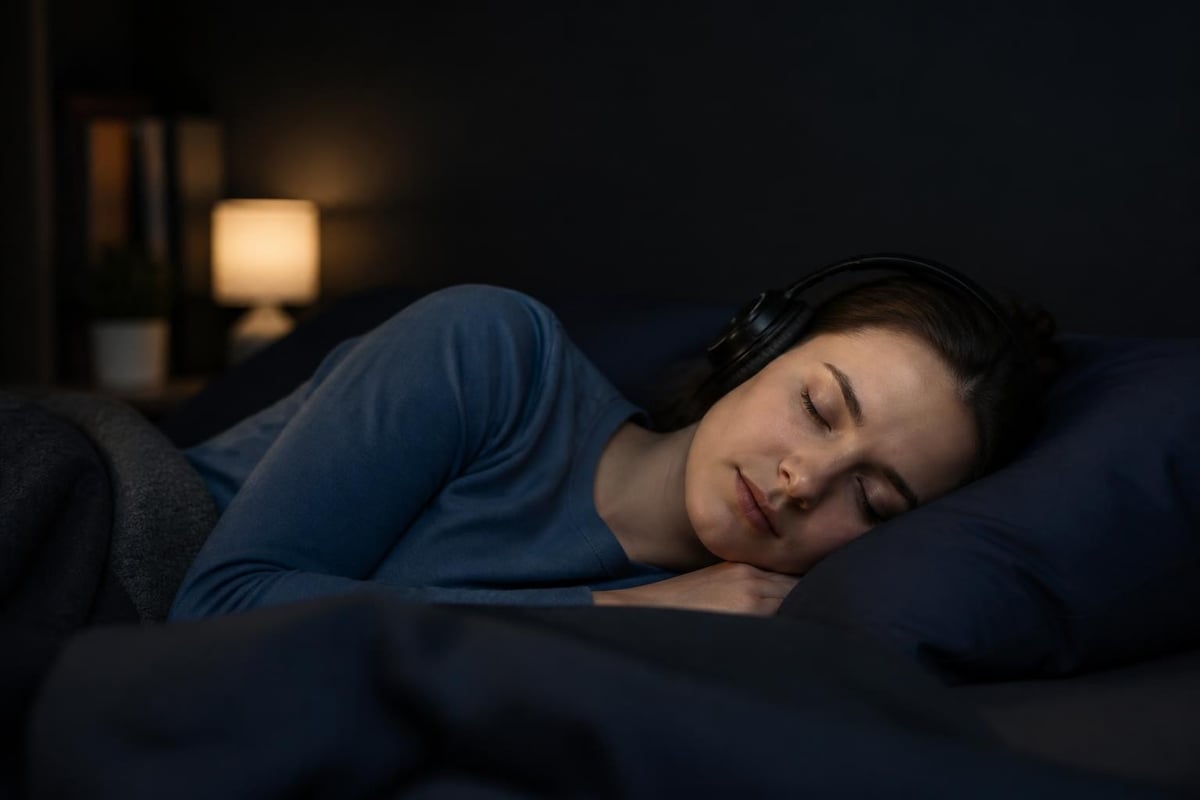
Some individuals respond powerfully to nature sounds like rain or ocean waves, while others find these stimulating rather than calming. Classical music selections work beautifully for some listeners but engage others' minds too actively. The analysis of sleep music preferences confirms substantial individual variation in optimal audio characteristics.
Testing and Refinement Process
Dedicate two weeks to systematic experimentation. Select one soundscape type and use it consistently for three consecutive nights. Track sleep onset time, perceived sleep quality, and morning alertness. Compare results across different categories:
- Nature soundscapes: Rain, ocean, forest, streams
- Ambient instrumental: Synthesizer pads, drones, minimalist piano
- Binaural beats: Delta and theta frequency ranges
- Classical compositions: Baroque largo movements, nocturnes
- Hybrid approaches: Nature sounds layered with subtle instrumentation
Document your responses objectively rather than relying on assumptions about what "should" work. Your actual physiological responses provide the only reliable data for personalization.
Technology Integration and Smart Systems
Modern sleep music applications leverage artificial intelligence and adaptive algorithms to enhance effectiveness. These systems move beyond static playlists toward dynamic soundscapes that respond to real-time data.
Innovative research on acoustic stimulation systems demonstrates how real-time monitoring and adaptive sound delivery can accelerate sleep onset. These technologies detect physiological markers indicating your current state and adjust audio properties accordingly.
Adaptive Features to Consider
Smart sleep music platforms offer several sophisticated capabilities worth exploring. Volume automation gradually reduces playback as you transition into deeper sleep stages, preventing abrupt silence that might cause awakening. Frequency shifting slowly introduces lower-frequency content as time progresses, matching your brain's natural descent into delta wave activity.
Some systems incorporate brief periods of silence between soundscape elements, creating space for your mind to disengage from active listening. Others use cross-fading techniques that prevent jarring transitions when looping audio content.
Integration with sleep tracking devices enables even more precise optimization. When your wearable detects you've entered light sleep, the system might reduce volume further or shift to even more minimal soundscapes. Advanced AI applications in sleep monitoring continue expanding possibilities for personalized interventions.
Common Pitfalls and Misconceptions
Many well-intentioned approaches to using sleep music actually undermine effectiveness. Recognizing these mistakes helps you avoid counterproductive patterns.
Volume Errors
Playing sleep music too loudly defeats its purpose entirely. Your auditory system remains active during sleep, and excessive volume creates ongoing stimulation that fragments rest. Conversely, music played at barely audible levels may fail to provide sufficient entrainment signals. The optimal range sits around 30-50 decibels-clearly audible but requiring no effort to hear.
Content Complexity
Engaging, interesting music activates cognitive processing rather than promoting disengagement. Familiar songs with lyrics pull your attention into memory recall and language centers. Even beloved classical pieces with dramatic dynamics or complex arrangements can stimulate rather than sedate.
Inconsistent Application
Using sleep music sporadically prevents your brain from forming strong associations between the sounds and sleep preparation. Consistent practices like meditation build reliable neural pathways through repetition. Similarly, sleep music becomes most effective when integrated into regular routines your nervous system learns to recognize.
| Common Mistake | Why It Fails | Better Approach |
|---|---|---|
| Using energizing music | Increases arousal instead of reducing it | Select low-tempo, minimal compositions |
| Inconsistent timing | Prevents habit formation | Same schedule nightly for 3+ weeks |
| Poor speaker quality | Creates harsh frequencies | Invest in quality audio hardware |
| Multiple soundscape types nightly | Confuses neural associations | Consistent selection for extended periods |
Sound Therapy as Comprehensive Practice
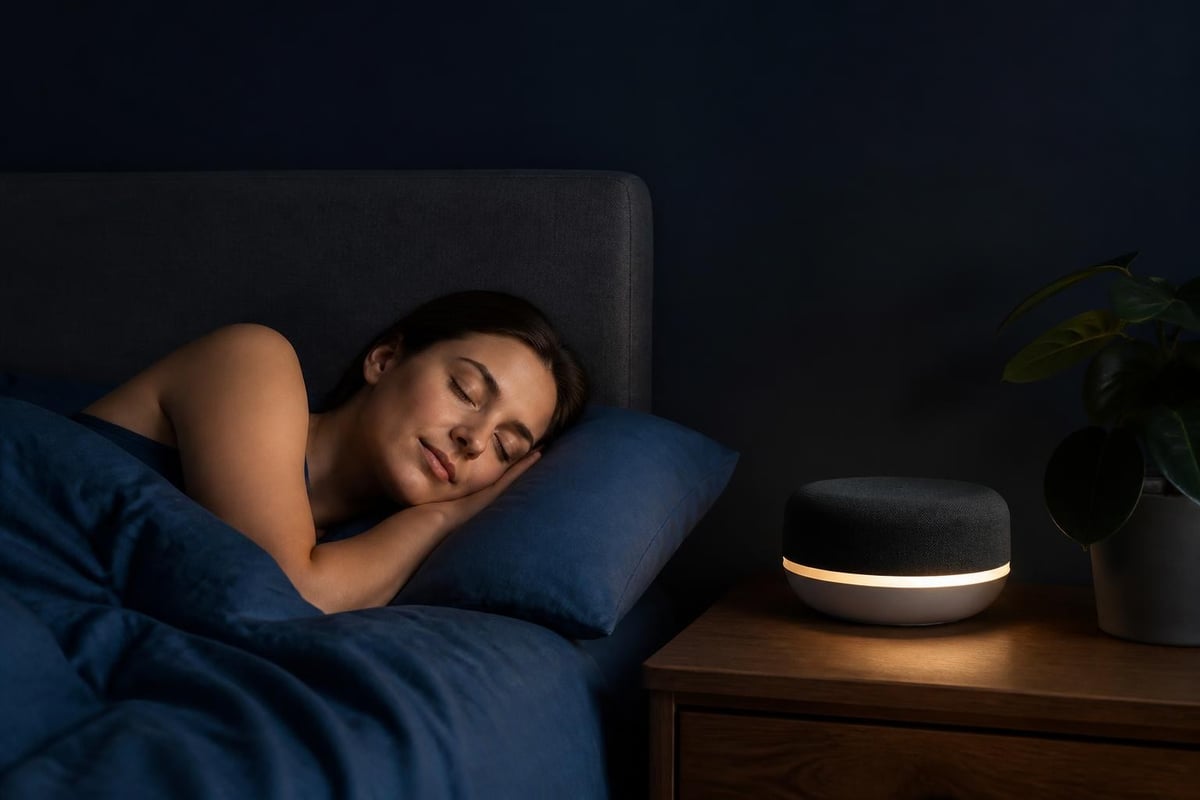
Sleep music represents one application within the broader field of sound therapy. This holistic approach recognizes that acoustic interventions influence mental states throughout your entire day, not just during sleep preparation.
Morning soundscapes can facilitate alertness and focus as effectively as evening compositions promote rest. The key lies in matching acoustic properties to desired neurological states. Understanding these principles enables you to design comprehensive auditory environments supporting multiple aspects of cognitive performance and emotional regulation.
Science-backed approaches to sound therapy demonstrate benefits extending beyond sleep improvement. Reduced anxiety, enhanced concentration, and better stress management all respond to thoughtfully designed acoustic interventions. This integrated perspective transforms sleep music from an isolated technique into part of a larger framework for mental wellness.
Cross-Training Your Nervous System
Just as physical training builds capacity across multiple performance domains, acoustic training develops your nervous system's ability to shift between states efficiently. Regular practice with sleep music strengthens your capacity for voluntary relaxation, making it easier to access calm states even without auditory support.
This adaptation occurs through neuroplasticity-your brain's ability to form new neural connections based on repeated experiences. Each successful transition from wakefulness to sleep while using sleep music reinforces the neural pathways involved. Over time, these pathways become more efficient, requiring less external support to activate.
The broader implications extend to stress management throughout your day. When you've trained your nervous system to respond reliably to specific acoustic cues, you can use brief soundscape sessions to reset your state during challenging moments. This creates a versatile tool for mental state regulation beyond nocturnal applications.
Evidence-Based Selection Criteria
Choosing effective sleep music requires evaluating options against research-supported criteria rather than marketing claims or subjective preferences alone.
Scientific Development
Priority goes to soundscapes created in collaboration with acoustic researchers or neuroscientists. These compositions incorporate specific frequency relationships, temporal patterns, and harmonic structures based on empirical research rather than artistic intuition alone.
Transparency About Mechanisms
Quality sleep music platforms explain how their audio content functions neurologically. Vague claims about "healing frequencies" or "quantum vibrations" indicate questionable foundations. Look for specific references to brain wave entrainment, parasympathetic nervous system activation, or cortisol reduction.
Customization Capabilities
One-size-fits-all approaches ignore substantial individual variation in acoustic preferences and physiological responses. Effective solutions provide options for adjusting parameters like tempo, frequency emphasis, and layering of different sound elements.
Integration with Behavioral Support
Audio alone rarely optimizes sleep quality without supporting behavioral changes. The most effective approaches combine sleep music with evidence-based guidance on sleep hygiene, stress management, and habit formation. Platforms like Freshhh.app exemplify this integrated model, pairing acoustic interventions with practical protocols for mental training.
Long-Term Sustainability and Adaptation
Initial enthusiasm for sleep music often gives way to inconsistent use or abandonment. Building sustainable practices requires understanding how to maintain effectiveness over months and years.
Your nervous system adapts to repeated stimuli through habituation. Sounds that initially promoted powerful relaxation responses may lose effectiveness with overexposure. Combat this by rotating between several vetted soundscapes on a weekly or bi-weekly basis. This variation prevents habituation while maintaining sufficient consistency for habit formation.
Periodic reassessment helps you track changes in your responses. Life circumstances, stress levels, and health status all influence which acoustic properties prove most beneficial. Schedule monthly evaluations where you consciously assess whether your current sleep music selections still deliver optimal results.
Sustainable Practice Elements
- Rotation of 3-5 approved soundscapes
- Monthly effectiveness assessments
- Gradual reduction of volume over months as associations strengthen
- Integration with complementary sleep hygiene practices
- Flexibility to pause use during travel or schedule disruptions without guilt
Sleep Architecture and Acoustic Support
Understanding how sleep music influences different sleep stages enhances strategic application. Your night of sleep progresses through multiple cycles, each containing distinct stages with unique neurological characteristics.
Light sleep (N1 and N2 stages) comprises roughly 50% of total sleep time. During these stages, you remain somewhat responsive to environmental stimuli. Sleep music can help stabilize these stages, reducing disruptions that might fragment rest. Research on sleep stages and memory highlights the cognitive importance of protecting these periods.
Deep sleep (N3 stage) represents the most restorative phase, during which physical recovery and immune function optimization occur. Sleep music supporting transition into this stage typically emphasizes very low frequencies and minimal variation. Your brain becomes less responsive to external stimuli during deep sleep, making sustained acoustic input less critical.
REM sleep involves heightened brain activity and dreaming. Some evidence suggests gentle soundscapes can extend or stabilize REM periods, though this remains an active area of research. The key lies in avoiding jarring sounds that might trigger awakening during this lighter sleep stage.
Strategic timing involves playing sleep music primarily during the transition period and first sleep cycle. Many find continuous playback throughout the night unnecessary once established in deeper sleep stages. Auto-timer functions that gradually reduce and stop playback after 60-90 minutes often prove optimal.
Sleep music offers a scientifically grounded pathway to improved rest quality when applied thoughtfully and consistently. The combination of appropriate acoustic properties, personalized selection, and integration into comprehensive sleep routines creates powerful support for your nervous system's natural transition into restorative sleep. If you're ready to train your mind while benefiting from research-based soundscapes, Freshhh.app provides science-backed acoustic environments paired with practical micro-habits that build lasting improvements in both sleep quality and daytime focus.