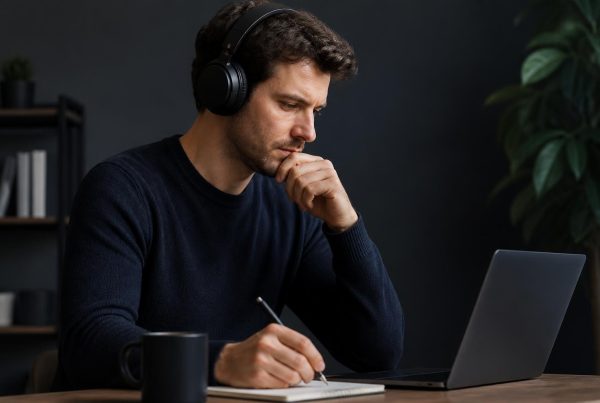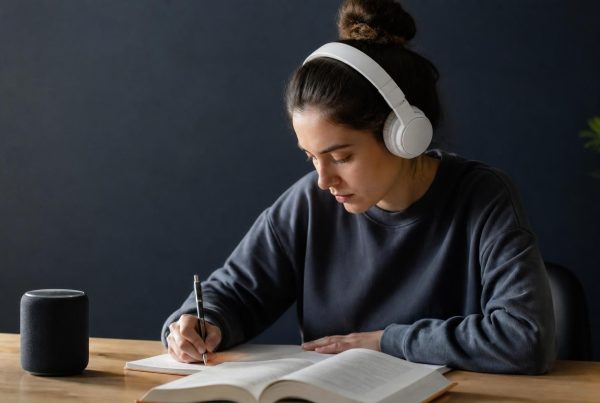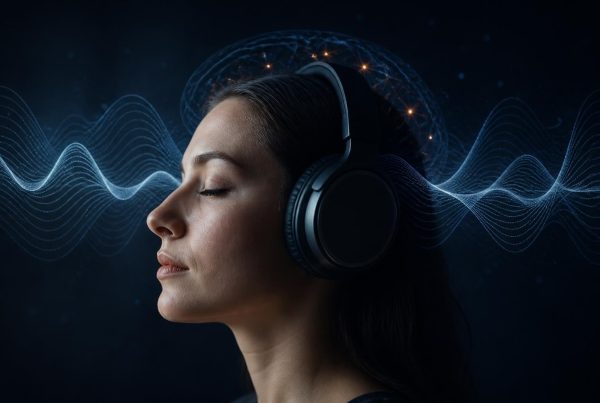
Modern sleep challenges affect millions of people worldwide, with stress, anxiety, and environmental factors disrupting natural rest patterns. A sleep sound healer represents an emerging approach that combines ancient sound therapy traditions with contemporary neuroscience to promote restorative sleep. This therapeutic modality uses carefully calibrated acoustic frequencies, tones, and rhythms to guide the nervous system into relaxation states conducive to deep, rejuvenating rest.
Understanding the Sleep Sound Healer Approach
A sleep sound healer works by leveraging the brain's natural response to specific acoustic patterns. Unlike passive background noise, therapeutic sound interventions target particular brainwave frequencies associated with different sleep stages. The human brain operates across multiple frequency bands, from high-frequency beta waves during active thinking to slow delta waves during deep sleep.
Sound healing for sleep focuses on entraining the brain to transition smoothly through these stages. Brainwave entrainment occurs when external rhythmic stimuli influence neural oscillations, encouraging the brain to synchronize with therapeutic frequencies. This process creates measurable physiological changes that support sleep onset and quality.
Research demonstrates that sonic sleep aids can effectively improve sleep quality through multiple mechanisms. The acoustic environment influences heart rate variability, cortisol levels, and autonomic nervous system balance. When properly calibrated, sound frequencies activate the parasympathetic nervous system, which controls the body's rest-and-digest response.
Key Frequencies Used in Sleep Sound Healing
Different frequency ranges produce distinct effects on consciousness and physiology:
- Delta waves (0.5-4 Hz): Associated with deep sleep and physical restoration
- Theta waves (4-8 Hz): Linked to light sleep, meditation, and dream states
- Alpha waves (8-13 Hz): Connected to relaxation and the transition to sleep
- Low-frequency tones (40-120 Hz): Support parasympathetic activation
The concept of sleep frequencies has gained scientific credibility as researchers document how specific sound waves promote relaxation. A sleep sound healer strategically applies these frequencies through various instruments and technologies to create optimal conditions for rest.
Therapeutic Techniques and Modalities
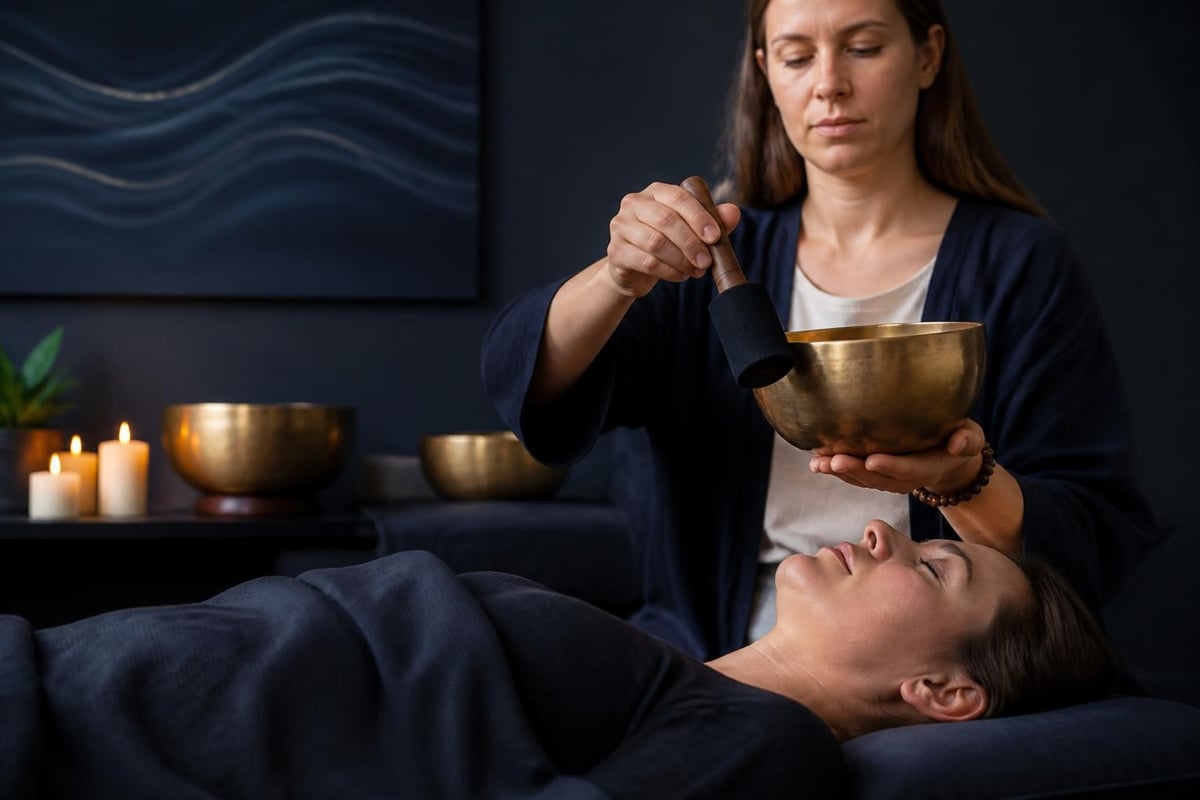
Sleep sound healer practices encompass diverse techniques, each offering unique benefits for rest and recovery. Traditional approaches include singing bowls, gongs, tuning forks, and vocal toning, while modern methods incorporate binaural beats, isochronic tones, and digitally synthesized soundscapes.
Traditional Sound Healing Instruments
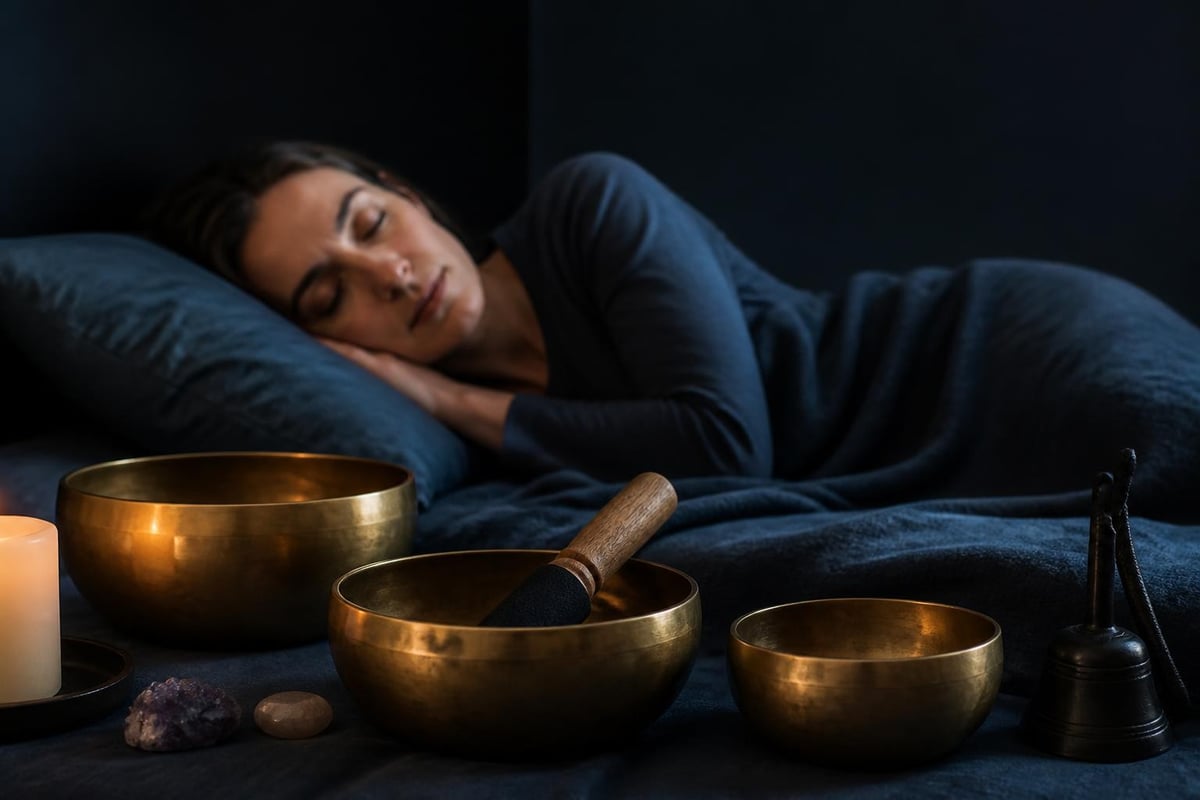
Singing bowls, particularly Tibetan and crystal varieties, produce complex harmonic overtones that create rich acoustic environments. When played therapeutically, these instruments generate sustained frequencies that encourage mental quieting and physical relaxation. The vibrations resonate through the body, creating tactile as well as auditory experiences.
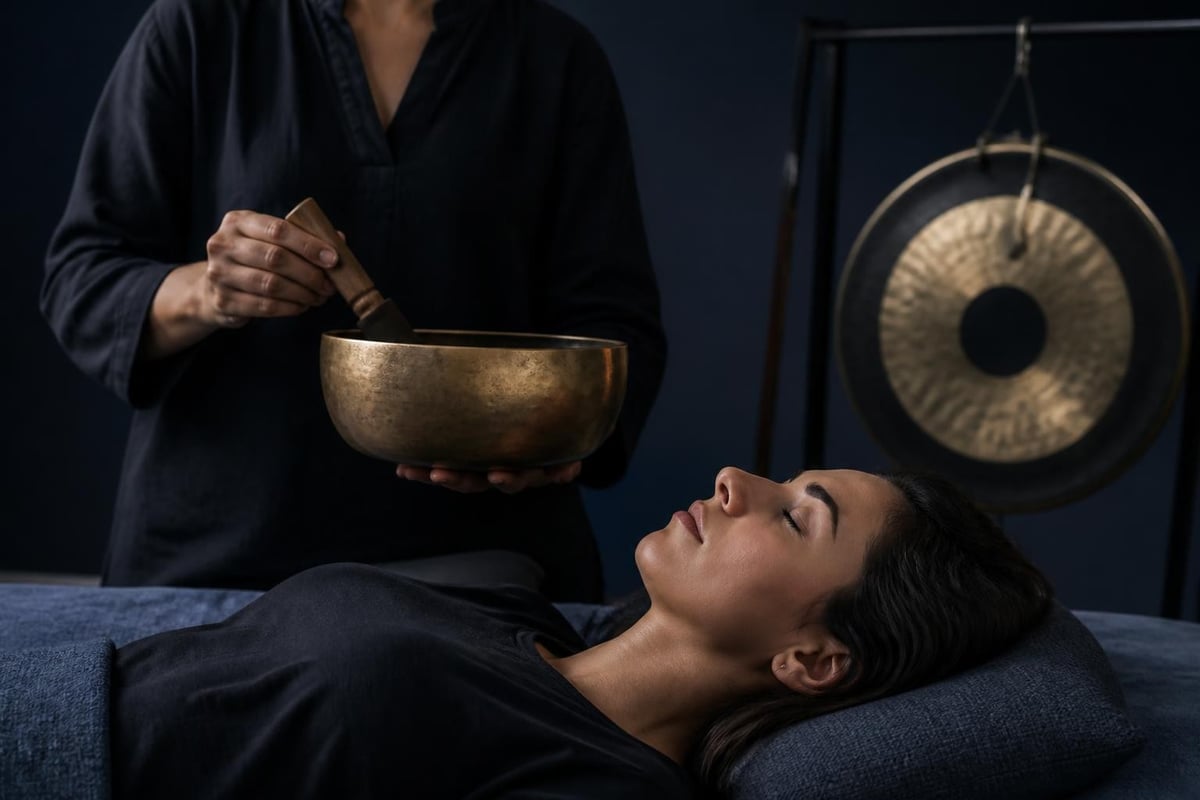
Gongs offer powerful sound immersion with their broad frequency spectrum and dynamic range. A skilled sleep sound healer uses gong therapy to create waves of sound that wash over listeners, disrupting thought patterns and promoting meditative states. This technique proves particularly effective for individuals with racing minds at bedtime.
Tuning forks provide precise frequency delivery for targeted therapeutic effects. Practitioners apply weighted tuning forks directly to the body or hold unweighted forks near the ears, creating pure tones that influence specific energy pathways and physiological systems.
Modern Sound Technologies
Contemporary sleep sound healer approaches incorporate technological innovations that make therapeutic frequencies more accessible. Binaural beats present slightly different frequencies to each ear, causing the brain to perceive a third frequency equal to the difference between them. This phantom frequency can guide brainwaves toward desired states.
| Technique | Mechanism | Primary Benefit |
|---|---|---|
| Binaural Beats | Frequency difference between ears | Brainwave entrainment |
| Isochronic Tones | Regular pulse patterns | Sleep stage transitions |
| Pink Noise | Balanced frequency spectrum | Continuous sleep maintenance |
| ASMR Soundscapes | Soft, specific trigger sounds | Pre-sleep relaxation |
Isochronic tones use single tones that pulse on and off in regular patterns, creating rhythmic stimulation without requiring headphones. These tones effectively guide the brain through sleep stages without the need for stereo separation.
Advanced sound therapy research demonstrates measurable improvements in sleep latency, duration, and quality when participants engage with scientifically designed soundscapes. These findings validate the sleep sound healer approach as more than placebo, revealing genuine neurological and physiological mechanisms.
Evidence-Based Benefits for Sleep Quality
The application of sound healing specifically for sleep addresses multiple aspects of rest quality simultaneously. A sleep sound healer targets not only the ability to fall asleep but also sleep architecture, the proportion of time spent in various sleep stages, and overall restoration.
Reduced Sleep Onset Latency
Sound healing interventions consistently demonstrate the ability to shorten the time required to fall asleep. By activating relaxation responses and quieting mental activity, therapeutic sounds create ideal conditions for sleep onset. This benefit proves particularly valuable for individuals experiencing racing thoughts or anxiety at bedtime.
Pre-sleep sound sessions establish a transitional period between waking activity and rest. This buffer zone allows the nervous system to downregulate gradually rather than expecting an immediate shift from alertness to sleep. The benefits of sound healing extend beyond sleep to include reduced anxiety and enhanced mental clarity, which indirectly support better rest.
Enhanced Deep Sleep Proportions
Deep sleep, characterized by delta wave activity, serves critical restorative functions including tissue repair, immune system strengthening, and memory consolidation. Sleep sound healer techniques specifically target the enhancement of deep sleep stages through low-frequency acoustic stimulation.
Studies using polysomnography have documented increased slow-wave sleep duration in participants exposed to appropriate sound frequencies. This improvement translates to more effective physical recovery and better next-day cognitive performance.
Decreased Nighttime Awakenings
Continuous sleep maintenance represents another crucial aspect of rest quality. A sleep sound healer approach using consistent background frequencies creates an acoustic environment that masks disruptive sounds and maintains the brain in sleep-conducive states.
Pink noise, which contains equal energy per octave, has shown particular effectiveness in reducing nighttime awakenings. Unlike white noise, which some find harsh, pink noise provides gentler acoustic masking with a more natural frequency distribution similar to rainfall or wind.
Implementing Sleep Sound Healing Practices
Effective application of sleep sound healer principles requires understanding both the science and the practical considerations of implementation. Creating optimal conditions involves timing, frequency selection, volume calibration, and environmental factors.
Creating an Effective Sound Environment
The acoustic environment significantly influences sleep sound healer effectiveness. Begin by addressing basic sound hygiene:
- Minimize disruptive noise sources through physical barriers or white noise masking
- Optimize speaker or headphone placement for even sound distribution
- Calibrate volume levels to comfortable, non-intrusive ranges (typically 40-50 decibels)
- Establish consistent sleep sound routines at regular times each evening
- Combine sound therapy with complementary sleep hygiene practices
Room acoustics matter for sound healing effectiveness. Hard surfaces create reflections that can interfere with therapeutic frequencies, while soft furnishings absorb sound and create more controlled acoustic environments. Consider adding curtains, rugs, or acoustic panels if working with live instruments.
Timing and Duration Considerations
A sleep sound healer session typically begins 30-60 minutes before desired sleep time, creating a transitional period from waking to rest. This approach allows the nervous system to respond gradually to acoustic cues rather than expecting immediate effects.
Initial sessions might last 15-20 minutes, gradually extending to 60 minutes or more as individuals become familiar with the practice. Some people benefit from continuous sound throughout the night, while others prefer sound only during the sleep onset period.
| Session Type | Duration | Best For |
|---|---|---|
| Pre-sleep Preparation | 30-45 minutes | Establishing relaxation |
| Sleep Onset Support | 45-90 minutes | Falling asleep |
| Full Night Maintenance | Continuous | Preventing awakenings |
| Early Morning Transition | 15-30 minutes | Gentle awakening |
Personalization and Experimentation
Individual responses to specific frequencies and instruments vary considerably. What works effectively as a sleep sound healer intervention for one person may prove less beneficial for another. This variability stems from differences in neurological processing, personal preferences, and specific sleep challenges.
Systematic experimentation helps identify optimal approaches. Track sleep quality metrics including sleep latency, number of awakenings, perceived restfulness, and next-day energy levels. Adjust frequencies, volumes, and durations based on these observations.
Acoustic preferences also matter significantly. Some individuals respond better to nature sounds, others to pure tones, and still others to complex musical compositions. The most effective sleep sound healer approach aligns therapeutic frequencies with personally pleasing acoustic qualities.
Integrating Mind Training with Sound Therapy
While acoustic interventions provide powerful support for sleep, the most comprehensive sleep sound healer approach combines sound with cognitive and behavioral techniques. This integration addresses both the environmental factors influencing sleep and the mental patterns that interfere with rest.
Micro-Habits for Enhanced Sound Therapy Results
Small, consistent practices amplify the effectiveness of sound healing interventions. These micro-habits create psychological associations between specific sounds and sleep states, strengthening the brain's response over time.
Progressive relaxation paired with sound exposure trains the body to release tension systematically while therapeutic frequencies play. Begin at the toes, consciously relaxing each muscle group while focusing attention on the acoustic environment. This dual approach leverages both physical and auditory relaxation triggers.
Breath synchronization with rhythmic sounds enhances parasympathetic activation. Slow, deep breathing (4-6 breaths per minute) naturally lowers heart rate and blood pressure. When coordinated with pulsed tones or rhythmic soundscapes, this practice creates powerful relaxation synergy.
Cognitive anchoring techniques establish mental associations between specific sounds and sleep states. By consistently using the same sleep sound healer frequencies during successful sleep sessions, the brain learns to trigger sleep responses upon hearing those sounds. This conditioning effect strengthens over weeks of consistent practice.
Addressing Mental Patterns That Disrupt Sleep
Sound therapy provides acoustic support, but lasting sleep improvements often require addressing underlying thought patterns. Sleep anxiety, performance pressure around rest, and rumination about daytime concerns frequently interfere with natural sleep processes.
Attention redirection uses sound as an anchor point for wandering minds. Rather than fighting intrusive thoughts, gently redirect attention to specific aspects of the soundscape-particular frequencies, rhythmic patterns, or subtle variations. This practice develops the mental skill of letting go without suppression.
Acceptance-based approaches work particularly well with sleep sound healer interventions. Instead of desperately trying to force sleep, adopt a stance of curious observation toward both the sounds and internal experiences. This reduced effort paradoxically facilitates easier sleep onset.
Contemporary research on sleep stage classification using artificial intelligence provides insights into how various interventions affect objective sleep metrics. These technological advances allow for more precise measurement of sleep sound healer effectiveness beyond subjective reports.
Advanced Applications and Considerations
As understanding of acoustic therapy deepens, sleep sound healer practices continue evolving with new applications and refinements. Professional practitioners and researchers explore increasingly sophisticated approaches to frequency delivery and personalization.
Adaptive Sound Systems
Emerging technologies enable real-time adaptation of sound frequencies based on physiological feedback. These systems monitor heart rate, movement, or even brainwave activity, adjusting acoustic output to match current states and guide transitions between sleep stages.
While still primarily in research settings, adaptive systems represent the future of personalized sleep sound healer interventions. They combine the therapeutic power of sound with artificial intelligence that learns individual response patterns and optimizes delivery accordingly.
Combination Therapies
The most effective approaches often integrate sleep sound healer techniques with complementary modalities:
- Aromatherapy with lavender or chamomile enhances relaxation through multiple sensory channels
- Temperature optimization (cool room temperatures around 65-68°F) supports natural sleep processes
- Light management using blue light blocking and gradual dimming coordinates with sound transitions
- Movement practices like gentle yoga or stretching before sound sessions release physical tension
These combinations create comprehensive sleep optimization programs that address multiple factors simultaneously.
Special Populations and Considerations
Certain groups may require modified sleep sound healer approaches. Individuals with tinnitus often find that properly calibrated background sounds provide relief by masking internal ear noise. However, frequency selection requires care to avoid aggravating the condition.
People with hyperacusis (sound sensitivity) benefit from gradually introducing therapeutic sounds at very low volumes, slowly increasing as tolerance develops. Pregnant women, shift workers, and individuals with sleep disorders like sleep apnea should consult healthcare providers before implementing new sleep interventions, including sound therapy.
Children and adolescents respond particularly well to sleep sound healer techniques, as their nervous systems remain highly plastic and receptive to conditioning. However, volume levels should be carefully monitored, and age-appropriate soundscapes selected to avoid overstimulation.
Science-backed sound healing offers a powerful, accessible approach to improving sleep quality through targeted acoustic interventions that influence brainwave patterns, nervous system activity, and psychological states. When combined with practical micro-habits and evidence-based techniques, these therapeutic sounds create comprehensive support for restorative rest. Freshhh.app takes this approach further by integrating research-based soundscapes with actionable tips and mind-training techniques, helping you build lasting sleep improvements rather than simply masking symptoms. Start training your mind for better sleep tonight with soundscapes developed in collaboration with acoustic researchers.