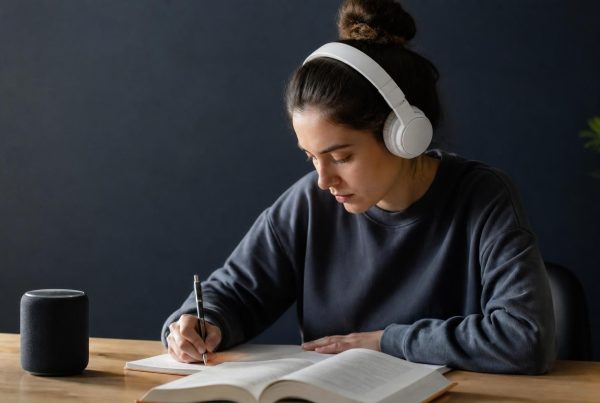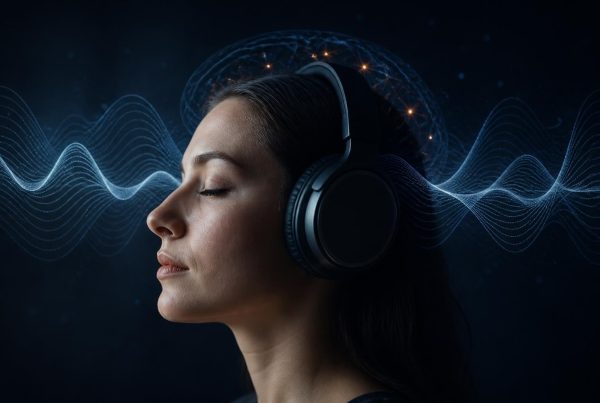
In an age of constant digital interruptions and workplace distractions, finding effective tools to maintain concentration has become essential for productivity. Sound for focus has emerged as a powerful, science-backed approach to creating optimal conditions for deep work, with research revealing that specific audio frequencies and patterns can significantly influence our cognitive performance. Unlike random background noise or typical music playlists, intentionally designed soundscapes work with your brain's natural rhythms to support sustained attention and mental clarity. Understanding how different types of audio affect focus can transform your work sessions from fragmented and frustrating to productive and fulfilling.
How Sound Influences Cognitive Performance
The relationship between audio and concentration operates through multiple neurological pathways. When we hear sounds, our brains process them through the auditory cortex, but the effects extend far beyond simple hearing. Research on background music and attention demonstrates that certain acoustic properties can either enhance or diminish our ability to maintain focus depending on the task at hand.
The Neuroscience Behind Auditory Focus
Our brains are constantly scanning the environment for threats and novelty, a survival mechanism that can work against us in modern work environments. Sound for focus helps by providing a consistent auditory environment that satisfies this scanning impulse without triggering the orienting response that breaks concentration.
Key neurological mechanisms include:
- Masking effect: Consistent sounds cover up unpredictable environmental noises
- Entrainment: Brain waves synchronize with rhythmic audio patterns
- Reduced cognitive load: Familiar soundscapes require less mental processing
- Mood regulation: Certain frequencies influence neurotransmitter release
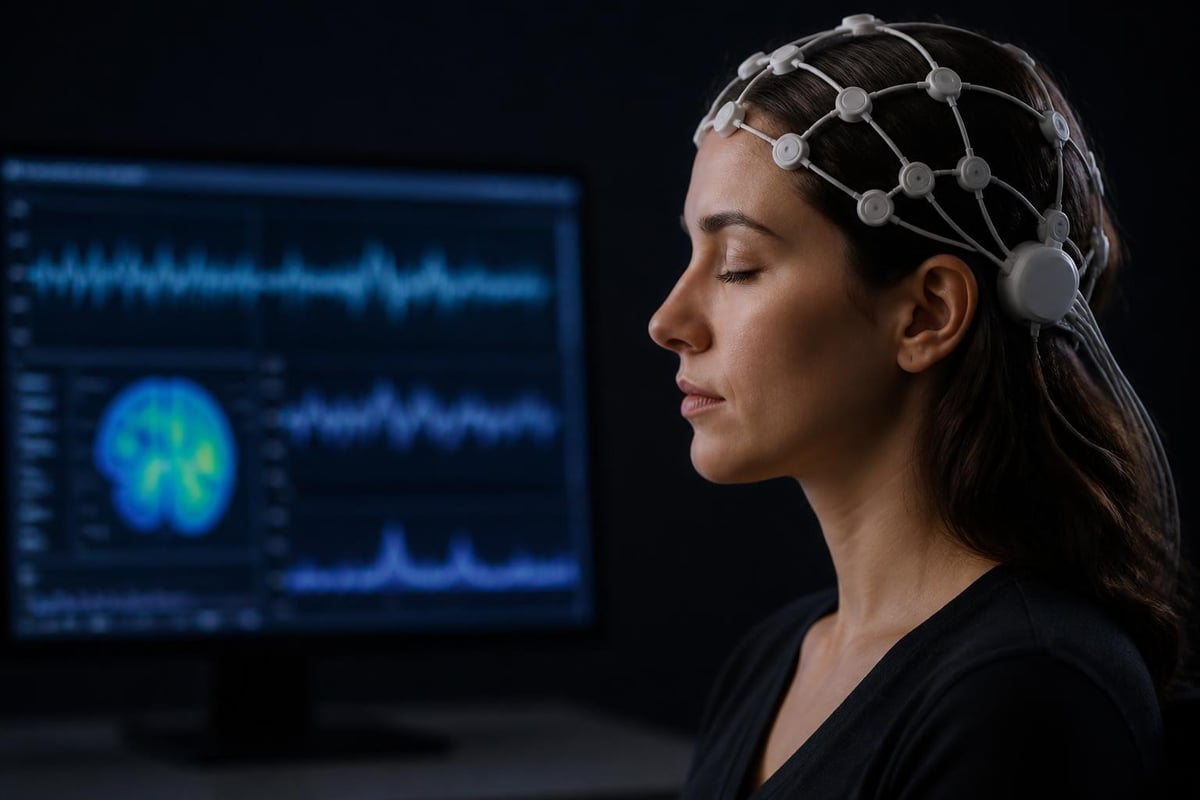
The prefrontal cortex, responsible for executive function and sustained attention, responds differently to various sound types. Studies examining how audio affects human focus using brain-computer interface technology reveal that optimal sound for focus reduces unnecessary neural activity while supporting task-relevant processing.
Types of Sound for Focus and Their Applications
Not all audio environments produce equal results. Understanding the distinct categories of sound for focus helps you select the right approach for specific work scenarios and personal preferences.
White, Pink, and Brown Noise
Noise colors represent different frequency distributions, each offering unique benefits for concentration.
| Noise Type | Frequency Profile | Best For | Characteristics |
|---|---|---|---|
| White Noise | Equal power across frequencies | Blocking sudden sounds | Consistent, hissing quality |
| Pink Noise | More low-frequency emphasis | Sleep and relaxation | Softer, balanced tone |
| Brown Noise | Deepest frequencies dominant | Deep focus work | Rumbling, bass-heavy |
White noise maintains equal energy across all audible frequencies, creating a consistent blanket of sound that masks distracting environmental variations. Pink noise, with its emphasis on lower frequencies, produces a more balanced acoustic environment that many find less fatiguing during extended work sessions. Brown noise goes even deeper, offering the richest bass tones that some users report creates an almost physical sense of calm.
Binaural Beats and Isochronic Tones
These specialized audio technologies use frequency patterns to potentially influence brain wave states. Binaural beats work by playing slightly different frequencies in each ear, with the brain perceiving a third frequency equal to the difference between them.
Isochronic tones present regularly spaced pulses of sound, creating distinct on-off patterns that don't require headphones. While research continues to explore their effectiveness, many users report improved focus when incorporating these tools into their concentration practice.
The proposed benefits include:
- Alpha wave enhancement (8-13 Hz) for relaxed alertness
- Beta wave support (13-30 Hz) for active concentration
- Theta reduction (4-8 Hz) to minimize mind-wandering
- Gamma facilitation (30-100 Hz) for cognitive processing
Nature Sounds and Ambient Soundscapes
Natural audio environments trigger evolutionary responses that promote calm attention. Rain, ocean waves, forest sounds, and flowing water create non-repetitive patterns that engage without demanding conscious processing.
Research participants consistently report that nature-based sound for focus reduces stress while maintaining concentration better than silence or urban noise. These soundscapes work particularly well for tasks requiring creativity and problem-solving rather than memorization or calculation.
Matching Sound Types to Work Tasks
The effectiveness of sound for focus depends heavily on alignment between audio characteristics and task demands. Different types of music and sound affect concentration in ways that vary based on the cognitive requirements of your work.
Analytical and Detail-Oriented Work
Tasks requiring precision, calculation, or careful attention to detail benefit from minimal melodic content. When processing numbers, editing code, or reviewing documents for errors, your working memory needs maximum capacity.
Optimal sound choices:
- Brown or pink noise for steady acoustic backdrop
- Ambient soundscapes without distinct melodies
- Low-tempo instrumental music (60-70 BPM)
- Isochronic tones in beta frequency range
The key principle is reducing competition for auditory processing resources while maintaining environmental consistency that prevents external interruptions from breaking concentration flow.
Creative and Strategic Thinking
Brainstorming, strategic planning, and creative work often benefit from slightly more complex sound for focus options. These tasks engage different neural networks that may actually benefit from moderate stimulation.
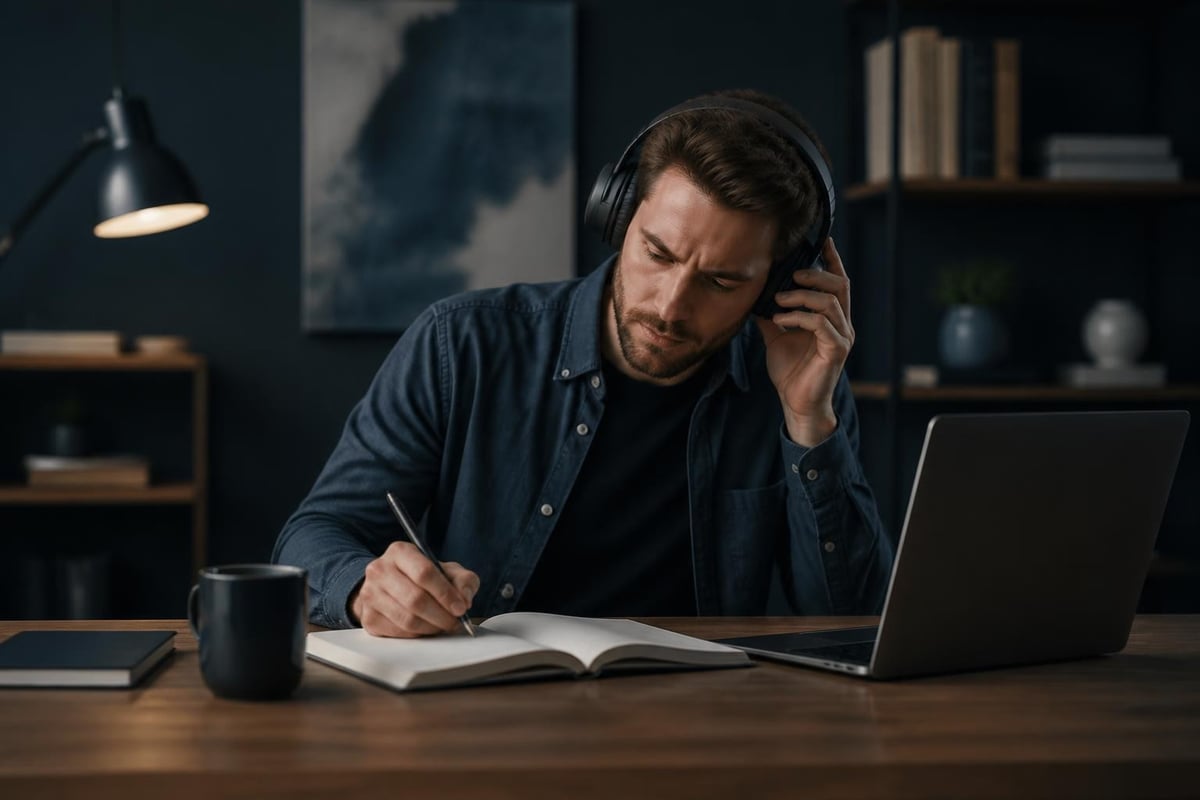
Moderate-tempo music without lyrics, nature sounds with variable patterns, and even certain types of ambient music can support the associative thinking required for innovation. The variation in these soundscapes may help prevent mental stagnation while still maintaining an environment conducive to sustained work.
Reading and Learning
Absorbing new information requires careful balance in your auditory environment. Research on background music’s impact on mood and attention during sustained attention tasks reveals that personal preference plays a significant role in effectiveness.
For optimal comprehension and retention:
- Choose familiar soundscapes that don't require active listening
- Avoid lyrics in languages you understand
- Maintain consistent volume levels
- Consider silence for highly complex material
- Use nature sounds for lighter reading
Building an Effective Sound for Focus Practice
Simply playing audio in the background doesn't guarantee improved concentration. Developing a structured approach maximizes the benefits while helping you discover what works best for your unique needs.
Creating Your Sound Protocol
Start by establishing baseline measurements of your current focus capacity. Track how long you can work without interruption, how frequently you check distractions, and your subjective sense of mental clarity before introducing sound for focus interventions.
| Implementation Phase | Duration | Focus |
|---|---|---|
| Baseline Assessment | 1 week | Track current focus patterns |
| Experimentation | 2-3 weeks | Test different sound types |
| Refinement | 2 weeks | Optimize timing and volume |
| Integration | Ongoing | Build consistent habits |
Volume calibration matters significantly. Sound for focus should remain in the background at a level where you're aware of it if you pay attention but can easily ignore it during work. Most users find optimal results between 50-70 decibels, roughly equivalent to light rainfall or quiet conversation.
Micro-Habits for Enhanced Results
Combining sound strategies with complementary practices amplifies their effectiveness. Consider these evidence-based micro-habits:
- Pre-session ritual: Begin each focus block with two minutes of intentional listening before starting work
- Consistent timing: Use the same soundscapes for similar tasks to build associative learning
- Volume transitions: Gradually increase volume at session start and decrease before breaks
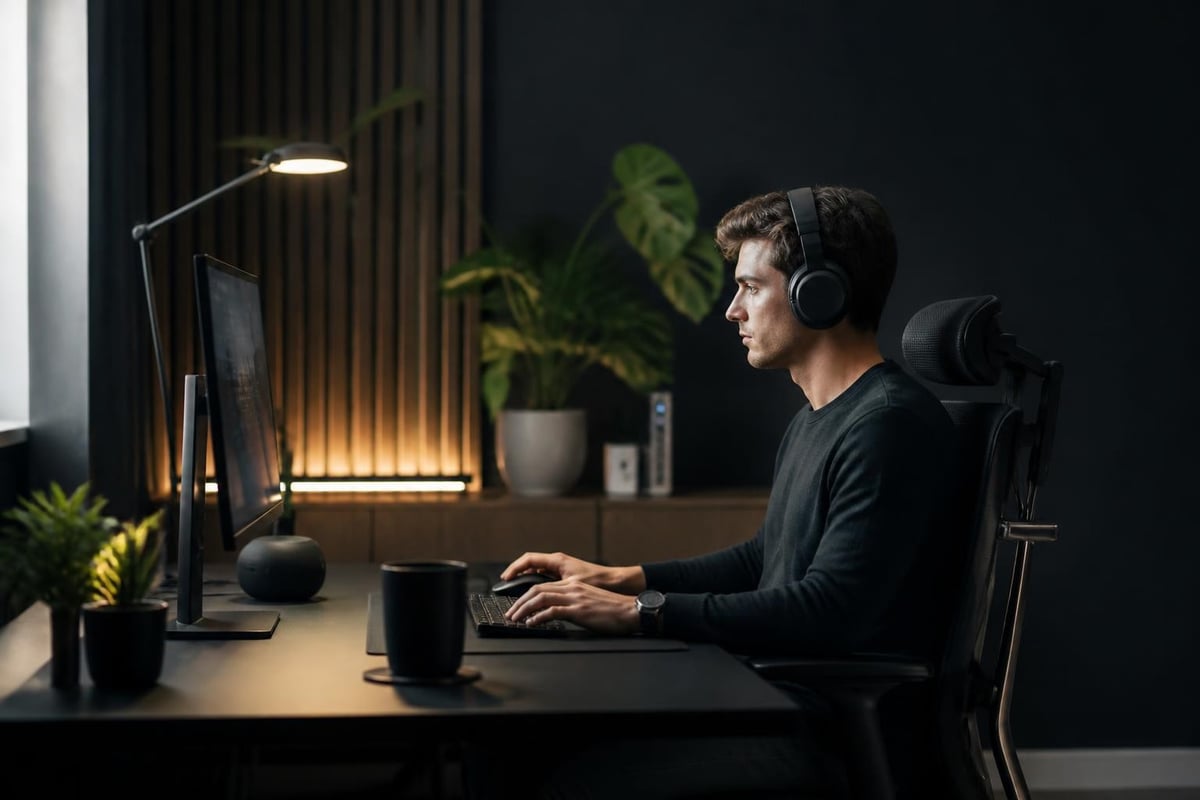
- Headphone selection: Invest in comfortable over-ear headphones for extended sessions
- Environmental preparation: Minimize visual clutter and adjust lighting alongside sound optimization
Avoiding Common Pitfalls
Many people abandon sound for focus prematurely because they make predictable mistakes during initial implementation. The most frequent error involves constantly switching between different sound types, preventing the brain from forming helpful associations.
Watch for these issues:
- Using complex music during tasks requiring verbal processing
- Volume levels too high, creating listening rather than background presence
- Expecting immediate dramatic results instead of gradual improvement
- Neglecting breaks, leading to listening fatigue
- Failing to adjust approach based on task type
Advanced Strategies for Sound Optimization
Once you've established basic sound for focus practices, consider these sophisticated approaches to further enhance results.
Dynamic Soundscapes for Work Sessions
Rather than maintaining identical audio throughout your workday, strategic variation can support natural attention rhythms. The Pomodoro Technique of 25-minute work blocks followed by 5-minute breaks pairs well with corresponding sound transitions.
During active focus periods, employ consistent soundscapes that support deep concentration. During breaks, shift to different audio or silence to create clear mental boundaries between work and rest. This contrast helps prevent adaptation, where your brain begins filtering out the sound completely.
Personalization Through Testing
Individual differences in auditory processing mean that universal recommendations only provide starting points. Systematic testing reveals your optimal sound for focus configuration.
Testing protocol:
- Select one task type for consistency
- Test each sound category for minimum one week
- Measure productivity metrics and subjective experience
- Document energy levels, distraction frequency, and completion quality
- Identify your top three performers for different scenarios
Integration With Environmental Design
Sound represents just one element of an optimized focus environment. Temperature, lighting, ergonomics, and visual aesthetics all contribute to sustained concentration capacity.
Consider how acoustic choices interact with other factors. Cooler room temperatures (68-72°F) pair well with energizing soundscapes, while warmer environments might call for more calming audio to prevent drowsiness. Natural lighting complements nature sounds, creating multisensory coherence that reduces cognitive friction.
The Role of Individual Differences
Response to sound for focus varies considerably based on personality traits, neurodiversity, and learned associations. What enhances concentration for one person might create distraction for another.
Introversion and Extroversion
Research suggests introverts often prefer quieter, simpler soundscapes, while extroverts may benefit from slightly more stimulation. This aligns with arousal theory, which proposes that introverts naturally maintain higher baseline arousal levels and thus require less external stimulation for optimal performance.
Extroverts might find that moderate-tempo music or more complex nature soundscapes help reach their concentration sweet spot, while introverts gravitate toward brown noise or minimal ambient sounds.
Attention and Processing Differences
Individuals with ADHD frequently report significant benefits from sound for focus strategies, particularly white noise and binaural beats. These tools may help regulate attention by providing consistent sensory input that stabilizes focus without requiring active engagement.
Those with auditory processing sensitivities might need to approach sound strategies more carefully, starting with lower volumes and simpler frequencies before advancing to more complex soundscapes.
Cultural and Personal Associations
Your relationship with sound for focus is shaped by prior experiences and cultural background. Someone who grew up in a quiet rural area might initially find any background sound distracting, while someone from an urban environment may need more acoustic density to feel comfortable.
Building positive associations through consistent pairing of specific sounds with productive work sessions strengthens their effectiveness over time. Your brain learns to enter focus mode when it recognizes familiar auditory cues, creating a powerful concentration trigger.
Implementing Sound for Long-Term Success
Sustainable focus practices require more than finding the right soundscape. They demand integration into broader habits, recognition of changing needs, and periodic reassessment to ensure continued effectiveness.
Quarterly review questions:
- Has my response to specific sound types changed over time?
- Are there new work tasks requiring different auditory approaches?
- Do seasonal variations affect my sound preferences?
- Have I fallen into autopilot without conscious optimization?
- Would experimenting with new soundscape types provide fresh benefits?
The most successful practitioners of sound for focus view it as a dynamic practice rather than a static solution. They remain curious about how their needs evolve, adjust their approaches accordingly, and continue learning about emerging research and techniques. This growth mindset transforms sound from a simple productivity hack into a sophisticated tool for cognitive enhancement and well-being.
Sound for focus represents a powerful, accessible strategy for improving concentration and productivity in our distraction-filled world. By understanding the science behind different audio types and matching them strategically to your tasks and preferences, you can create optimal conditions for sustained attention and deep work. Freshhh.app combines research-based soundscapes with practical micro-habits and expert guidance to help you develop a personalized focus practice that goes beyond passive listening to active skill development. Start building your sound-enhanced concentration practice today and experience the difference that intentional auditory design makes in your work and well-being.