Sound frequency therapy has emerged as a powerful tool for managing stress, enhancing focus, and promoting overall mental well-being. This therapeutic approach harnesses specific acoustic frequencies to influence brainwave patterns and physiological responses, offering a non-invasive method for addressing various mental health challenges. As research continues to validate its effectiveness, more individuals are discovering how targeted sound interventions can complement traditional wellness practices and create meaningful improvements in daily cognitive performance.
Understanding the Science Behind Sound Frequency Therapy
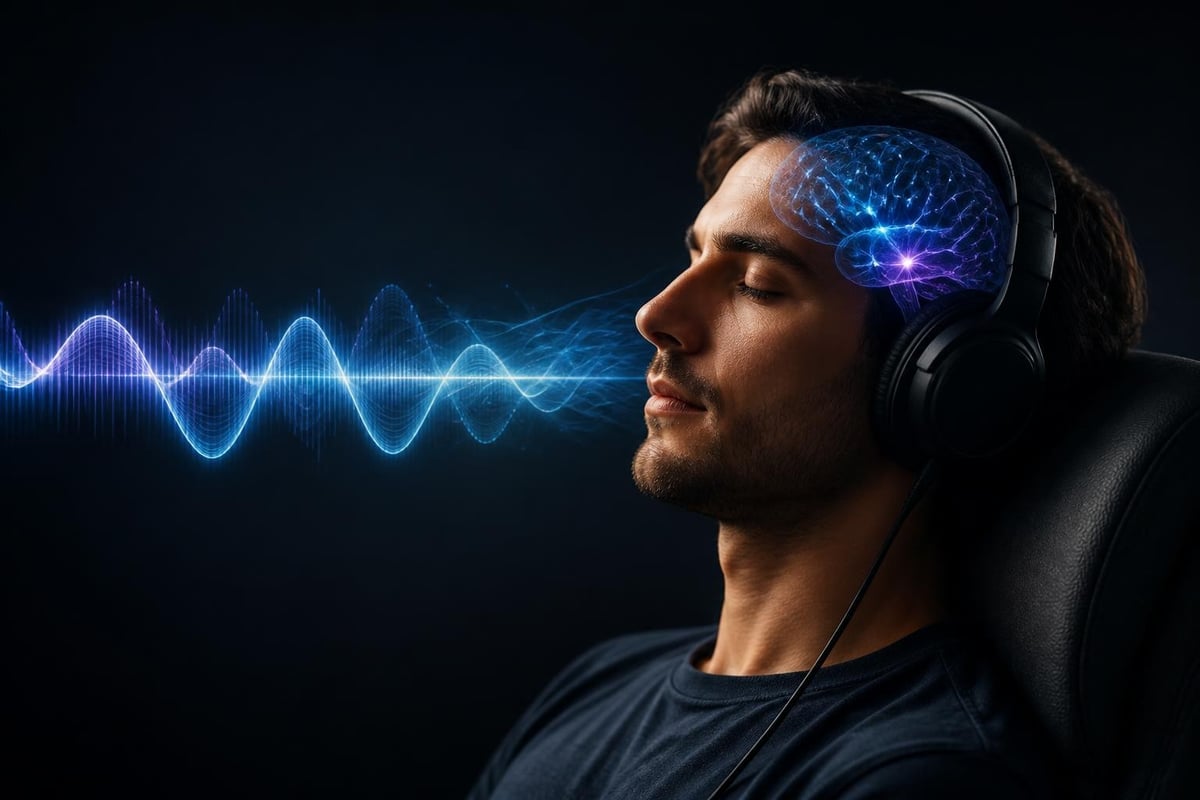
Sound frequency therapy operates on the principle that different frequencies can influence brain activity and physiological states. When you expose your nervous system to specific acoustic patterns, your brain naturally synchronizes with these frequencies through a process called entrainment. This phenomenon allows external sound sources to guide your brainwaves into desired states, whether that's deep focus, relaxation, or enhanced creativity.
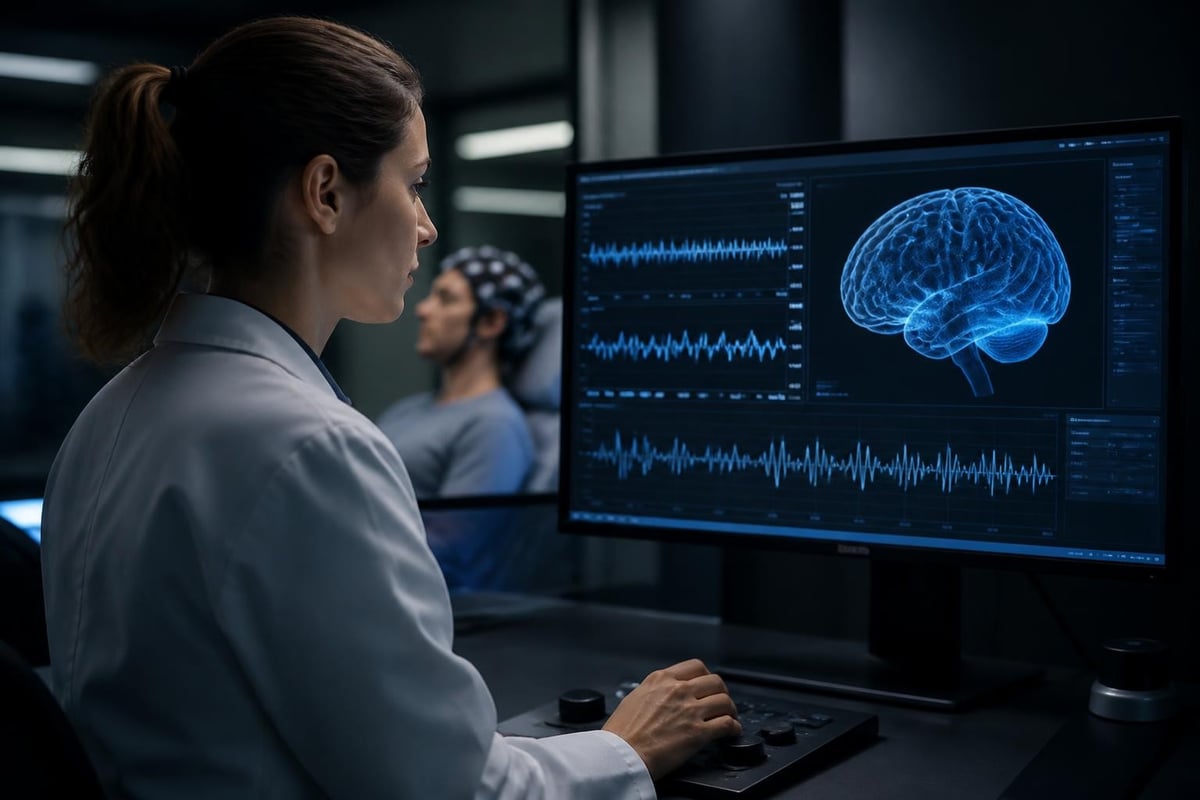
The mechanism behind this process involves the brain's natural tendency to align its electrical activity with rhythmic external stimuli. Research analyzing brain network responses demonstrates how sound frequency and amplitude can induce specific synchronization patterns across neural networks. These patterns correspond to different mental states, from the alert beta waves associated with active thinking to the calm alpha waves linked with relaxation.
Key Frequency Ranges and Their Effects
Different frequency ranges produce distinct physiological and psychological effects:
- Delta waves (0.5-4 Hz): Associated with deep sleep and healing
- Theta waves (4-8 Hz): Linked to meditation, creativity, and memory consolidation
- Alpha waves (8-13 Hz): Connected to relaxed alertness and stress reduction
- Beta waves (13-30 Hz): Related to active thinking and concentration
- Gamma waves (30-100 Hz): Associated with peak cognitive performance and information processing
Understanding these ranges helps practitioners design targeted interventions for specific outcomes. For instance, someone seeking to reduce mental noise might benefit from alpha-range frequencies, while those pursuing enhanced concentration might respond better to beta-range stimulation.
Applications in Focus and Concentration
Sound frequency therapy offers particularly compelling benefits for individuals struggling with attention and focus. The modern work environment presents constant distractions, making sustained concentration increasingly challenging. Targeted acoustic interventions can help train your brain to maintain focus despite these environmental demands.
One popular application involves binaural beats, where slightly different frequencies are played in each ear to create a perceived third frequency in the brain. Studies examining binaural beats for anxiety and ADHD suggest these interventions may help individuals regulate attention and reduce anxiety symptoms. The brain processes this difference as a rhythmic pulse, potentially guiding neural activity toward more focused states.
Practical Implementation for Focus Enhancement
Implementing sound frequency therapy for concentration involves several strategic approaches:
- Identify your optimal frequency range based on the task at hand
- Create a consistent practice schedule to allow neural adaptation
- Combine sound therapy with complementary focus techniques like time-blocking
- Monitor your response and adjust frequencies as needed
- Gradually increase session duration as your brain becomes more responsive
Many professionals integrate these sessions into their daily routines, using morning sessions for mental preparation and afternoon sessions to combat the post-lunch energy dip. The key lies in consistency rather than intensity, allowing your brain to develop stronger entrainment responses over time.
Stress Reduction and Emotional Regulation
Beyond cognitive enhancement, sound frequency therapy demonstrates significant potential for stress management and emotional well-being. Chronic stress creates persistent physiological activation that undermines both mental and physical health. Specific frequencies can help activate the parasympathetic nervous system, promoting relaxation and recovery.
Research on low-frequency sound effects reveals how psychophysiological responses vary based on acoustic variables including room characteristics and stimulus duration. This research underscores the importance of environmental context when designing therapeutic interventions. The same frequency may produce different effects depending on where and how it's experienced.
| Stress Level | Recommended Frequency Range | Session Duration | Expected Outcome |
|---|---|---|---|
| High acute stress | Alpha (8-13 Hz) | 15-20 minutes | Rapid calming response |
| Moderate chronic stress | Theta (4-8 Hz) | 20-30 minutes | Deep relaxation, anxiety reduction |
| General maintenance | Alpha-Theta blend | 10-15 minutes | Sustained equilibrium |
| Pre-sleep tension | Delta-Theta (2-6 Hz) | 20-40 minutes | Sleep preparation |
These protocols provide starting points that individuals can customize based on personal response patterns. Some people achieve rapid relaxation with brief alpha-range exposure, while others require longer theta-range sessions for comparable results.
Clinical Applications and Therapeutic Uses
Sound frequency therapy has found applications across various clinical contexts, from pain management to tinnitus treatment. Healthcare providers increasingly recognize these interventions as valuable complementary tools within comprehensive treatment plans.
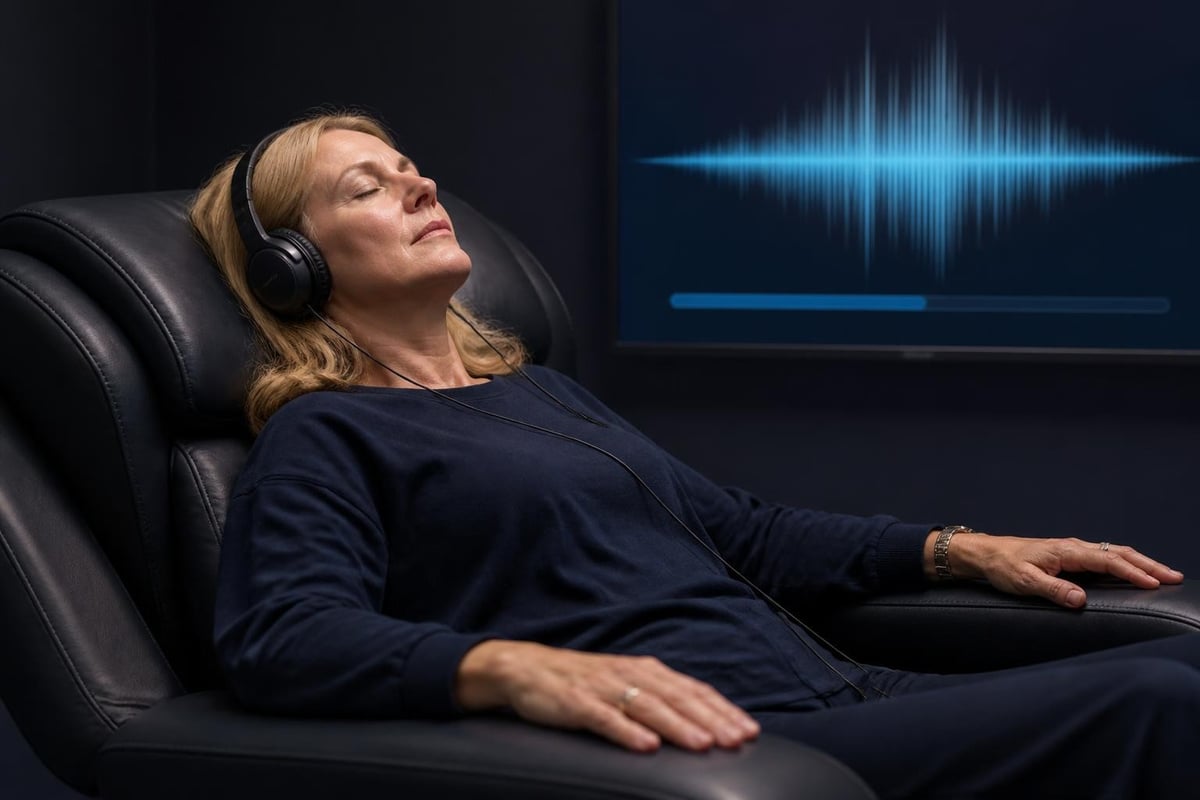
Vibroacoustic therapy represents one specialized application where patients experience sound frequencies through both auditory and tactile channels. This therapeutic approach combines audible frequencies with vibrations that patients feel through specialized equipment, creating multi-sensory stimulation that may enhance therapeutic effects.
Tinnitus Management
Tinnitus, characterized by persistent ringing or buzzing in the ears, affects millions of individuals worldwide. Sound-based interventions have become cornerstone treatments for this challenging condition. Evidence reviews from NICE evaluate how sound therapy and amplification devices can help manage tinnitus symptoms by providing acoustic stimulation that masks or reduces the perception of phantom sounds.
More recent developments include frequency-customized approaches. A 2025 study on digital frequency customized sound assessed how personalized acoustic interventions might improve outcomes for chronic subjective tinnitus. These customized approaches represent the evolution toward precision medicine in sound frequency therapy, tailoring interventions to individual patient characteristics.
Integration with Broader Wellness Practices
Sound frequency therapy achieves optimal results when integrated within comprehensive wellness frameworks rather than used as an isolated intervention. This holistic approach recognizes that mental clarity and emotional balance emerge from multiple reinforcing practices.
Music and meditation represent natural companions to frequency-based interventions. While meditation cultivates present-moment awareness and metacognitive skills, targeted frequencies can facilitate the neural states that make meditation more accessible. Similarly, combining sound therapy with movement practices, proper nutrition, and adequate sleep creates synergistic effects that amplify individual benefits.
Building a Personalized Sound Therapy Protocol
Creating an effective personal protocol requires attention to several key factors:
Assessment Phase:
- Document your current stress levels, focus capacity, and sleep quality
- Identify specific times when symptoms peak
- Note environmental factors that influence your mental state
- Establish baseline measurements for tracking progress
Implementation Phase:
- Start with short sessions (10-15 minutes) to assess tolerance
- Experiment with different frequency ranges for various needs
- Maintain a practice journal documenting responses
- Adjust timing, duration, and frequencies based on outcomes
Optimization Phase:
- Identify patterns in what works best for different situations
- Develop specialized protocols for common challenges
- Integrate successful elements into daily routines
- Periodically reassess and refine your approach
This systematic approach prevents the common mistake of abandoning sound frequency therapy before giving it adequate time to produce results. Neural entrainment strengthens with consistent practice, making patience essential for realizing full benefits.
The Role of Quality and Acoustic Precision
Not all sound frequency interventions deliver equivalent results. The quality of acoustic design significantly influences therapeutic effectiveness. Poorly constructed soundscapes may lack the precision necessary for reliable entrainment, or worse, include frequencies that work against intended outcomes.
Brain optimization through sound requires careful attention to several acoustic parameters beyond simple frequency selection. These include wave purity, harmonic complexity, amplitude modulation, and spatial characteristics. Professional-grade interventions typically involve collaboration between neuroscientists and acoustic engineers to ensure optimal therapeutic properties.
| Quality Factor | Impact on Effectiveness | Professional Standard | Consumer Warning Signs |
|---|---|---|---|
| Frequency precision | High – determines entrainment accuracy | ±0.1 Hz tolerance | Vague frequency claims |
| Harmonic purity | Medium – affects listening comfort | THD <1% | Harsh or grating sounds |
| Background masking | High – reduces external disruption | Research-based design | Generic nature sounds |
| Spatial design | Medium – enhances immersion | Binaural/3D audio | Mono or basic stereo |
These technical considerations explain why professionally designed sound frequency therapy often outperforms casual consumer applications. The difference lies not just in frequency selection but in the comprehensive acoustic engineering that supports effective neural entrainment.
Bioenergetic Perspectives and Emerging Research
Beyond conventional neuroscience frameworks, some practitioners explore sound frequency therapy through bioenergetic lenses. These perspectives examine how acoustic frequencies might influence the body's energy systems and biofield, proposing mechanisms that extend beyond standard neurological models.
While these theories remain more speculative than established neuroscience principles, they've inspired interesting research directions. Some studies investigate whether specific frequencies influence cellular processes, immune function, or other physiological systems beyond the nervous system. The challenge lies in designing rigorous experiments that can definitively establish these effects while controlling for placebo and expectation influences.
Evidence-Based Practice in 2026
As we advance through 2026, the sound frequency therapy field continues maturing toward more rigorous evidence standards. Researchers increasingly employ randomized controlled trials, larger sample sizes, and sophisticated neuroimaging to understand mechanisms and validate effects. This scientific evolution benefits practitioners and users by identifying which applications rest on solid evidence versus preliminary findings.
The most credible applications currently include:
- Focus enhancement through beta-range stimulation
- Stress reduction via alpha-wave entrainment
- Sleep improvement using delta-theta frequencies
- Meditation support through theta-range facilitation
- Tinnitus management with customized masking
These applications demonstrate consistent effects across multiple studies and align with established neuroscience principles. More speculative applications may hold promise but require additional research before reaching the same evidence threshold.
Practical Considerations for Daily Use
Successfully integrating sound frequency therapy into daily life requires attention to practical details that determine whether good intentions translate into consistent practice. The most scientifically validated protocol delivers no benefits if logistical barriers prevent regular use.
Environmental optimization plays a crucial role. You'll achieve better results in quiet spaces where external sounds don't compete with therapeutic frequencies. However, perfect silence isn't always necessary or available. Quality headphones can create effective acoustic isolation even in moderately noisy environments, making sound frequency therapy accessible during commutes, lunch breaks, or other in-between moments.
Session timing significantly influences outcomes. Many people find morning sessions help establish focused mental states that persist throughout the day. Others prefer afternoon sessions to combat energy dips or evening sessions to facilitate the transition toward sleep. Experiment with different times to discover what best serves your individual rhythms and needs.
Duration considerations involve balancing effectiveness with sustainability. While longer sessions may produce stronger immediate effects, shorter sessions you'll actually complete regularly often deliver superior long-term results. Starting with manageable 10-15 minute sessions builds the habit foundation that supports eventual expansion to longer practices.
Technology and Accessibility
Modern technology has democratized access to sound frequency therapy in unprecedented ways. Specialized apps now deliver professionally designed soundscapes that previously required expensive clinical equipment. This accessibility enables more people to explore these interventions and discover their personal benefits.
However, increased accessibility also brings quality control challenges. The market includes both carefully researched applications developed by qualified professionals and poorly designed products making unsupported claims. Users benefit from understanding basic quality indicators and seeking interventions backed by transparent research and qualified expertise.
Combining Sound Therapy with Behavioral Techniques
Sound frequency therapy achieves maximum impact when paired with complementary behavioral strategies. The acoustic intervention creates supportive neural conditions, while behavioral techniques leverage these conditions for specific outcomes. This combination addresses both the physiological and psychological dimensions of mental performance.
For focus applications, consider pairing beta-range frequencies with:
- Time-blocking methods that create structured work periods
- Environmental cues that signal focused work mode
- Digital minimization reducing notification interruptions
- Strategic breaks maintaining cognitive freshness
- Task batching grouping similar activities for efficiency
For stress management, alpha-theta frequencies work well alongside:
- Breath awareness practices
- Progressive muscle relaxation
- Cognitive reframing techniques
- Gratitude journaling
- Movement-based stress release
This integrated approach recognizes that sound frequency therapy provides a foundation rather than a complete solution. The frequencies create favorable conditions for focus, relaxation, or creativity, but intentional practices and behavioral habits determine how effectively you capitalize on those conditions.
Measuring Personal Progress and Outcomes
Establishing clear metrics helps you assess whether sound frequency therapy delivers meaningful benefits for your specific needs. Subjective impressions provide valuable information, but systematic tracking reveals patterns that might otherwise escape notice.
Consider tracking multiple outcome dimensions:
- Cognitive metrics: Focus duration, task completion rates, creative output
- Emotional indicators: Stress levels, mood stability, anxiety frequency
- Physical markers: Sleep quality, tension levels, energy patterns
- Behavioral changes: Productivity habits, reaction to stressors, routine consistency
- Subjective experience: Overall well-being, life satisfaction, mental clarity
Digital tools can simplify this tracking process, though simple journal entries also work effectively. The key lies in consistent measurement that spans sufficient time for patterns to emerge. Short-term fluctuations may obscure longer-term trends, making patience essential when evaluating effectiveness.
Many users notice subtle improvements within the first week of consistent practice, with more substantial changes emerging over four to eight weeks as neural entrainment pathways strengthen. Setting realistic timeframes prevents premature abandonment of potentially beneficial practices.
Sound frequency therapy represents a scientifically supported approach to enhancing mental performance and emotional well-being through targeted acoustic interventions. By understanding the mechanisms behind neural entrainment and implementing evidence-based protocols, you can harness specific frequencies to support focus, reduce stress, and optimize cognitive function. Freshhh.app takes this science-backed approach further by combining professionally designed soundscapes with practical micro-habits and research-based techniques that help you train your mind for sustained concentration and genuine calm. Experience how acoustic precision meets behavioral science to create lasting improvements in mental clarity and performance.