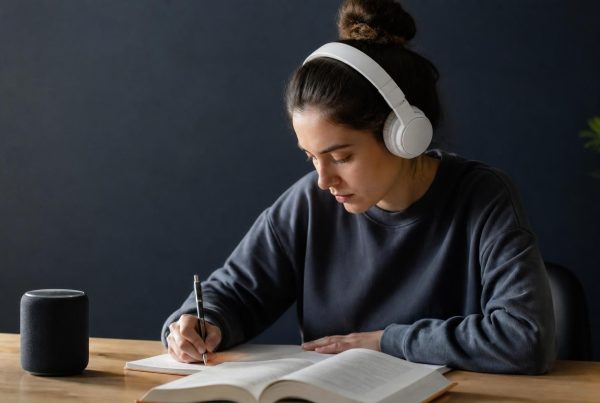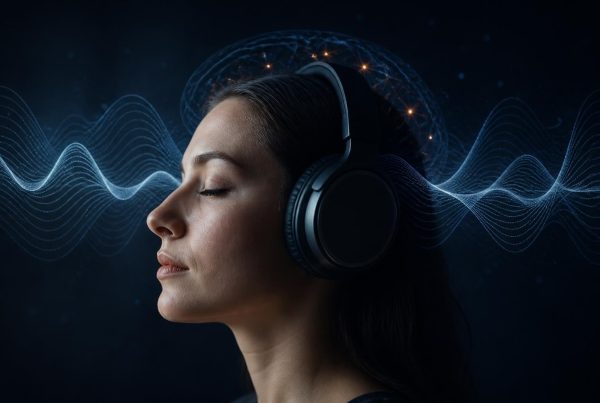
Sound frequency treatment represents a growing intersection between ancient healing practices and modern neuroscience. This therapeutic approach uses carefully calibrated sound waves and vibrations to influence physiological and psychological states, from reducing stress and anxiety to enhancing focus and mental clarity. As digital health solutions evolve, sound frequency treatment has moved beyond clinical settings into accessible applications that integrate scientific research with practical daily use.
Understanding the Fundamentals of Sound Frequency Treatment
Sound frequency treatment operates on the principle that specific sound waves can influence our body's natural rhythms and processes. Every sound carries a frequency, measured in Hertz (Hz), that determines its pitch and potential therapeutic effects. Low-frequency sounds (typically below 500 Hz) can create physical vibrations that resonate through body tissues, while higher frequencies may influence brainwave patterns and neural activity.
The human body responds to these frequencies through multiple pathways. Vibroacoustic therapy, which uses low-frequency sound vibrations typically between 20-120 Hz, provides one well-researched application of this principle. Research on vibroacoustic therapy mechanisms demonstrates how these vibrations can affect muscle tension, circulation, and even neurological function.
Frequency Ranges and Their Applications
Different frequency ranges serve distinct therapeutic purposes:
- Delta waves (0.5-4 Hz): Support deep sleep and restorative processes
- Theta waves (4-8 Hz): Facilitate meditation and creative thinking
- Alpha waves (8-13 Hz): Promote relaxation and stress reduction
- Beta waves (13-30 Hz): Enhance focus and cognitive performance
- Gamma waves (30-100 Hz): Associated with peak mental processing
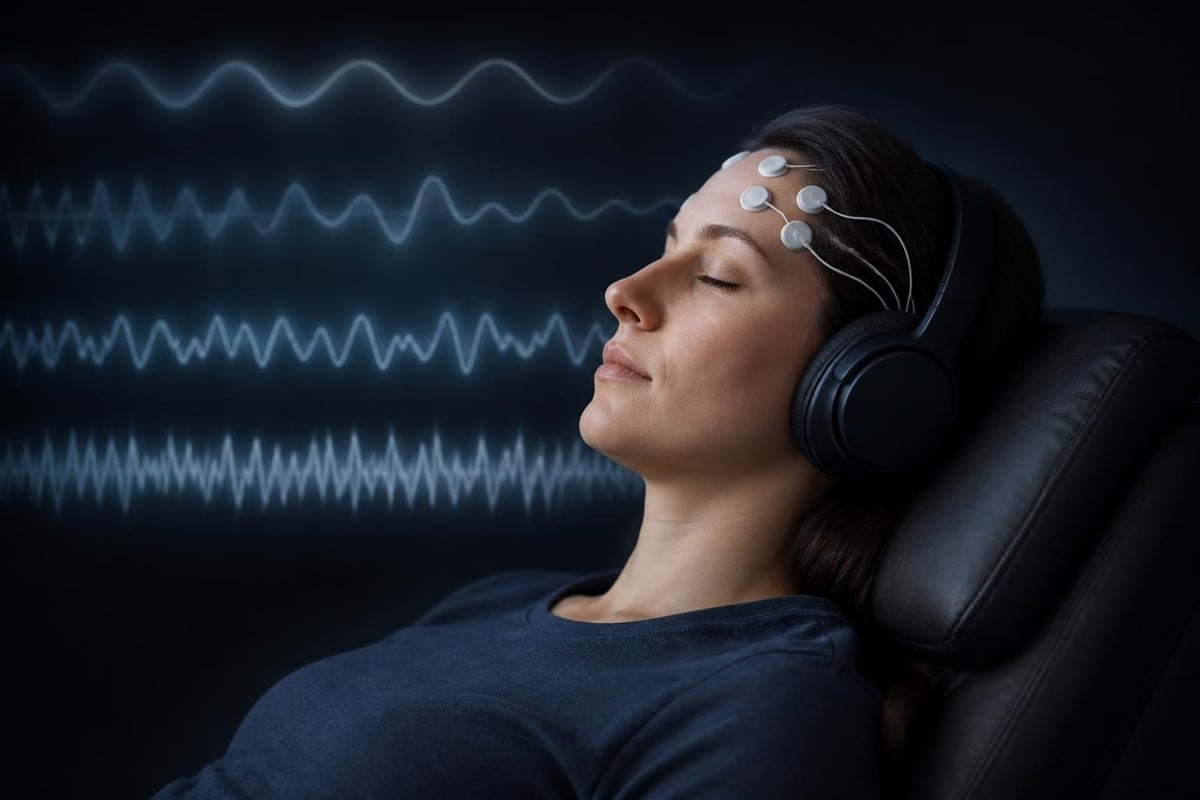
These frequencies align with natural brainwave patterns, creating a phenomenon called entrainment where the brain synchronizes its electrical activity to external rhythmic stimuli. This neurological response forms the foundation for many sound frequency treatment applications.
Clinical Applications and Research Evidence
Sound frequency treatment has demonstrated measurable effects across various clinical contexts. A comprehensive evidence review on sound therapy for tinnitus examined its effectiveness in managing chronic auditory conditions. The findings suggest that frequency-specific approaches can provide relief when properly calibrated to individual needs.
Recent research has expanded our understanding of how environmental factors influence treatment outcomes. Studies examining low-frequency sound effects on psychophysiological responses reveal that variables such as room acoustics, stimulus duration, and individual sensitivity all play crucial roles in therapeutic effectiveness.
Documented Benefits Across Conditions
| Condition | Frequency Application | Evidence Level |
|---|---|---|
| Chronic Pain | 40-80 Hz vibroacoustic | Moderate to Strong |
| Anxiety Disorders | 8-13 Hz (alpha range) | Moderate |
| Tinnitus | Personalized frequency matching | Moderate |
| Sleep Disorders | 0.5-4 Hz (delta range) | Emerging |
| ADHD/Focus Issues | 13-30 Hz (beta range) | Emerging |
The field continues to evolve as researchers develop more sophisticated protocols. A recent prospective study on digital frequency-customized sound for tinnitus management demonstrated significant improvements in symptom severity when treatment was personalized to each patient's specific frequency profile.
Mechanisms: How Sound Frequencies Affect the Body
Sound frequency treatment works through multiple biological pathways, creating both immediate and cumulative effects. Mechanical vibrations from low-frequency sound directly stimulate mechanoreceptors in tissues, triggering responses in the nervous system. These vibrations can influence everything from muscle relaxation to cellular metabolism.
Neurological entrainment represents another key mechanism. When exposed to rhythmic auditory stimuli, neurons in the auditory cortex fire in synchrony with the external frequency. This synchronized activity can spread to other brain regions, influencing mood, cognition, and autonomic functions.
The Role of Resonance and Cellular Response
Every tissue and organ in the body has natural resonant frequencies. When external sound matches these frequencies, it creates sympathetic resonance, amplifying the therapeutic effect. This principle explains why specific frequencies target particular symptoms or body systems more effectively than others.
The autonomic nervous system responds particularly well to sound frequency treatment. Parasympathetic activation, which promotes rest and recovery, can be triggered by specific low-frequency patterns. Conversely, certain frequency combinations stimulate alertness and focused attention without the jittery effects of chemical stimulants.
Research into sound frequency therapy and bioenergetics explores how these vibrations may influence cellular function and energy production, though these mechanisms require further investigation to establish definitive causal relationships.
Practical Implementation for Focus and Mental Clarity
Sound frequency treatment offers practical applications for everyday cognitive enhancement. Unlike passive background music, properly designed frequency treatments actively engage neural networks responsible for attention, working memory, and executive function. This distinction matters for anyone seeking to improve productivity and mental performance.
Beta frequency stimulation (13-30 Hz) has shown promise in supporting sustained attention. When incorporated into soundscapes with appropriate acoustic qualities, these frequencies can help maintain focus during demanding cognitive tasks. The key lies in proper implementation that considers individual variability and task requirements.
Designing an Effective Sound Therapy Practice
- Identify your primary goal: Focus enhancement, stress reduction, or sleep improvement
- Select appropriate frequency ranges: Match frequencies to desired mental states
- Establish consistent timing: Regular sessions build cumulative benefits
- Monitor your response: Track subjective and objective measures of progress
- Adjust parameters: Refine frequency, duration, and timing based on results
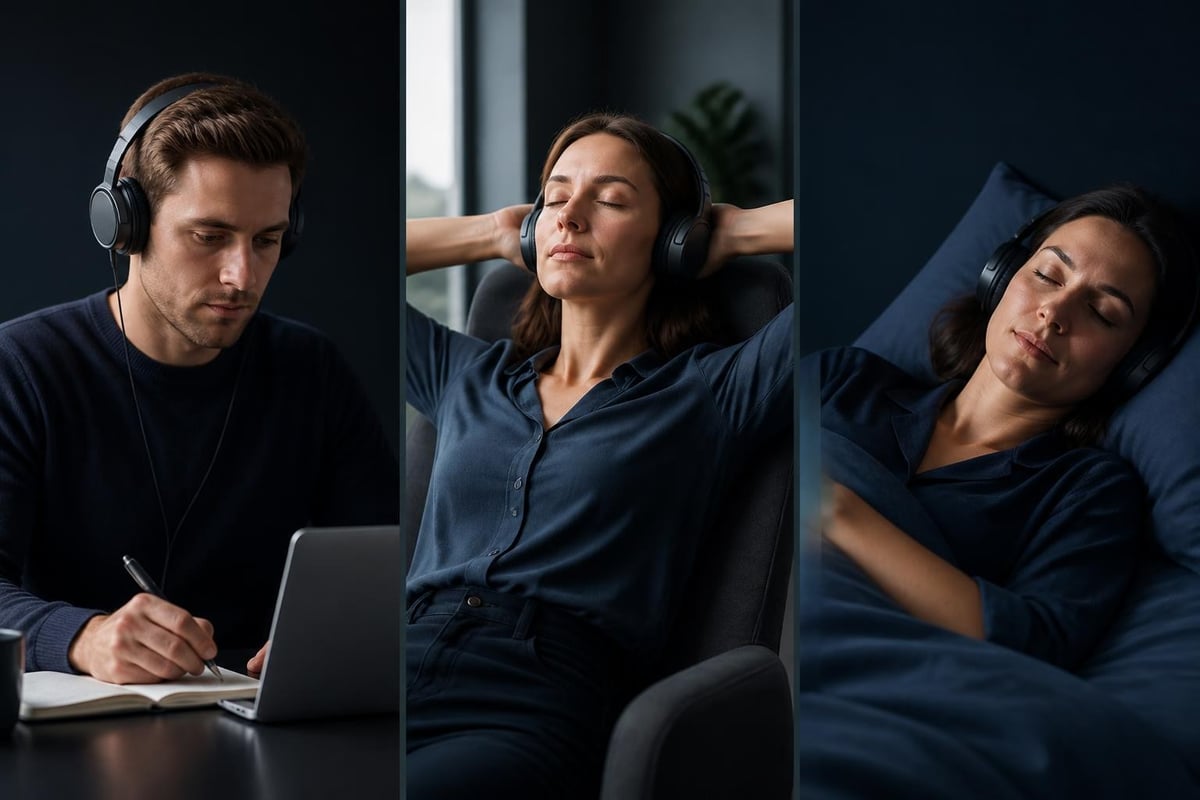
Duration and frequency of sessions significantly impact outcomes. Research suggests that sessions ranging from 15-45 minutes provide optimal benefits for most applications. Daily consistency appears more important than session length, as the brain adapts to regular frequency exposure over time.
| Session Type | Optimal Duration | Best Time of Day | Primary Benefit |
|---|---|---|---|
| Focus Enhancement | 20-30 minutes | Morning or early afternoon | Cognitive performance |
| Stress Reduction | 15-20 minutes | Midday or post-work | Nervous system regulation |
| Deep Relaxation | 30-45 minutes | Evening | Sleep preparation |
| Creative Flow | 25-35 minutes | Flexible | Problem-solving and innovation |
Integration with Behavioral Techniques
Sound frequency treatment achieves maximum effectiveness when combined with complementary behavioral strategies. This integrated approach leverages both neurological entrainment and conscious habit formation. Micro-habits, small behavioral changes practiced consistently, synergize with frequency-based interventions to create lasting improvements.
For focus enhancement, pairing beta-frequency soundscapes with structured work intervals amplifies both interventions. The sound frequencies prime neural networks for sustained attention while the behavioral framework provides clear objectives and rest periods. This combination addresses both neurological and psychological aspects of concentration.
Building a Comprehensive Mind-Training Program
Sound frequency treatment serves as an anchor for broader mental wellness practices. Environmental optimization, including lighting, temperature, and physical workspace arrangement, enhances the effects of acoustic interventions. When your environment supports the mental state you're cultivating through sound, results compound.
Mindfulness practices integrate naturally with frequency-based approaches. Brief awareness exercises before or during sound therapy sessions help direct attention to subtle shifts in mental state, strengthening the mind's ability to recognize and maintain desired states independently.
The science-backed approach offered by platforms like Freshhh.app demonstrates this integration, combining research-based acoustic techniques with practical behavioral strategies that extend beyond the listening session itself.
Vibroacoustic Therapy: A Specialized Application
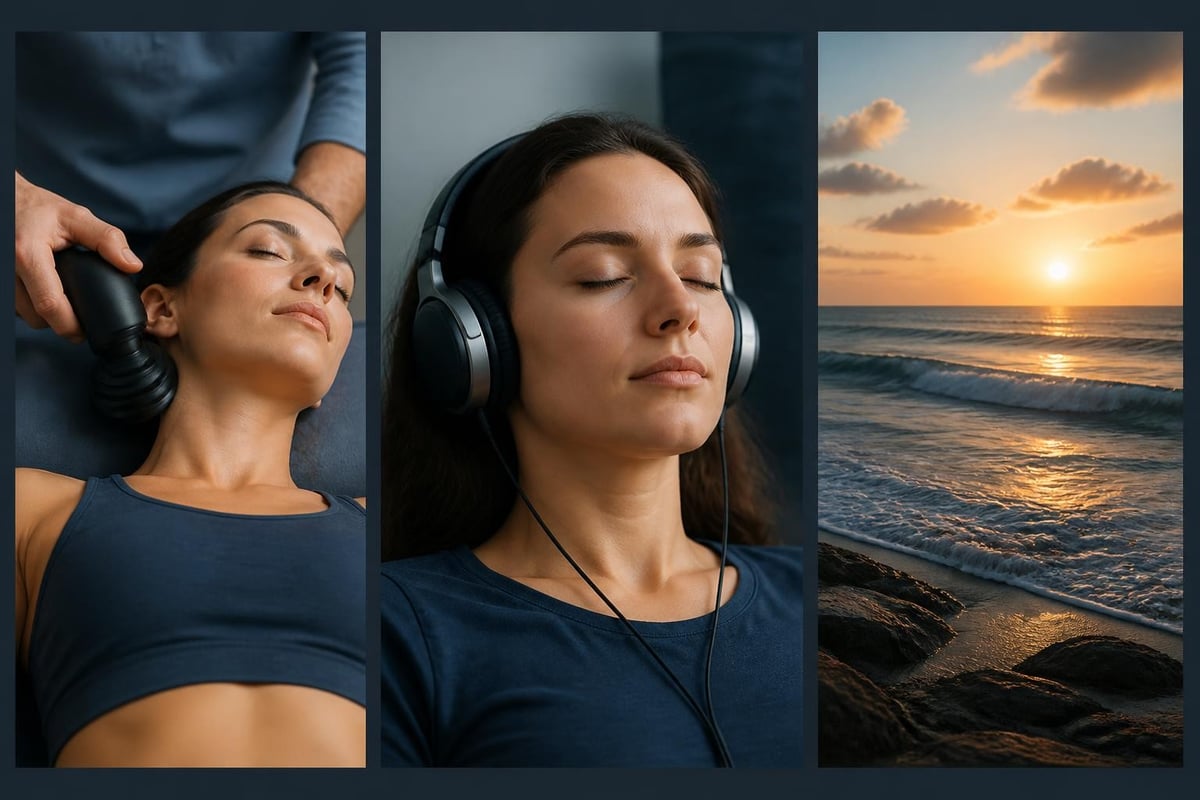
Vibroacoustic therapy represents a specific modality within sound frequency treatment that uses low-frequency sound vibrations applied directly to the body. This approach typically employs specialized equipment such as acoustic beds or chairs embedded with speakers or transducers. The comprehensive vibroacoustic guide provides detailed information about clinical protocols and research foundations for this therapeutic method.
Physical vibrations at frequencies between 20-120 Hz penetrate tissues, creating mechanical effects distinct from auditory stimulation alone. These vibrations can reduce muscle tension, improve circulation, and modulate pain perception through direct tissue stimulation and nervous system interaction.
Clinical Settings and Accessibility
Traditionally available only in clinical or therapeutic settings, vibroacoustic therapy required specialized equipment and professional supervision. Recent technological advances have made modified versions more accessible, though the most powerful therapeutic applications still benefit from professional guidance.
Research continues to explore optimal parameters for different conditions:
- Fibromyalgia and chronic pain: 40-60 Hz shows promising results
- Parkinson's disease symptoms: 30-40 Hz may reduce tremors
- Anxiety and stress disorders: 50-80 Hz promotes relaxation
- Sleep disturbances: 20-30 Hz supports deeper rest
The distinction between whole-body vibroacoustic therapy and auditory frequency treatment matters for setting appropriate expectations. While both use sound frequencies therapeutically, they engage different physiological pathways and produce distinct effects.
Personalization and Individual Response Variability
One of the most important considerations in sound frequency treatment involves individual variability. Research consistently demonstrates that people respond differently to the same frequencies based on factors including neurological makeup, prior experiences, current mental state, and even genetic variations affecting auditory processing.
Frequency customization improves outcomes significantly. Rather than applying standardized frequencies universally, effective protocols adjust parameters based on individual assessment and ongoing response monitoring. This personalized approach acknowledges that optimal frequencies for focus, relaxation, or other goals vary between individuals.
Factors Influencing Treatment Response
Several variables affect how you respond to sound frequency treatment:
- Baseline brainwave patterns: Natural tendencies toward certain mental states
- Auditory sensitivity: Individual thresholds for frequency perception
- Stress levels: Current autonomic nervous system state
- Sleep quality: Impacts neurological responsiveness
- Medication use: Certain drugs alter frequency processing
- Age-related changes: Auditory system changes affect frequency perception
Self-monitoring becomes crucial for optimizing personal protocols. Tracking subjective experiences alongside objective measures (focus duration, sleep quality, stress indicators) helps identify which frequencies and durations work best for your unique neurology.
Digital Solutions and Modern Accessibility
The evolution of digital technology has transformed sound frequency treatment from a primarily clinical intervention to an accessible daily practice. Smartphone applications and specialized platforms now deliver research-based frequency protocols without requiring expensive equipment or clinical visits. This democratization expands access while maintaining scientific rigor.
Modern digital solutions offer advantages beyond simple convenience. Adaptive algorithms can adjust frequencies in real-time based on user feedback or biometric data. Usage tracking provides insights into patterns and progress over time. Combination protocols seamlessly blend multiple frequencies to address complex goals.
Quality varies significantly across available options. Effective platforms distinguish themselves through several characteristics:
- Research foundation: Protocols based on peer-reviewed studies
- Acoustic engineering: Professional sound design and frequency precision
- Behavioral integration: Practical strategies beyond passive listening
-
- User customization: Adjustable parameters for individual needs
- Transparent methodology: Clear explanation of approaches and evidence
The integration of sound frequency treatment with comprehensive wellness strategies represents the current frontier. Rather than treating acoustic interventions as isolated tools, advanced platforms embed them within structured programs addressing multiple aspects of mental performance and well-being.
Safety Considerations and Contraindications
While sound frequency treatment generally presents minimal risk, certain precautions warrant attention. Volume levels require careful management, as excessive loudness can damage hearing regardless of frequency content. Most therapeutic applications use moderate volumes that allow conversation without strain.
Medical device interference represents a consideration for people with pacemakers or other electronic implants. While typical auditory frequency treatment poses minimal risk, powerful vibroacoustic systems generating strong physical vibrations require medical consultation before use.
When to Seek Professional Guidance
Certain situations call for professional involvement rather than self-directed treatment:
- Epilepsy or seizure disorders: Some frequencies may trigger seizures in susceptible individuals
- Severe mental health conditions: Professional integration with existing treatment
- Chronic pain syndromes: Medical oversight ensures appropriate complementary use
- Pregnancy: Limited research on effects during fetal development
- Recent surgery or injury: Physical vibrations may affect healing tissues
Adverse reactions, though rare, can occur. These typically involve temporary discomfort such as headaches, dizziness, or increased anxiety. Reducing session duration or adjusting frequencies usually resolves these issues. Persistent negative reactions warrant discontinuation and professional consultation.
Most people can safely incorporate sound frequency treatment into daily routines with basic precautions. Starting with shorter sessions and lower volumes, then gradually increasing as tolerance builds, provides a conservative approach that minimizes risks while establishing effectiveness.
Measuring Progress and Setting Realistic Expectations
Effective use of sound frequency treatment requires appropriate expectations and meaningful progress tracking. Immediate effects vary by frequency type and individual responsiveness. Some people notice enhanced focus or relaxation within minutes, while others require consistent practice over weeks to perceive benefits.
Cumulative effects often exceed immediate responses. Regular exposure to therapeutic frequencies appears to create neurological adaptations that strengthen over time. This suggests that consistency matters more than perfect session execution or immediate dramatic results.
Objective and Subjective Metrics
| Measurement Type | Assessment Method | Evaluation Frequency |
|---|---|---|
| Focus duration | Timed work sessions | Daily |
| Stress levels | Validated scales (PSS) | Weekly |
| Sleep quality | Sleep tracking apps or journals | Daily |
| Cognitive performance | Working memory tasks | Bi-weekly |
| Subjective well-being | Mood and energy ratings | Daily |
Behavioral markers provide concrete evidence of improvement. Tracking work output, decision-making quality, emotional regulation, and interpersonal interactions offers practical indicators beyond subjective feelings. These real-world measures demonstrate whether sound frequency treatment translates to meaningful life changes.
Setting timeframe expectations prevents premature discontinuation. While some benefits manifest quickly, significant neurological changes typically require 4-8 weeks of consistent practice. This timeline aligns with broader research on habit formation and neuroplasticity.
The Future of Sound Frequency Treatment
Emerging research continues expanding our understanding of sound frequency treatment mechanisms and applications. Neuroimaging studies using fMRI and EEG provide increasingly detailed maps of how specific frequencies affect brain activity. This granular knowledge enables more precise protocol development targeting specific neural networks.
Artificial intelligence integration represents a promising frontier. Machine learning algorithms can analyze individual response patterns to optimize frequency selection, timing, and combinations. This personalization at scale could dramatically improve outcomes while reducing trial-and-error experimentation.
Several research directions show particular promise:
- Combination protocols: Synergistic effects of multiple frequency ranges
- Task-specific optimization: Tailored frequencies for distinct cognitive demands
- Biomarker-guided treatment: Real-time adjustments based on physiological feedback
- Long-term neuroplasticity: Sustained structural brain changes from chronic use
- Population-specific applications: Protocols optimized for age groups or conditions
The convergence of neuroscience, acoustic engineering, and digital health technology positions sound frequency treatment as an increasingly sophisticated tool for cognitive enhancement and mental wellness. As research evidence accumulates and delivery platforms improve, this approach will likely become a standard component of comprehensive brain health strategies.
Sound frequency treatment offers a scientifically grounded approach to enhancing focus, reducing stress, and optimizing mental performance through precisely calibrated acoustic interventions. The most effective implementation combines research-based frequencies with behavioral strategies that extend beyond passive listening. Freshhh.app integrates these elements into a comprehensive platform, delivering soundscapes developed with acoustic researchers alongside practical micro-habits that train your mind for sustained improvement. Whether you're seeking sharper focus, deeper calm, or better stress management, this science-backed approach provides the tools and guidance to achieve measurable results.