Anxiety disorders affect over 40 million adults in the United States alone, making them one of the most common mental health challenges of our time. While traditional treatments like cognitive behavioral therapy and medication remain essential for many, an increasing number of people are turning to complementary approaches that harness the therapeutic potential of sound. Sound therapy for anxiety represents a growing field where ancient practices meet modern neuroscience, offering accessible, non-invasive tools for managing stress and promoting mental well-being.
Understanding the Science Behind Sound Therapy for Anxiety
Sound therapy encompasses a range of techniques that use auditory stimuli-music, tones, nature sounds, or rhythmic patterns-to influence physiological and psychological states. The mechanisms through which sound affects anxiety are multifaceted and well-documented in recent research.
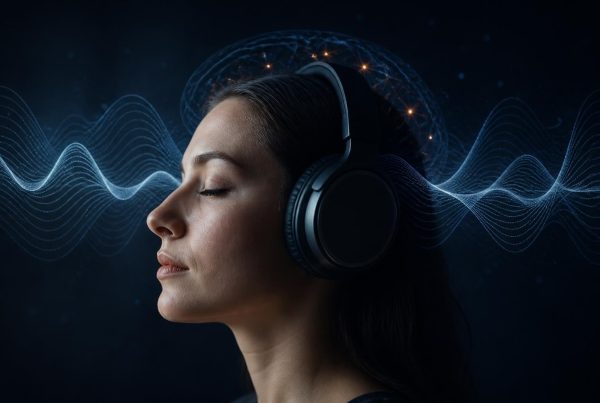
Recent scoping reviews have identified several key pathways through which sound modulates stress responses. Tempo influences heart rate variability and breathing patterns, while emotional tone activates limbic system responses associated with mood regulation. Specialized techniques like binaural beats may influence brainwave patterns, potentially shifting the brain from high-alert beta states to calmer alpha or theta frequencies.
The Neurological Response to Therapeutic Sound
When we encounter sound, our auditory cortex processes the information and rapidly communicates with multiple brain regions. The amygdala, our emotional processing center, evaluates whether sounds signal threat or safety. Calming sounds activate the parasympathetic nervous system, triggering the relaxation response that counteracts anxiety's physiological symptoms.
Key physiological changes during sound therapy include:
- Reduced cortisol levels and stress hormone production
- Lowered heart rate and blood pressure
- Decreased muscle tension
- Regulated breathing patterns
- Enhanced production of endorphins and serotonin
A comprehensive meta-analysis examining music therapy across over 3,000 participants demonstrated a medium effect size for reducing anxiety symptoms, particularly when combining receptive listening with active engagement. This evidence underscores that sound therapy for anxiety works through measurable biological pathways, not merely through placebo effects.
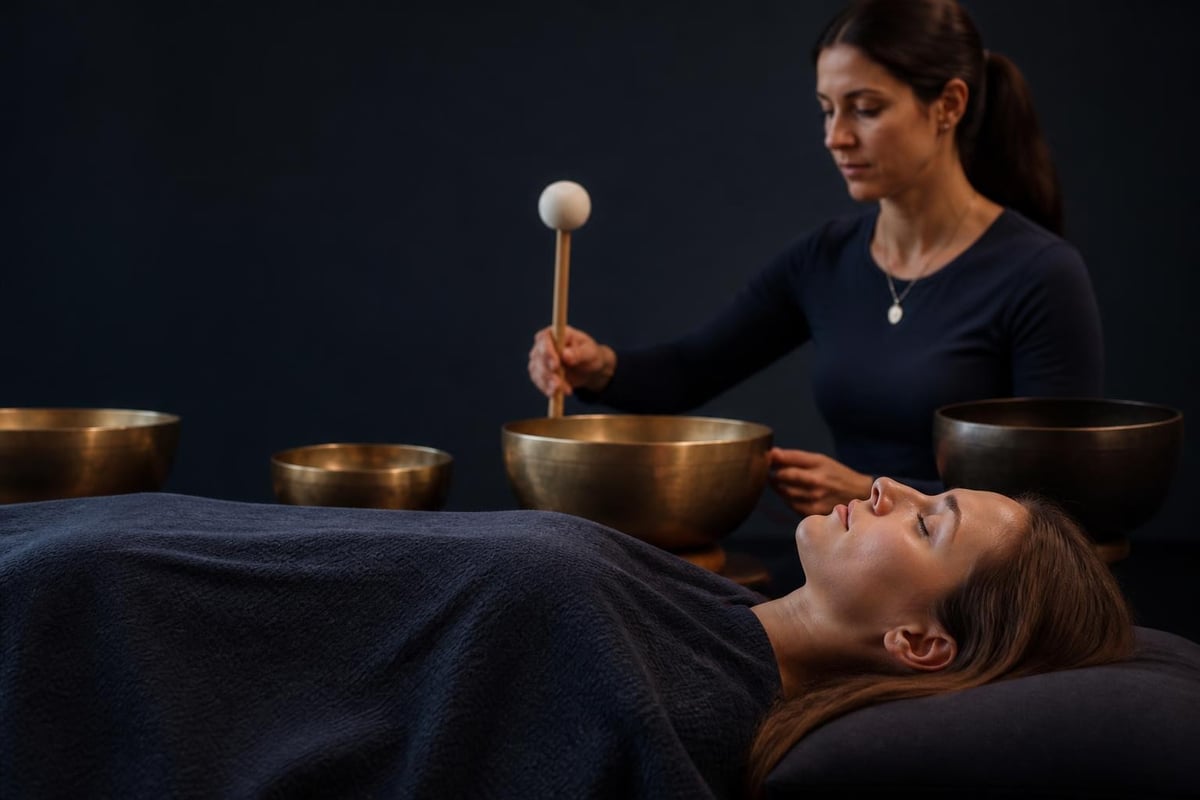
Types of Sound Therapy Techniques for Anxiety Management
Different sound-based interventions offer varied approaches to anxiety relief, each with distinct characteristics and applications.
Music-Based Interventions
Structured music therapy sessions involve either receptive listening or active participation through singing, playing instruments, or rhythmic movement. Research shows timing matters significantly. A randomized controlled trial with surgical patients found that music interventions delivered just before procedures significantly reduced preoperative anxiety, demonstrating that strategic application enhances effectiveness.
| Music Therapy Type | Method | Best For |
|---|---|---|
| Receptive | Guided listening to selected music | General anxiety, stress reduction |
| Active | Creating or performing music | Processing emotions, building coping skills |
| Combined | Both listening and participation | Comprehensive anxiety management |
Nature Soundscapes
Environmental sounds from natural settings-ocean waves, rainfall, forest ambiance-offer a distinct therapeutic quality. Meta-analysis comparing natural sounds to quiet environments revealed significant reductions in heart rate, blood pressure, and respiratory rate when participants were exposed to nature audio. These findings suggest that evolutionary familiarity with natural acoustic environments may create innate calming responses.
Binaural Beats and Frequency-Based Therapy
This technique presents slightly different frequencies to each ear, creating a perceived third tone that the brain processes. Proponents claim specific frequency ranges correspond to different mental states-delta for deep relaxation, theta for meditation, alpha for calm alertness, and beta for focused attention.
While research continues to evaluate efficacy, many practitioners incorporate binaural beats as part of broader sound therapy protocols rather than standalone treatments.
Practical Applications: Integrating Sound Therapy Into Daily Routines
Effectiveness depends not just on the type of sound used, but how systematically and intentionally you apply it. Sound therapy for anxiety works best when integrated into structured daily practices rather than used sporadically.
Morning Anxiety Management
Starting your day with intentional sound exposure sets a calmer baseline for stress reactivity throughout the day. A 10-15 minute morning session helps regulate cortisol levels during their natural peak.
Effective morning sound practices:
- Begin with grounding nature sounds to ease the transition from sleep
- Incorporate gentle rhythmic music to energize without overstimulation
- Pair sound listening with breathing exercises or light stretching
- Maintain consistency in timing to reinforce circadian rhythm regulation
Workplace Stress Reduction
Environmental noise and constant interruptions trigger sustained anxiety responses in work settings. Strategic use of sound can create acoustic buffers that protect concentration and reduce stress accumulation.
Rather than simply masking distracting sounds, effective workplace sound therapy combines carefully designed soundscapes with micro-habits that train attention. Freshhh.app addresses this by pairing acoustic research-backed soundscapes with practical techniques for building sustained focus and managing work-related anxiety.
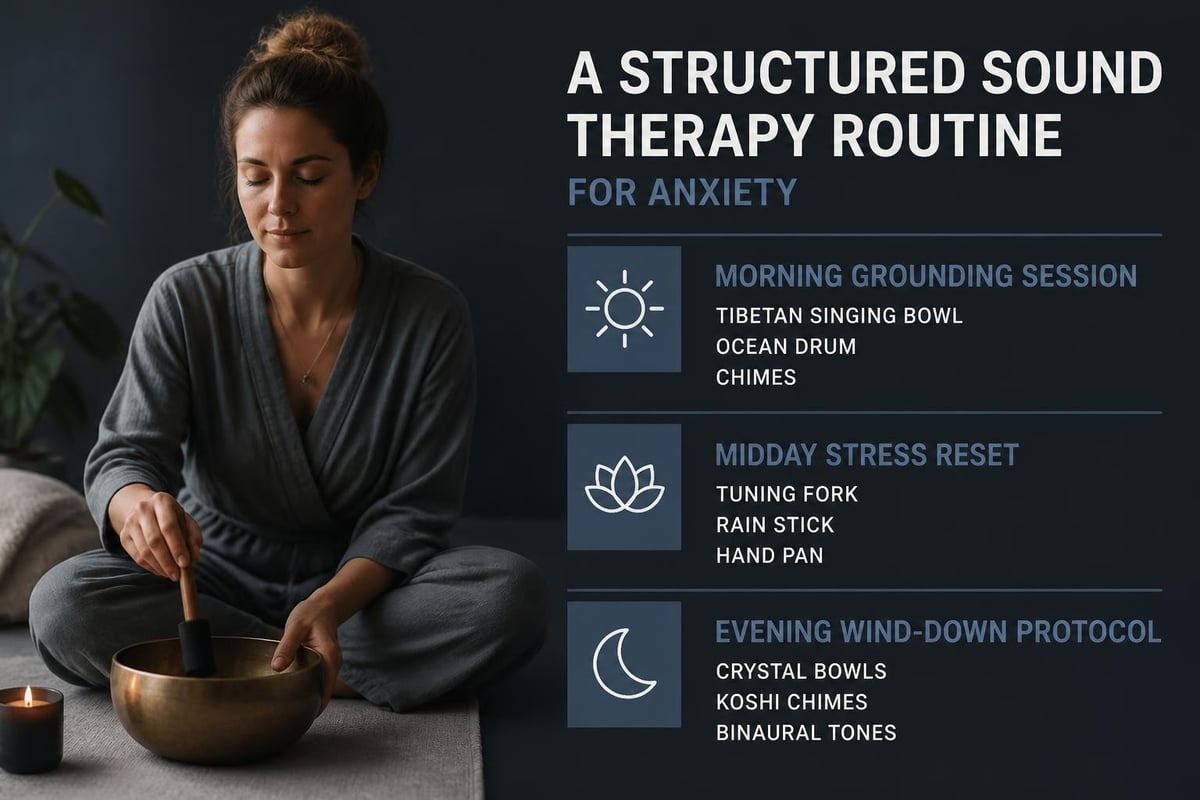
Pre-Sleep Wind-Down Protocols
Anxiety frequently intensifies at night when external distractions diminish and rumination increases. Establishing a consistent sound-based bedtime routine signals your nervous system that it's time to transition toward rest.
The ideal pre-sleep sound environment features gradually decreasing tempo, minimal melodic complexity, and frequencies that support parasympathetic activation. Consistency in routine timing proves as important as sound selection itself.
Evidence-Based Considerations: What Research Reveals
While enthusiasm for sound therapy continues growing, maintaining a balanced perspective on the evidence helps set realistic expectations and optimize outcomes.
Understanding Limitations and Variables
Not all sound interventions produce equivalent results. One randomized controlled trial testing a brief 5-minute music intervention in college students found no significant reduction in state anxiety, highlighting that duration, context, and individual differences all matter considerably.
Critical variables affecting outcomes include:
- Session duration and frequency
- Individual music preferences and past associations
- Severity and type of anxiety disorder
- Whether intervention is passive listening or active engagement
- Quality of audio delivery and environmental setting
Medical Context Applications
Sound therapy demonstrates particular promise in healthcare settings where acute anxiety is predictable and time-limited. Systematic reviews of music interventions during cardiac catheterization showed significant anxiety reduction, though physiological markers like heart rate showed mixed results, suggesting psychological and biological effects may operate through partially independent mechanisms.
This research indicates sound therapy for anxiety may work more reliably for subjective distress than for all physiological stress markers, an important distinction for understanding its role within comprehensive treatment approaches.
Safety Considerations and Complementary Approach
The National Center for Complementary and Integrative Health emphasizes that while sound-based approaches are generally safe, they should complement rather than replace evidence-based treatments for anxiety disorders.
When Sound Therapy Works Best
Sound therapy proves most effective when integrated into broader anxiety management strategies. It functions as a tool for nervous system regulation rather than a cure for underlying anxiety disorders.
| Clinical Context | Sound Therapy Role | Recommended Use |
|---|---|---|
| Mild to moderate anxiety | Primary complementary tool | Daily practice, stress prevention |
| Diagnosed anxiety disorders | Adjunct to professional treatment | Skill-building, symptom management |
| Acute stress situations | Immediate regulation technique | Targeted intervention during distress |
| General wellness | Preventive mental health practice | Regular routine for resilience |
Important Safety Notes
Sound therapy carries minimal risk for most individuals, but certain considerations apply. Extremely loud volumes can damage hearing. Some individuals with specific trauma histories may find certain sounds triggering rather than calming. People with severe anxiety disorders should work with qualified mental health professionals to ensure sound therapy integrates appropriately with other necessary treatments.
Building an Effective Personal Sound Therapy Practice
Success with sound therapy for anxiety requires more than occasional listening-it demands intentional practice development that accounts for your unique needs, preferences, and lifestyle constraints.
Assessment and Personalization
Begin by identifying your specific anxiety patterns. Does anxiety spike at particular times? Do certain situations trigger heightened stress responses? Understanding your anxiety profile helps you deploy sound interventions strategically rather than randomly.
Steps for developing your protocol:
- Track anxiety patterns for one week, noting intensity, timing, and triggers
- Experiment with different sound types (music, nature, tones) during various states
- Observe which sounds produce the most noticeable calming effects
- Establish specific times for practice to build consistent neural associations
- Adjust based on ongoing effectiveness and changing needs
Creating Supportive Environments
Environmental factors significantly influence sound therapy effectiveness. Background noise, poor audio quality, and interruptions all diminish outcomes. Invest in reasonable quality headphones or speakers. Designate specific spaces where you consistently practice to strengthen contextual conditioning.
Pairing Sound With Mind-Training Techniques
The most sophisticated approach to sound therapy for anxiety combines acoustic interventions with cognitive techniques that build lasting resilience. Rather than creating dependency on external sound sources, effective programs teach you to use sound as a training tool for developing better attention control and stress regulation.
This integrated approach recognizes that sustainable anxiety management requires developing internal capacities alongside external supports. Soundscapes become the environment within which you practice mental skills, rather than mere background audio you hope will passively reduce distress.
Advanced Techniques: Optimizing Your Sound Therapy Protocol
Once you've established basic practices, refinement based on emerging research and personal experience can enhance results substantially.
Temporal Structuring
Different sound characteristics suit different portions of anxiety management sessions. Beginning with grounding sounds, transitioning through more structured rhythmic patterns, and concluding with increasingly spacious soundscapes mirrors natural nervous system regulation patterns.
This progression supports the body's shift from sympathetic arousal through balanced states toward parasympathetic dominance, matching sound structure to physiological change patterns rather than imposing arbitrary audio selections.
Combining Modalities
Sound therapy demonstrates enhanced effectiveness when combined with complementary practices. Coordinating breathing exercises with rhythmic musical elements creates multi-sensory regulation. Pairing nature sounds with visualization amplifies relaxation responses through convergent sensory pathways.
Effective combination approaches:
- Breath-paced music: rhythm matches target breathing rate
- Movement with sound: gentle yoga or walking synchronized to tempo
- Mindfulness listening: focused attention on sound qualities and internal responses
- Progressive muscle relaxation with acoustic cues: sound signals tension release phases
Measuring Progress
Subjective improvement often occurs before you consciously recognize it. Maintaining simple records of baseline anxiety levels, sound therapy session duration, and post-session states helps identify patterns and optimize your approach over time.
Consider tracking sleep quality, concentration capacity, and general stress resilience as secondary markers that often improve alongside direct anxiety reduction. These broader benefits reflect sound therapy's capacity to enhance overall nervous system regulation rather than merely suppressing symptoms.
Moving Forward With Sound Therapy for Anxiety
The expanding evidence base for sound therapy reflects growing recognition that addressing anxiety requires diverse, accessible tools that people can integrate into everyday life. While sound therapy alone may not resolve severe anxiety disorders, it offers a valuable component within comprehensive approaches to mental well-being.
Effectiveness depends on thoughtful application guided by research principles, personalized to individual needs, and practiced with consistency. The goal is not passive consumption of pleasant sounds but active development of nervous system regulation capacity using sound as a training environment.
As research continues clarifying mechanisms and optimal protocols, the field moves toward more sophisticated applications that combine acoustic science with psychological techniques for building lasting resilience.
Sound therapy for anxiety represents a bridge between ancient wisdom and modern neuroscience, offering practical tools for managing one of our era's most common mental health challenges. Success requires consistent practice, evidence-informed techniques, and integration with broader wellness strategies. Freshhh.app takes this approach further by combining scientifically-designed soundscapes with practical micro-habits and research-based techniques that train your mind for deeper focus and lasting calm. Start building your personalized sound therapy practice today and experience how intentional acoustic environments paired with mental skills training can transform your relationship with stress and anxiety.