Managing stress in 2026 requires more than willpower or occasional relaxation. Modern life demands practical tools that address the root causes of anxiety and tension while fitting seamlessly into busy schedules. A well-designed stress app combines evidence-based techniques, personalized guidance, and accessibility to help users develop sustainable mental health practices. Whether you're navigating workplace pressure, personal challenges, or simply seeking better focus, understanding what makes an effective stress management tool can transform your approach to wellness.
The Science Behind Effective Stress Management Technology
Mental health technology has evolved significantly over the past decade. Early applications focused primarily on passive content delivery, offering meditation tracks or breathing exercises without deeper engagement. Today's most effective platforms integrate behavioral science, acoustic research, and personalized learning to create lasting change.
Research demonstrates that mobile interventions can significantly reduce perceived stress when designed with evidence-based principles. A comprehensive review of stress management apps found that applications incorporating cognitive behavioral techniques, mindfulness practices, and habit formation showed measurable improvements in user outcomes. The key distinction lies not in simply providing content but in helping users build sustainable mental fitness through structured guidance.
Sound therapy represents a particularly promising avenue for stress reduction. Acoustic environments designed with specific frequencies, rhythms, and spatial characteristics can influence cognitive states and emotional regulation. When developed in collaboration with researchers who understand psychoacoustics, soundscapes become more than background noise. They serve as active tools for managing attention, reducing cortisol levels, and promoting mental clarity.
What Distinguishes a High-Quality Stress App
Not all digital wellness tools deliver equal results. The systematic assessment of stress management applications reveals significant variation in quality, transparency, and evidence-based content across platforms. Understanding these distinctions helps users make informed choices about which tools merit their time and attention.
Key characteristics of effective stress management technology include:
- Evidence-based methodologies grounded in peer-reviewed research
- Progressive skill-building rather than one-time solutions
- Personalization capabilities that adapt to individual needs and preferences
- Transparent design principles explaining why specific techniques work
- Measurable outcomes tracking progress beyond subjective feeling
- Privacy protections ensuring user data security and confidentiality
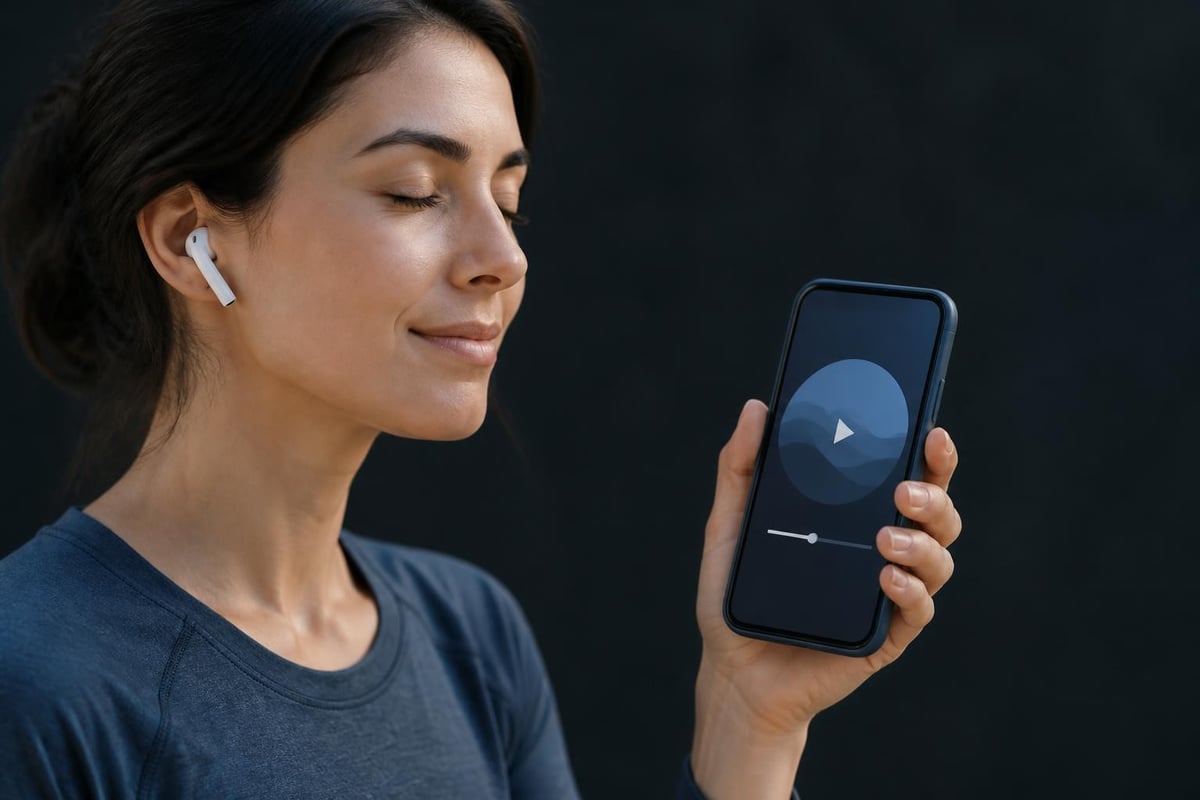
A stress app should function as a comprehensive companion rather than a simple content library. This means integrating educational resources that explain the neuroscience of stress, practical exercises that address specific challenges, and tracking mechanisms that reveal patterns in your mental state over time.
Building Mental Fitness Through Micro-Habits
The most sustainable approach to stress management involves developing consistent practices rather than seeking quick fixes. Micro-habits, small behavioral changes requiring minimal willpower, create compound effects over weeks and months. A stress app designed around this principle helps users establish routines that become automatic rather than requiring constant motivation.
Consider the difference between attempting a 30-minute meditation session daily versus practicing focused breathing for two minutes when transitioning between tasks. The latter requires less time, integrates naturally into existing workflows, and builds consistency through achievable goals. Over time, these brief interventions create neural pathways that support better stress regulation even without active app usage.
| Micro-Habit Type | Time Investment | Primary Benefit | Best Used When |
|---|---|---|---|
| Focused breathing | 2-3 minutes | Immediate calm | Transitioning tasks |
| Body scan check-in | 1-2 minutes | Tension awareness | Mid-work breaks |
| Gratitude noting | 3-5 minutes | Perspective shift | Morning or evening |
| Sound environment setting | 10-30 minutes | Sustained focus | Deep work sessions |
| Stress pattern review | 5-7 minutes | Self-awareness | Weekly reflection |
The relationship between app usage patterns and perceived stress shows that consistent, brief engagements produce better outcomes than sporadic intensive sessions. This research supports the micro-habit approach, suggesting that daily touchpoints with a stress app create more significant behavioral change than occasional marathon sessions.
Training Your Mind, Not Just Consuming Content
Passive consumption of relaxation content provides temporary relief but rarely creates lasting change. The distinction between listening to calming sounds and actively training stress resilience determines long-term outcomes. Effective platforms guide users through progressive skill development, teaching them to recognize stress triggers, interrupt negative patterns, and cultivate mental clarity independently.
This training approach incorporates several dimensions:
- Recognition skills for identifying early stress signals in body and mind
- Intervention techniques appropriate for different stress types and intensities
- Environmental optimization including acoustic design and workspace considerations
- Cognitive reframing to shift perspective on challenging situations
- Recovery practices that restore mental resources after demanding periods
By focusing on skill acquisition, a stress app becomes increasingly valuable over time rather than requiring perpetual engagement. Users develop internal capabilities that complement the external support provided by technology.
Sound Therapy as a Cornerstone of Stress Reduction
Acoustic environments profoundly influence mental states, yet most people give little conscious thought to their sound landscape. Research-backed sound therapy goes beyond pleasant background music, utilizing specific frequencies, rhythms, and spatial characteristics that promote desired cognitive states. When integrated into a comprehensive stress app, these carefully designed soundscapes support focus, relaxation, and emotional regulation.
The science of psychoacoustics reveals how different sound characteristics affect brain activity. Lower frequencies (around 40-60 Hz) can promote relaxation and reduce anxiety, while specific rhythmic patterns help synchronize neural oscillations associated with focused attention. Binaural beats, spatial audio techniques, and natural soundscapes each offer unique benefits when properly implemented.
Collaboration between technology developers and acoustic researchers ensures soundscapes serve therapeutic purposes rather than merely aesthetic ones. This partnership produces audio environments optimized for specific outcomes like deep concentration, creative thinking, or restorative rest. Users benefit from sound therapy grounded in evidence rather than intuition alone.

Practical Applications of Therapeutic Sound
Different mental states require different acoustic support. A well-designed stress app provides sound environments tailored to specific needs:
For focused work sessions, soundscapes with consistent mid-range frequencies and minimal melodic variation help sustain attention without becoming distracting. These environments mask disruptive environmental noise while avoiding the cognitive load created by complex musical arrangements.
During stress recovery, nature-based sounds incorporating water, wind, or forest environments activate parasympathetic nervous system responses. The irregular yet organic patterns found in natural soundscapes prevent habituation while promoting relaxation through their inherent unpredictability within safe parameters.
For creative exploration, more dynamic acoustic environments with evolving textures and harmonic complexity can stimulate divergent thinking. These soundscapes balance structure and variation to maintain engagement without overwhelming cognitive resources.
The multi-domain assessment of stress management tools emphasizes the importance of evidence-based content and transparency. Users should understand why specific sounds support particular mental states, transforming passive listening into informed practice.
Measuring Progress and Adapting to Individual Needs
Effective stress management requires understanding your unique patterns, triggers, and responses. A sophisticated stress app incorporates tracking mechanisms that reveal insights about your mental health journey without creating additional burden through excessive data entry. The goal is awareness without obsession, measurement without anxiety.
Modern approaches to stress monitoring on mobile devices enable real-time assessment of physiological indicators like heart rate variability alongside self-reported emotional states. This combination provides comprehensive understanding of how different activities, environments, and practices influence your stress levels.
Progressive platforms use this data to adapt recommendations over time. If morning sessions consistently prove more beneficial than evening ones, the system adjusts suggested practice times. When certain soundscapes correlate with improved focus metrics, they receive greater prominence in personalized playlists. This adaptive approach, informed by context-aware reinforcement learning, ensures the stress app becomes more valuable as it learns your preferences and responses.
| Tracking Dimension | What It Reveals | How It Helps |
|---|---|---|
| Practice consistency | Habit formation progress | Identifies barriers to routine building |
| Physiological markers | Stress response patterns | Validates which techniques work best |
| Contextual factors | Environmental triggers | Informs preventive strategies |
| Subjective ratings | Perceived effectiveness | Guides personalization refinement |
| Usage patterns | Engagement sustainability | Optimizes difficulty and time requirements |
Integrating Stress Management into Daily Life
Technology serves its highest purpose when it enhances rather than complicates life. A stress app should integrate seamlessly into existing routines, providing support precisely when needed without demanding constant attention. This integration requires thoughtful design that respects user time and cognitive resources.
Successful implementation involves identifying specific moments when stress management tools provide maximum value. Morning transitions from sleep to work benefit from grounding practices that set intentions for the day. Mid-afternoon energy slumps respond well to brief reorienting exercises paired with supportive sound environments. Evening wind-down periods offer opportunities for reflection and recovery before sleep.
The platform becomes part of your environmental infrastructure rather than another task demanding completion. This shift in relationship transforms stress management from an obligation into a resource you access naturally, similar to adjusting lighting or temperature for comfort.
Creating Sustainable Practice Patterns
Long-term success depends on establishing practices that feel sustainable rather than heroic. A stress app supports this by offering flexible entry points for different energy levels and time availability. When you have fifteen minutes, structured guidance leads you through comprehensive practices. When you have two minutes, targeted micro-interventions provide meaningful benefit without guilt about incomplete sessions.
This flexibility prevents the all-or-nothing thinking that derails many wellness initiatives. Missing a session doesn't mean failure; it simply means returning to practice when circumstances allow. The technology supports this resilience by tracking overall patterns rather than judging individual instances, helping you see progress across weeks and months despite inevitable interruptions.
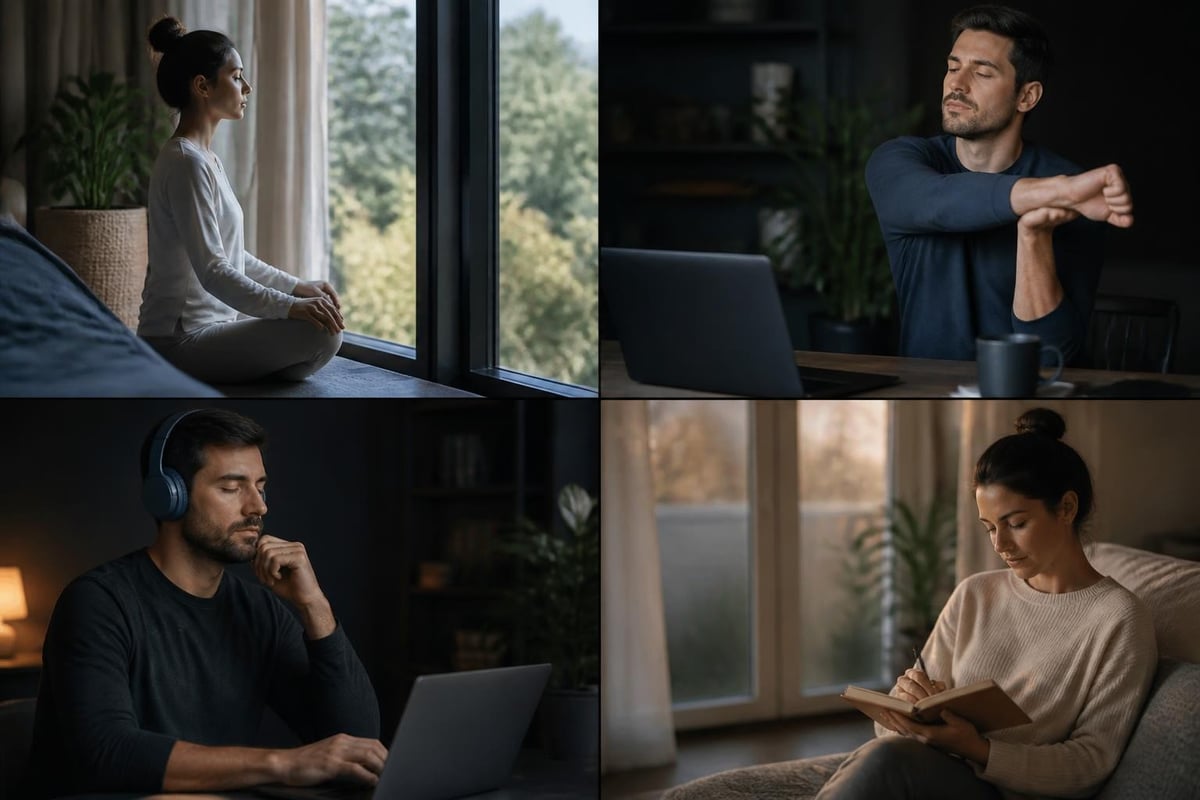
Research exploring virtual reality-based attention training for stress management suggests that immersive technologies may enhance traditional approaches. While not all users require VR-level immersion, the principle of creating engaging, focused experiences applies across platforms. A well-designed stress app captures attention sufficiently to interrupt stress spirals while remaining accessible enough for regular use.
Choosing the Right Stress Management Platform
The expanding market for mental health technology creates both opportunity and confusion. Selecting an appropriate stress app requires evaluating how well specific features align with your needs, preferences, and goals. Rather than seeking the "best" universal option, identify which platform best serves your particular situation.
Consider these evaluation criteria when assessing options:
- Foundation in research versus purely commercial development
- Active skill-building versus passive content consumption
- Personalization depth and adaptation to individual patterns
- Privacy practices and data handling transparency
- Integration capabilities with other wellness tools and practices
- Sustainable pricing models that support ongoing development
Platforms emphasizing comprehensive mental fitness rather than quick stress relief typically produce better long-term outcomes. Look for applications that explain their methodological foundations, provide educational resources about stress physiology and psychology, and frame usage as skill development rather than dependency creation.
The most effective stress app serves as a training partner that helps you develop internal capacities while providing external support when needed. This balanced approach prevents over-reliance on technology while maximizing its benefits during the capability-building process.
Advanced Features That Enhance Effectiveness
Beyond core stress management functions, certain advanced capabilities significantly enhance platform value. Community features allowing users to share experiences and strategies create social support without requiring in-person interaction. Progress visualization tools transform abstract improvements into concrete evidence of change. Integration with calendar systems enables proactive scheduling of recovery practices during predictably demanding periods.
Intelligent notifications represent another valuable enhancement when implemented thoughtfully. Rather than generic reminders to "practice mindfulness," sophisticated systems recognize patterns suggesting elevated stress and offer timely, context-appropriate suggestions. These might include brief breathing exercises during back-to-back meetings or sound environment adjustments when sustained focus becomes necessary.
Educational content that evolves with user progress ensures ongoing learning without overwhelming beginners. Initial stages focus on fundamental concepts like stress physiology and basic regulation techniques. As users develop proficiency, more nuanced topics like emotional granularity, cognitive reframing, and advanced sound therapy applications become accessible.
The Role of Professional Integration
While a stress app provides valuable self-directed support, it complements rather than replaces professional mental health care for those requiring clinical intervention. The most responsible platforms acknowledge their limitations, providing resources for identifying when professional help becomes necessary and offering pathways to appropriate care.
Some advanced applications facilitate communication with therapists or coaches, allowing professionals to monitor client progress between sessions and adjust recommendations accordingly. This integration creates continuity of care across self-directed and professionally guided interventions, maximizing overall effectiveness.
For workplace wellness programs, stress apps with administrative dashboards enable organizations to support employee mental health while respecting individual privacy. Aggregated, anonymized data reveals organizational stress patterns without exposing individual struggles, informing systemic improvements alongside personal interventions.
Emerging Trends in Stress Management Technology
The landscape of digital mental health continues evolving rapidly. Artificial intelligence enables increasingly sophisticated personalization, predicting individual needs based on patterns invisible to conscious awareness. Wearable integration provides continuous physiological monitoring without requiring active engagement, expanding the data available for adaptive recommendations.
Voice-controlled interfaces make stress management tools accessible during moments when screen interaction proves difficult, such as while driving or caring for children. Ambient computing approaches embed stress reduction support into environments themselves, automatically adjusting lighting, sound, and other factors based on detected stress levels.
These technological advances amplify effectiveness when grounded in solid understanding of stress physiology and behavior change principles. The most promising developments combine cutting-edge capability with evidence-based methodologies, ensuring innovation serves genuine therapeutic purposes rather than merely demonstrating technical prowess.
The future of stress management technology lies in systems that understand context deeply enough to provide precisely appropriate support at optimal moments. This requires sophisticated sensing, intelligent interpretation, and respectful interaction design that empowers rather than intrudes. Platforms achieving this balance will transform how millions of people manage stress in increasingly demanding environments.
Effective stress management in 2026 requires more than good intentions or occasional relaxation. It demands evidence-based tools that build sustainable mental fitness through progressive skill development and personalized support. Whether you're addressing workplace pressure, personal challenges, or seeking enhanced focus, the right approach combines therapeutic techniques with practical implementation strategies. Freshhh.app offers a science-backed companion for managing stress and improving mental clarity through research-based micro-habits and soundscapes developed with acoustic experts. Start training your mind with tools designed to create lasting change beyond temporary relief.