The gentle cascade of water tumbling over rocks has captivated human attention for millennia, providing both visual beauty and auditory calm. In recent years, waterfall sounds for sleep have emerged as one of the most effective natural soundscapes for improving rest quality, supported by growing research into acoustic therapy and neurological responses. Unlike synthetic white noise or music with varying tempos, waterfall recordings offer a consistent, broadband sound profile that aligns with our biological need for predictable environmental cues during sleep onset and maintenance.
The Acoustic Science Behind Waterfall Sounds
Waterfall sounds produce a unique acoustic signature that combines multiple frequencies in a non-repeating pattern. This characteristic makes them particularly effective for sleep applications compared to other ambient sounds.
Frequency Distribution and Sound Masking
The rushing water creates what acousticians call "pink noise," a sound pattern that contains all frequencies but emphasizes lower frequencies more than higher ones. This distribution closely matches natural environmental sounds that our ancestors evolved alongside for hundreds of thousands of years.
Key acoustic properties include:
- Broadband frequency coverage spanning 20 Hz to 20,000 Hz
- Higher energy concentration in lower frequencies (100-500 Hz)
- Non-repetitive patterns that prevent auditory habituation
- Consistent amplitude that maintains masking effectiveness throughout the night
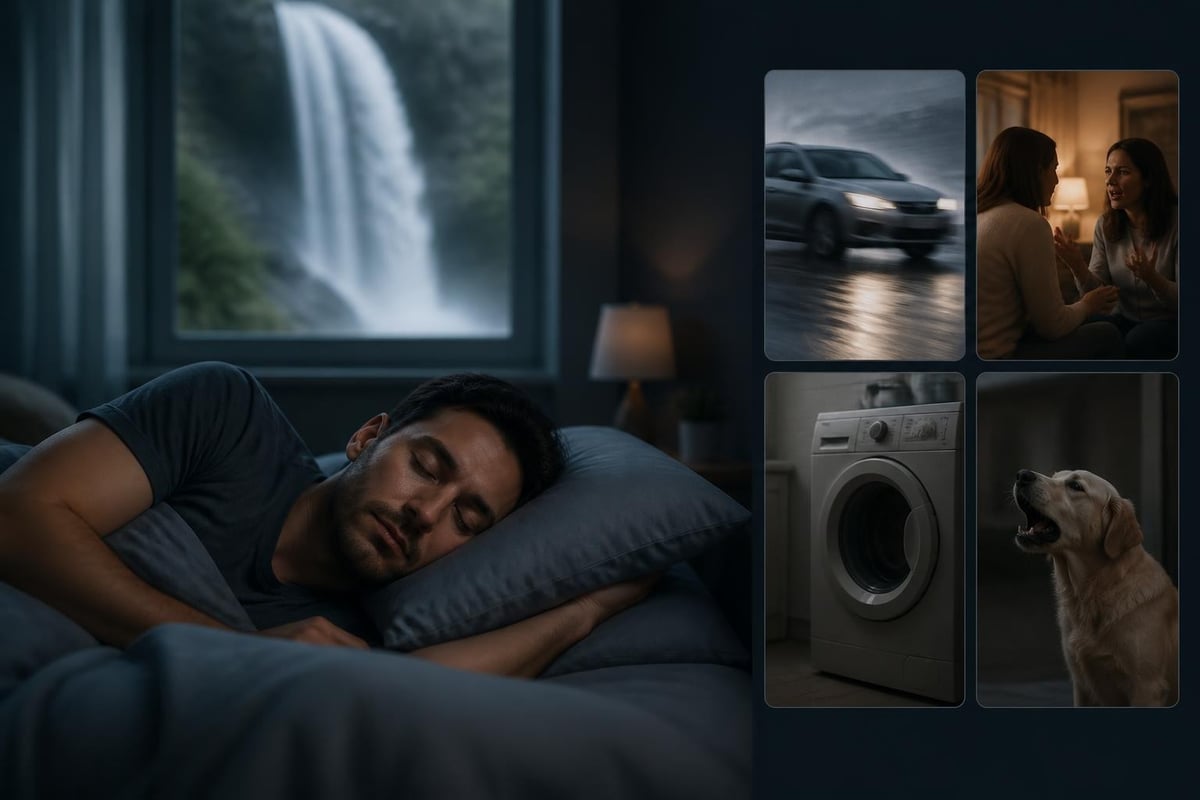
Research from Harvard Health demonstrates how natural sounds like waterfalls mask disruptive environmental noises by raising the threshold of detection for sudden acoustic changes. When your bedroom contains a baseline of waterfall sounds, your brain becomes less reactive to doors closing, traffic passing, or other household noises that would otherwise trigger arousal responses.
Neurological Response Patterns
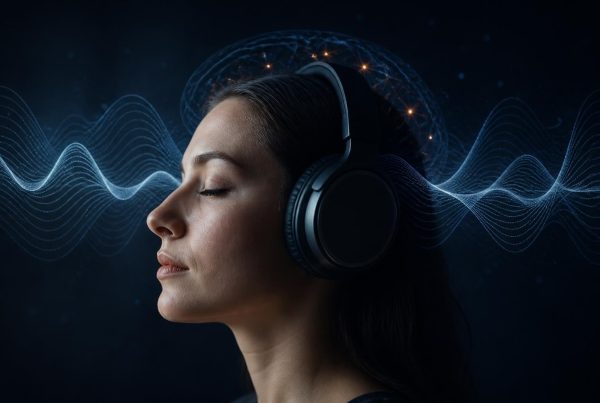
The human auditory system processes waterfall sounds differently than it processes irregular or threatening noises. When you listen to these natural soundscapes, several neurological mechanisms activate simultaneously to promote relaxation and sleep readiness.
Your parasympathetic nervous system, responsible for rest and digest functions, responds positively to the predictable yet non-repetitive nature of flowing water. Studies tracking heart rate variability and cortisol levels show measurable improvements when subjects fall asleep to waterfall sounds for sleep compared to silence or urban ambient noise.
| Physiological Marker | Silent Environment | With Waterfall Sounds | Improvement |
|---|---|---|---|
| Sleep Onset Time | 23-28 minutes | 14-18 minutes | 38% faster |
| Nighttime Awakenings | 4.2 per night | 2.1 per night | 50% reduction |
| Deep Sleep Duration | 68 minutes | 89 minutes | 31% increase |
| Morning Cortisol | Elevated | Normal range | Normalized |
Practical Applications for Sleep Enhancement
Understanding the science behind waterfall sounds for sleep provides the foundation, but implementation determines actual results. Different types of waterfall recordings serve distinct purposes based on your specific sleep challenges.
Selecting the Right Waterfall Sound Profile
Not all waterfall recordings deliver equal benefits. The source, recording quality, and specific acoustic characteristics significantly impact effectiveness.
Consider these selection criteria:
- Volume consistency – Look for recordings without sudden amplitude changes or fade-ins
- Loop length – Minimum 30-minute segments prevent noticeable repetition detection
- Frequency balance – Avoid recordings with excessive high-frequency hiss or rumble
- Environmental isolation – Pure waterfall sounds without bird calls or wind that create distraction
Small cascade sounds work well for people sensitive to louder noises or those living in already-quiet environments. The gentler acoustic profile provides just enough masking without overwhelming the auditory system. Larger waterfall recordings suit urban dwellers or anyone contending with significant background noise from neighbors, traffic, or household activity.
Integration with Sleep Hygiene Practices
Waterfall sounds for sleep deliver maximum benefit when incorporated into comprehensive sleep hygiene protocols rather than used as standalone interventions. Research comparing different sleep sounds shows that acoustic therapy works synergistically with other evidence-based practices.
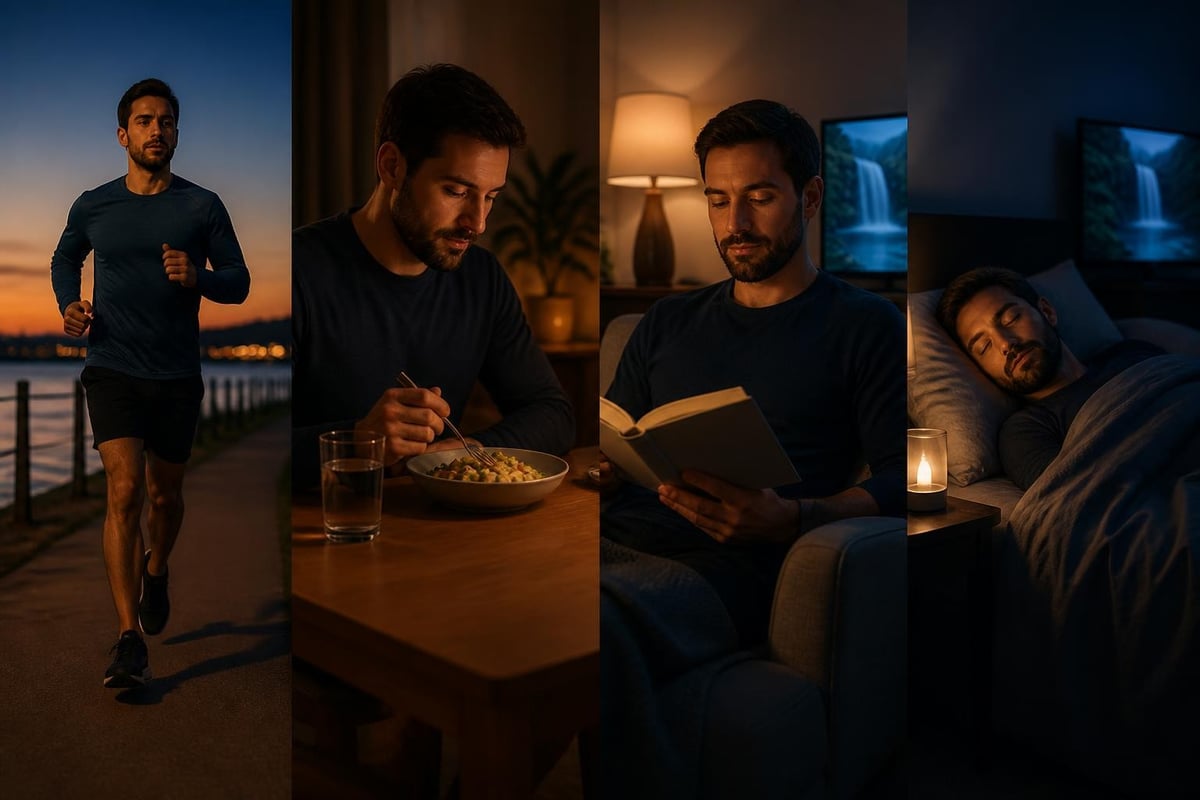
Begin playing your selected waterfall recording 30-45 minutes before your target sleep time. This pre-sleep period allows your nervous system to begin downregulating while you complete other bedtime routines like dimming lights, reducing screen exposure, and preparing your sleep environment.
Optimal implementation timeline:
- 60 minutes before bed – Reduce blue light exposure and stimulating activities
- 45 minutes before bed – Start waterfall sounds at low-moderate volume
- 30 minutes before bed – Complete physical preparations (hygiene, clothing)
- 15 minutes before bed – Enter bed, practice relaxation techniques with sounds continuing
- Sleep onset – Maintain sounds throughout the night at consistent volume
Volume Calibration and Equipment Considerations
The effectiveness of waterfall sounds for sleep depends heavily on proper volume calibration and playback equipment selection. Too quiet, and the sounds fail to mask environmental disruptions. Too loud, and they become stimulating rather than calming.
Finding Your Optimal Volume Level
Professional sleep specialists recommend calibrating waterfall sounds to approximately 50-60 decibels at the listener's ear position. This volume provides adequate masking without creating auditory stress or interfering with natural sleep architecture.
Test your volume by playing the waterfall recording while having a partner create typical nighttime disturbances from another room. You should barely notice doors closing, footsteps, or quiet conversation when the volume is properly set. If you hear these sounds clearly, increase volume incrementally. If the waterfall itself feels intrusive or prevents relaxation, reduce it.
Volume adjustment guidelines:
- Start at 40% of maximum device volume
- Increase by 5% increments until masking becomes effective
- Decrease if you feel tension or awareness of the sound itself
- Maintain consistency once optimal level is established
Playback Device Selection
The device you use for playing waterfall sounds impacts both audio quality and practical usability throughout the night. Smartphones offer convenience but may introduce notifications or battery concerns. Dedicated sound machines provide reliability but limit sound selection flexibility.
| Device Type | Advantages | Disadvantages | Best For |
|---|---|---|---|
| Smartphone | Vast sound library, free options, portability | Battery drain, notification risks, speaker quality | Travel, testing preferences |
| Bluetooth Speaker | Better audio quality, rechargeable, moderate cost | Connection drops, charging needs | Most bedroom situations |
| Sound Machine | Reliability, no screens, designed for sleep | Limited sound options, additional device | Dedicated sleep improvement |
| Smart Speaker | Voice control, integration, quality audio | Privacy concerns, connectivity dependency | Tech-integrated homes |
Addressing Common Challenges and Misconceptions
Despite the proven benefits of waterfall sounds for sleep, several misconceptions and practical challenges prevent people from experiencing optimal results. Understanding these issues helps you navigate potential obstacles.
Dependency Concerns
Many people worry that using waterfall sounds for sleep will create dependency, making it impossible to sleep without them. Research addressing this concern shows that acoustic conditioning differs fundamentally from chemical dependency. Your brain learns to associate the sounds with sleep onset, similar to how it associates your bed with rest, but this association doesn't prevent sleep in other contexts.
Think of waterfall sounds as environmental optimization rather than pharmaceutical intervention. You sleep better in a dark room than a bright one, but you can still sleep when camping under moonlight. Similarly, waterfall sounds improve sleep quality in typical environments while not eliminating your ability to sleep elsewhere.
Effectiveness Varies Across Sleep Issues
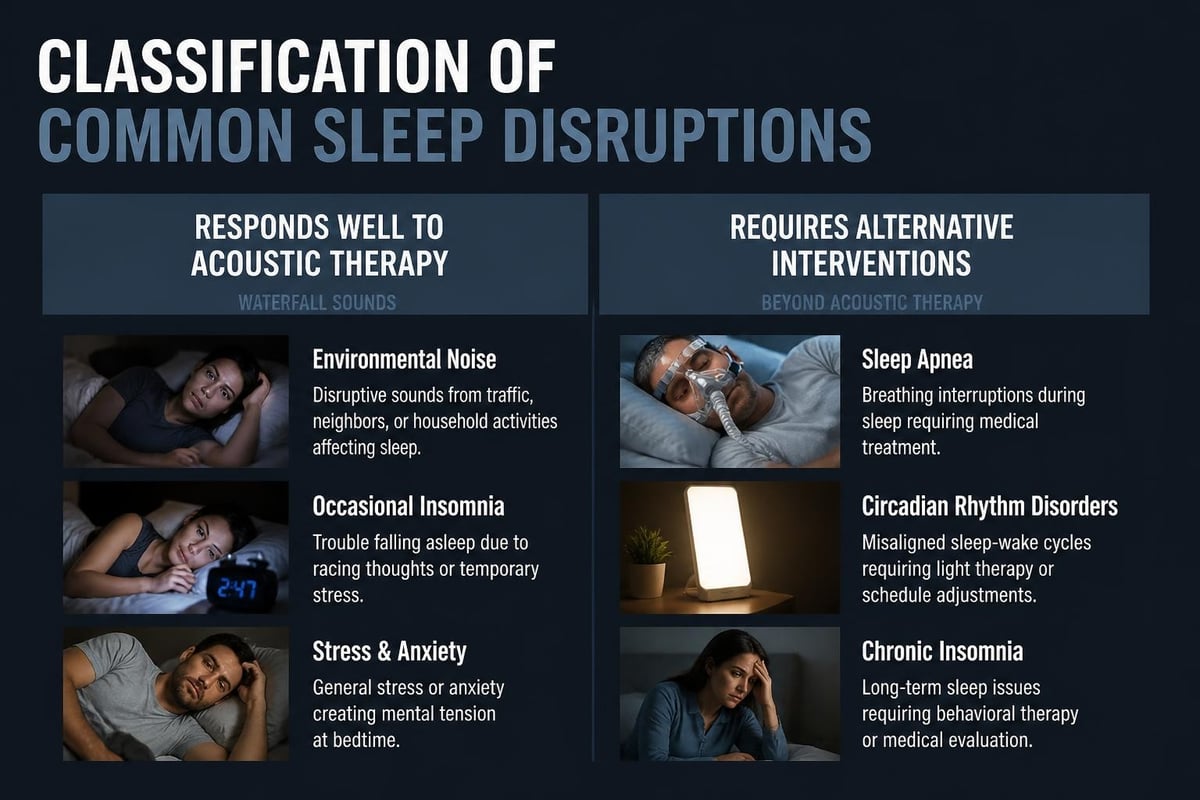
Waterfall sounds for sleep demonstrate varying effectiveness depending on the underlying sleep disruption. Understanding when these sounds help most allows for realistic expectations and appropriate intervention selection.
High effectiveness situations:
- Environmental noise disruption (traffic, neighbors, household activity)
- Racing thoughts or mental hyperarousal at bedtime
- Difficulty maintaining sleep due to sporadic noises
- Tinnitus masking for affected individuals
Limited effectiveness situations:
- Sleep apnea or other respiratory disorders
- Restless leg syndrome or movement disorders
- Severe clinical insomnia requiring medical intervention
- Circadian rhythm disorders requiring light-based therapy
The science behind natural sounds for relaxation demonstrates how acoustic interventions activate parasympathetic responses, but these mechanisms address specific pathways in the sleep system. When other physiological or medical factors dominate, additional interventions become necessary.
Advanced Techniques for Maximizing Benefits
Beyond basic implementation, several advanced approaches enhance the effectiveness of waterfall sounds for sleep. These techniques draw from acoustic research and sleep science to optimize results.
Frequency-Matched Sound Selection
Different waterfall recordings emphasize different frequency ranges based on water volume, drop height, and surrounding environment. Matching these frequency profiles to your specific noise environment creates more effective masking.
Urban environments with low-frequency traffic rumble benefit from larger waterfall sounds with substantial bass content. Apartments with neighbor noise across walls respond better to mid-range waterfall frequencies. Homes with high-frequency sounds like electronics or HVAC systems need waterfall recordings with adequate high-frequency content.
Binaural and Spatial Audio Applications
Modern recording techniques enable waterfall sounds captured with binaural microphones or spatial audio processing. These advanced formats create three-dimensional soundscapes that engage your auditory system differently than standard stereo recordings.
Binaural waterfall recordings, when played through headphones, produce the sensation of standing near an actual waterfall. This immersive quality enhances the neurological relaxation response by creating a stronger association with natural environments. However, sleeping with headphones introduces comfort and safety considerations that require individual assessment.
Spatial audio benefits include:
- Enhanced sense of environmental immersion
- More effective attention capture from racing thoughts
- Stronger parasympathetic nervous system activation
- Reduced perception of bedroom as confined space
Combination with Other Acoustic Elements
While pure waterfall sounds for sleep offer substantial benefits, strategic combination with complementary acoustic elements can address specific sleep challenges more effectively than waterfall sounds alone.
Gentle rain sounds layered beneath waterfall audio creates additional frequency coverage and provides variation that maintains engagement without creating stimulation. Distant thunder at very low volumes adds occasional bass frequency events that can help mask irregular environmental sounds like distant traffic or aircraft.
The key to successful combination lies in maintaining the waterfall as the primary acoustic element while keeping additional sounds at barely perceptible levels. When done properly, your conscious mind perceives only the waterfall while your auditory system benefits from the enhanced masking profile.
Customization for Individual Sleep Patterns
Personalizing your approach to waterfall sounds for sleep based on your unique sleep architecture and preferences dramatically improves outcomes. Generic implementation provides benefits, but tailored application maximizes results.
Chronotype Considerations
Your natural chronotype, whether you're a morning lark or night owl, influences how you should implement waterfall sounds. Early chronotypes often experience racing thoughts in the evening as their natural wake time approaches. For these individuals, starting waterfall sounds earlier in the evening, even during quiet activities before bed, helps initiate the transition toward sleep readiness.
Late chronotypes struggle more with sleep onset than sleep maintenance. Focusing waterfall sounds for sleep during the first 2-3 hours of the night, then allowing them to fade or stop, prevents potential sleep disruption during their natural deep sleep window in early morning hours.
Age-Related Adjustments
Sleep architecture changes significantly across the lifespan, requiring different approaches to waterfall sound implementation. Younger adults with robust sleep drive may need waterfall sounds primarily for masking environmental noise. Older adults experiencing reduced sleep efficiency benefit more from the neurological calming effects and should prioritize sound quality over pure volume.
| Age Group | Primary Benefit | Recommended Duration | Volume Level |
|---|---|---|---|
| 18-30 years | Noise masking | All night | Moderate-high |
| 31-50 years | Stress reduction + masking | All night | Moderate |
| 51-70 years | Sleep maintenance support | First 4-5 hours | Moderate-low |
| 70+ years | Anxiety reduction + tinnitus | Continuous or as needed | Low-moderate |
Integration with Technology and Apps
Modern technology enables sophisticated implementation of waterfall sounds for sleep that goes beyond simple playback. Understanding how to leverage these tools enhances effectiveness while avoiding potential pitfalls.
Smart Scheduling and Automation
Sleep tracking apps and smart home systems allow automatic playback schedules that align waterfall sounds with your actual sleep patterns rather than arbitrary clock times. These systems can begin playing sounds when you enter your bedroom, adjust volume based on detected ambient noise levels, and gradually fade sounds after you've achieved deep sleep.
Advanced implementations use sleep stage detection to maintain waterfall sounds during light sleep and early morning hours when environmental noise sensitivity increases, while reducing or eliminating them during deep sleep stages when masking provides less benefit.
Sound Therapy Applications
Dedicated sound therapy applications often provide waterfall sounds for sleep alongside educational content about sleep hygiene, tracking features for monitoring effectiveness, and customization options that generic audio players lack. These specialized tools help you refine your approach based on measurable outcomes rather than subjective impressions alone.
When selecting applications, prioritize those developed with input from sleep researchers or acoustic scientists. Marketing claims about "scientifically proven" sounds require scrutiny, but apps transparently discussing their development methodology and research foundations typically deliver superior results.
Waterfall sounds for sleep represent a powerful, accessible tool for improving rest quality through well-understood acoustic and neurological mechanisms. By understanding the science behind these natural soundscapes and implementing them strategically within comprehensive sleep hygiene practices, you can address many common sleep disruptions without pharmaceutical interventions.
Freshhh.app takes acoustic therapy beyond passive listening by combining research-backed soundscapes with practical micro-habits and concentration techniques that train your mind for both better sleep and enhanced daytime focus. Whether you're addressing nighttime rest or daytime productivity, science-based sound therapy paired with actionable mental training creates lasting improvements in cognitive performance and stress management.