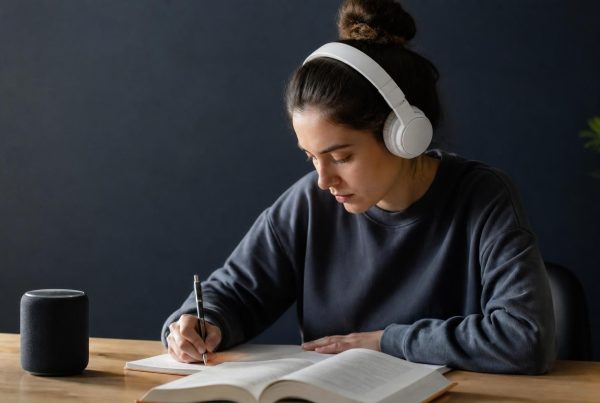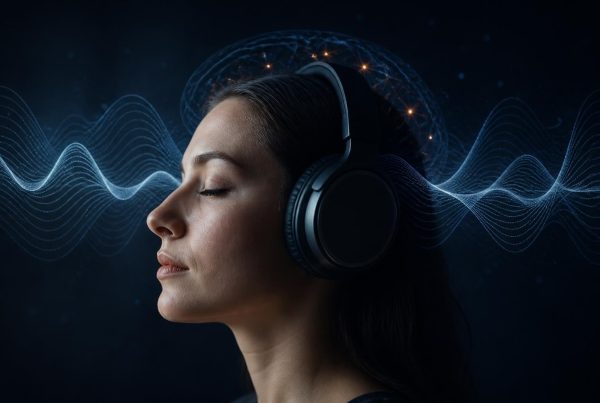
Students and professionals searching for effective focus tools often discover white noise for studying as a surprisingly powerful solution. This acoustic phenomenon has gained recognition in recent years as research continues to validate what many learners have experienced firsthand: consistent background sound can dramatically improve concentration, reduce distractions, and enhance information retention. Understanding how white noise works and how to apply it strategically can transform your study sessions from frustrating battles against distraction into productive periods of deep learning.
The Science Behind White Noise and Cognitive Performance
White noise creates a consistent auditory environment by combining all audible frequencies at equal intensity. This uniform sound acts as an acoustic blanket that masks sudden environmental changes like doors closing, conversations, or traffic noise. When your brain processes this steady input, it becomes less reactive to unpredictable sounds that typically interrupt concentration.
Research has demonstrated measurable cognitive benefits from white noise exposure during learning activities. A study published in Scientific Reports found that white noise can enhance new-word learning in healthy adults, suggesting that this auditory intervention supports memory encoding processes. The mechanism appears related to how the brain allocates attention resources.
How White Noise Affects Brain Function
The prefrontal cortex, responsible for executive functions like working memory and attention control, shows altered activity patterns when exposed to consistent background noise. For individuals in distracting environments, white noise provides a stable acoustic foundation that reduces the cognitive load required to filter out irrelevant stimuli.

Key neurological effects include:
- Reduced startle response to sudden environmental sounds
- Lower cortisol levels associated with environmental stress
- Enhanced alpha wave production linked to relaxed alertness
- Improved auditory gating mechanisms that filter distractions
Different individuals respond variably to white noise based on their baseline sensory processing patterns. Those who struggle with auditory distractions in typical environments often experience the most dramatic improvements when using white noise for studying.
Comparing Sound Colors for Optimal Study Performance
While white noise for studying receives the most attention, understanding the broader spectrum of colored noises helps you select the optimal auditory environment for your specific needs. Each sound color features different frequency distributions that create distinct perceptual experiences.
| Sound Type | Frequency Distribution | Best For | Perceptual Quality |
|---|---|---|---|
| White Noise | Equal energy across frequencies | Masking high-pitched distractions | Crisp, hissing quality |
| Pink Noise | Lower frequencies emphasized | Deep focus, reading comprehension | Softer, rainfall-like sound |
| Brown Noise | Deepest frequencies dominant | Calming anxiety, extended sessions | Deep, rumbling texture |
| Green Noise | Mid-range frequencies boosted | Natural concentration support | Ambient, nature-like quality |
Research comparing different noise colors indicates that personal preference plays a significant role alongside objective measurements. Pink noise, with its emphasis on lower frequencies, often feels less harsh during extended study periods compared to pure white noise.
Selecting Your Ideal Sound Profile
Your optimal choice depends on both your environment and the type of cognitive work you're performing. Analytical tasks requiring precision may benefit from the masking properties of white noise, while creative problem-solving often thrives with pink or ambient sounds.
Testing different sound colors during similar study tasks helps you identify patterns in your performance and comfort. Many learners discover that their preference shifts based on time of day, energy levels, and the complexity of material being studied.
Practical Implementation Strategies for Study Sessions
Successfully integrating white noise for studying requires more than simply pressing play on a random generator. Strategic implementation considers volume levels, session duration, sound quality, and how you pair audio with other focus techniques.
Essential setup considerations:
- Volume calibration: Set white noise at 50-60 decibels, roughly equivalent to moderate rainfall
- Quality sources: Use high-fidelity audio files or apps rather than compressed streaming
- Headphone selection: Over-ear headphones provide better isolation than earbuds
- Session structure: Begin with shorter 25-minute intervals before extending duration
- Consistency timing: Use white noise at the same times daily to build associative cues
The impact of white noise on studying varies significantly based on these implementation factors. A poorly configured setup can create additional distractions rather than eliminating them.
Building Effective Audio Habits
Pairing white noise with structured study methods amplifies its effectiveness. When you consistently use the same sound during focused work, your brain begins associating that auditory cue with concentration states. This classical conditioning effect means simply starting your white noise can trigger mental readiness for deep work.

Progressive training helps your brain adapt to sustained focus periods. Start with 15-20 minute sessions using white noise for studying, gradually extending to 45-60 minute blocks as your concentration endurance improves. This approach mirrors interval training principles applied to cognitive rather than physical performance.
Advanced Techniques for Maximum Concentration Benefits
Beyond basic implementation, several advanced strategies can enhance the effectiveness of white noise for studying. These techniques leverage insights from acoustic research and cognitive psychology to create optimal conditions for learning and retention.
Layered Soundscape Design
Rather than relying solely on pure white noise, creating layered soundscapes adds depth while maintaining the masking benefits. Combining white noise with subtle natural sounds like distant rain or ocean waves provides variety without introducing distracting patterns.
The comprehensive guide to white noise studying explains how strategic layering prevents adaptation, where your brain begins filtering out completely uniform sounds after extended exposure. Gentle variation maintains effectiveness throughout longer study sessions.
Effective layering combinations:
- Base white noise at 70% volume with subtle water sounds at 30%
- Pink noise foundation with occasional wind textures
- Brown noise paired with very distant thunder patterns
- Green noise blended with forest ambience
Environmental Context Matching
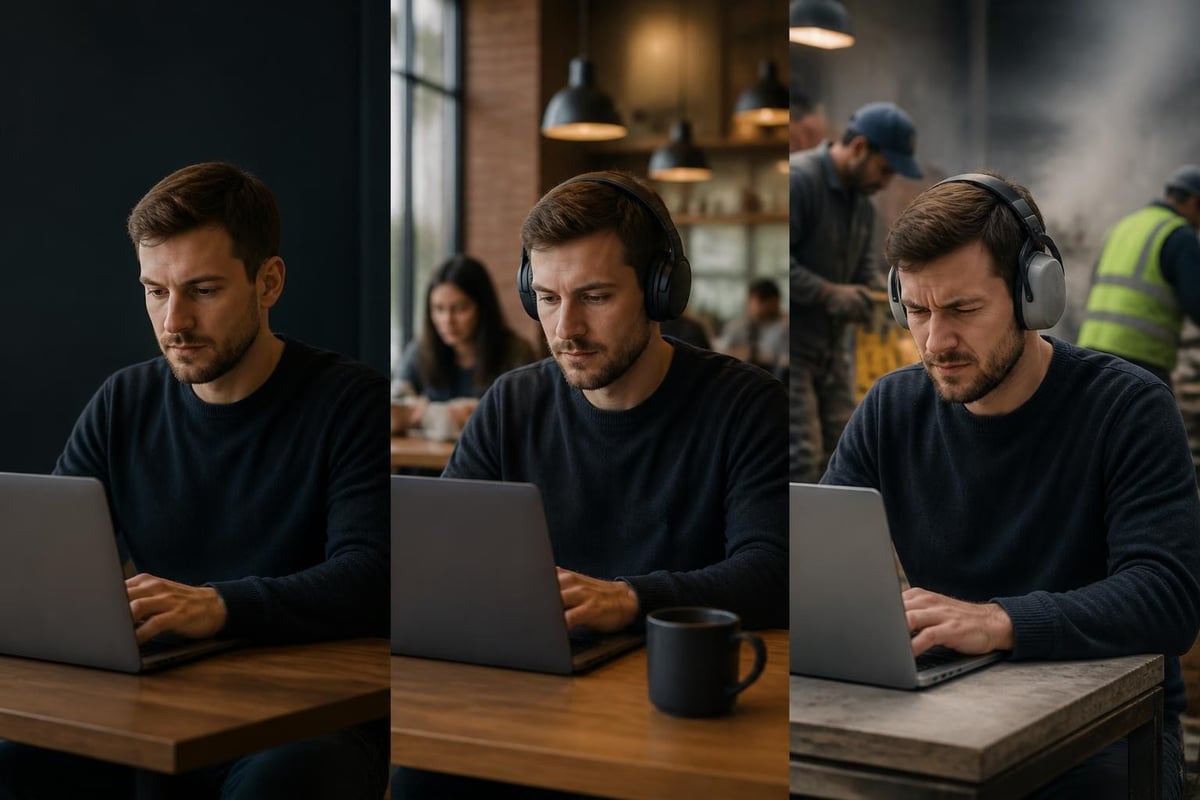
Matching your white noise characteristics to your physical environment optimizes masking effectiveness. High-frequency white noise better masks keyboard clicks and high-pitched office sounds, while brown noise effectively covers lower-frequency rumbles from HVAC systems or traffic.
For those exploring different background noise options, understanding your specific distraction profile helps you select appropriate solutions. Analyze what types of sounds most frequently break your concentration, then choose colored noise with frequency content that specifically masks those interruptions.
Cognitive Task Matching and Performance Optimization
Different study activities benefit from distinct acoustic environments. Understanding these relationships allows you to customize your white noise for studying approach based on what you're learning and how you're engaging with material.
Task-Specific Sound Selection
| Task Type | Recommended Sound | Volume Level | Reasoning |
|---|---|---|---|
| Reading comprehension | Pink or brown noise | 55-60 dB | Lower frequencies reduce mental fatigue |
| Mathematical problem-solving | Pure white noise | 50-55 dB | Crisp masking maintains alertness |
| Memorization and recall | Green or pink noise | 50-55 dB | Natural sounds support encoding |
| Writing and composition | Ambient white noise blend | 45-50 dB | Softer background prevents overthinking |
| Language learning | White or pink noise | 55-60 dB | Consistent masking aids pronunciation focus |
Research on binaural white noise effects demonstrates that specific delivery methods can influence working memory performance. While standard white noise provides general benefits, optimizing for your specific cognitive demands enhances results.
The Coffee Shop Effect and Moderate Noise
Interestingly, complete silence isn't always optimal for creative cognitive work. The "coffee shop effect" describes how moderate ambient noise around 70 decibels can actually enhance creative problem-solving compared to both silence and louder environments.
This phenomenon explains why some students perform better with white noise for studying than in completely quiet libraries. The moderate stimulation prevents the mind from wandering while avoiding the distraction of unpredictable environmental sounds.
Individual Differences and Personalization Approaches
Not everyone responds identically to white noise interventions. Individual factors including auditory processing styles, attention regulation abilities, and environmental sensitivities influence how effectively white noise for studying works for you.
Factors affecting individual response:
- Sensory processing sensitivity: Highly sensitive individuals may find white noise overwhelming
- ADHD and attention differences: Many with ADHD report significant benefits from consistent background sound
- Hearing characteristics: Tinnitus sufferers often experience relief with properly calibrated white noise
- Learning style preferences: Auditory learners may be more distracted by any sound
- Cultural background: Exposure to different acoustic environments shapes comfort with various sounds
Testing systematically helps you determine your personal response profile. Track your focus quality, task completion rates, and subjective comfort across sessions with and without white noise. This data-driven approach removes guesswork from optimization.
Adaptation Periods and Adjustment
Many people need an adjustment period before experiencing the full benefits of white noise for studying. Initial sessions might feel strange or even distracting as your brain learns to process the new auditory environment. Persistence through this adaptation phase typically yields significant improvements.
Allow 5-7 consistent study sessions before evaluating effectiveness. During this period, maintain consistent volume levels and sound types rather than frequently switching approaches. Your brain needs stability to form new auditory processing patterns.
Integration with Comprehensive Focus Systems
White noise for studying delivers maximum value when integrated into broader focus and productivity systems rather than used in isolation. Combining acoustic optimization with other evidence-based techniques creates synergistic effects that exceed the sum of individual interventions.
Modern approaches to focus and calm recognize that sustainable concentration requires addressing multiple factors simultaneously. Sound environment represents just one element alongside sleep quality, nutrition, physical movement, stress management, and deliberate practice of attention skills.
Building Multi-Modal Focus Protocols
Effective protocols combine white noise with complementary techniques:
- Preparation phase: Physical environment optimization and distraction removal
- Activation cues: Starting white noise paired with specific sitting posture or breathing pattern
- Work intervals: Structured time blocks with white noise maintaining acoustic consistency
- Recovery periods: Silence or nature sounds during breaks to prevent auditory fatigue
- Reflection practice: Brief journaling about focus quality to reinforce effective patterns
This structured approach transforms white noise from a passive background element into an active component of your cognitive performance system. The consistency builds powerful associative conditioning that makes focus more automatic over time.
Technology-Assisted Optimization
Modern sound therapy platforms offer sophisticated features beyond simple white noise playback. Adaptive algorithms adjust frequency content based on time of day, session duration, and user feedback. Integration with productivity timers creates seamless workflows where acoustic environments automatically shift with task phases.
Quality matters significantly in long-term use. Low-fidelity white noise generators can introduce artifacts or compression issues that become irritating during extended sessions. Professional-grade soundscapes developed in collaboration with acoustic researchers provide cleaner, more comfortable listening experiences that support rather than hinder concentration.
Common Pitfalls and Troubleshooting Strategies
Even with proper understanding, several common mistakes can undermine the effectiveness of white noise for studying. Recognizing and avoiding these pitfalls ensures you receive maximum benefit from your acoustic optimization efforts.
Frequent implementation errors:
- Setting volume too loud, creating fatigue rather than focus
- Switching sound types too frequently, preventing adaptation
- Using compressed audio files that introduce listening fatigue
- Relying solely on white noise without addressing other distraction sources
- Expecting immediate results without allowing adjustment period
- Continuing use during activities better suited to silence
When white noise isn't delivering expected results, systematic troubleshooting identifies the issue. Check volume levels first, ensuring they remain in the 50-60 decibel range. Verify your audio source provides high-quality, uncompressed sound. Consider whether your current tasks actually benefit from background noise or require silence.
When to Skip White Noise
Certain activities perform better in quiet environments. Highly creative brainstorming, reflective thinking, and some types of problem-solving benefit from complete acoustic freedom. Learning to recognize when white noise helps versus hinders represents an advanced skill that improves with experience and self-observation.
Similarly, if you feel tension or fatigue building during white noise sessions, remove the stimulus. Your brain might need acoustic variety, lower volume, or complete silence. Listening to your body's signals prevents developing negative associations that could undermine future effectiveness.
White noise for studying offers a scientifically validated approach to enhancing focus, reducing distractions, and improving learning outcomes when implemented thoughtfully. By understanding the mechanisms, personalizing your approach, and integrating acoustic optimization into comprehensive focus systems, you can transform this simple tool into a powerful catalyst for cognitive performance. Freshhh.app combines research-backed soundscapes with practical micro-habits and focus training techniques, helping you build sustainable concentration skills that extend far beyond passive listening. Experience how science-informed sound therapy paired with actionable mental training creates lasting improvements in your ability to focus and learn effectively.