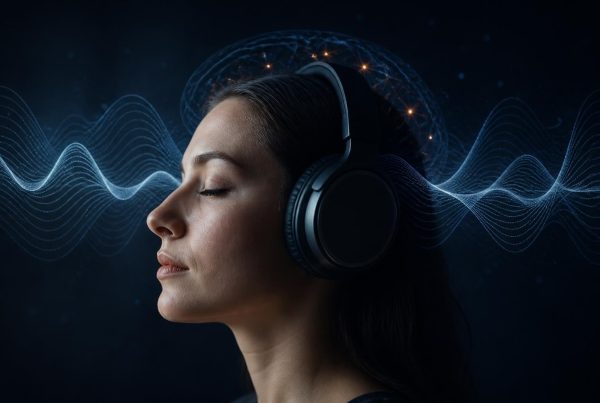
The gentle whisper of wind through trees, the steady rhythm of a coastal breeze, or the soft rustling of leaves creates a natural soundscape that humans have found calming for millennia. In our modern world, these organic sounds have become therapeutic tools, helping millions achieve deeper, more restorative rest. Understanding how and why wind sounds for sleep work involves exploring both acoustic science and the neurological mechanisms that govern our sleep cycles.
The Science Behind Wind Sounds and Sleep Quality
Natural wind sounds occupy a unique position in the spectrum of sleep-inducing audio. Unlike white noise, which maintains consistent frequencies across all audible ranges, wind creates what researchers call "pink noise" with gentle variations in volume and pitch. These fluctuations mirror natural environmental patterns our ancestors evolved alongside, triggering relaxation responses in the brain.
Research on ambient sounds and sleep quality in hospitalized adults demonstrates how carefully selected soundscapes can significantly improve rest outcomes. The study reveals that sound interventions, when properly calibrated, help mask disruptive environmental noise while providing auditory consistency that supports sustained sleep states.
Neurological Responses to Wind Sound Frequencies
When you listen to wind sounds for sleep, your brain processes these audio patterns through multiple neural pathways. The auditory cortex first identifies the sound characteristics, then the limbic system evaluates their emotional significance. Wind sounds typically register as non-threatening environmental cues, prompting the parasympathetic nervous system to activate relaxation responses.
Key neurological benefits include:
- Reduced cortisol production as stress responses diminish
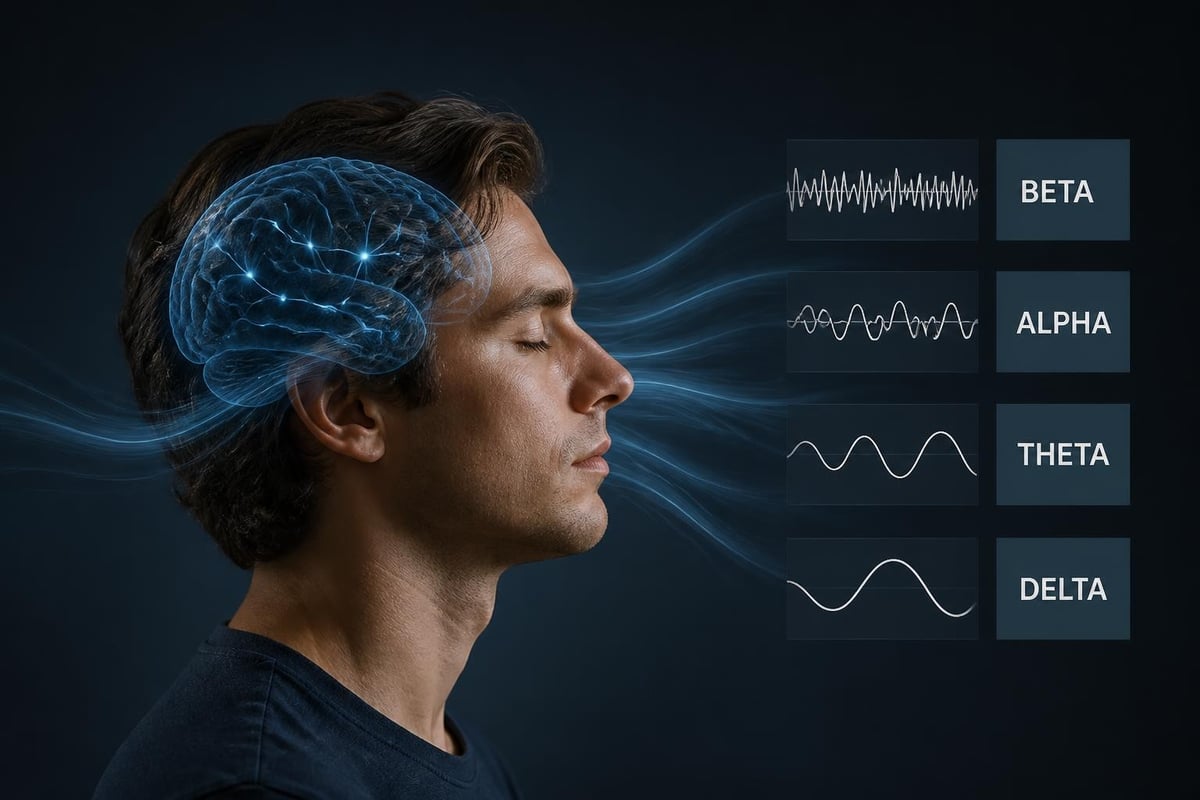
- Enhanced alpha wave activity associated with relaxed wakefulness
- Smoother transitions between sleep stages
- Decreased sensitivity to sudden environmental noises
The concept of sleep frequencies explores how specific sound patterns can influence brainwave entrainment, potentially guiding your mind toward states more conducive to rest. Wind sounds naturally incorporate frequency variations that prevent monotony while maintaining the consistency needed for sleep support.
Types of Wind Sounds and Their Sleep Applications
Not all wind sounds produce identical effects. The acoustic characteristics vary significantly based on environmental context, intensity, and accompanying elements. Understanding these distinctions helps you select the most appropriate soundscape for your specific sleep needs.
Natural Wind Variations for Rest
| Wind Type | Characteristics | Best For | Intensity Level |
|---|---|---|---|
| Gentle breeze | Soft, intermittent rustling | Light sleepers, meditation | Low |
| Steady coastal wind | Consistent flow with ocean undertones | Masking urban noise | Medium |
| Forest wind | Layered leaf rustling, branch movement | Creating natural atmosphere | Medium |
| Mountain wind | Variable gusts, spacious acoustics | Deep relaxation | Medium-High |
| Desert wind | Smooth, unobstructed flow | Minimalist preference | Low-Medium |
Each variation offers distinct acoustic properties that appeal to different preferences and sleep requirements. Experimentation often reveals which specific wind sound profile works best for your individual neurological response patterns.
Combining Wind with Complementary Elements
Wind sounds for sleep become even more effective when thoughtfully layered with compatible natural elements. These combinations create richer soundscapes that engage multiple aspects of auditory processing:
- Wind with distant thunder – Adds depth without startling intensity
- Wind through rain – Incorporates rhythmic water elements
- Wind with bird calls – Provides organic variation at dawn/dusk
- Wind over water – Combines flow dynamics for enhanced consistency
- Wind with chimes – Introduces tonal elements for meditation
The key lies in maintaining wind as the foundational element while using complementary sounds sparingly to enhance rather than distract from the primary relaxation effect.
Implementing Wind Sounds in Your Sleep Routine
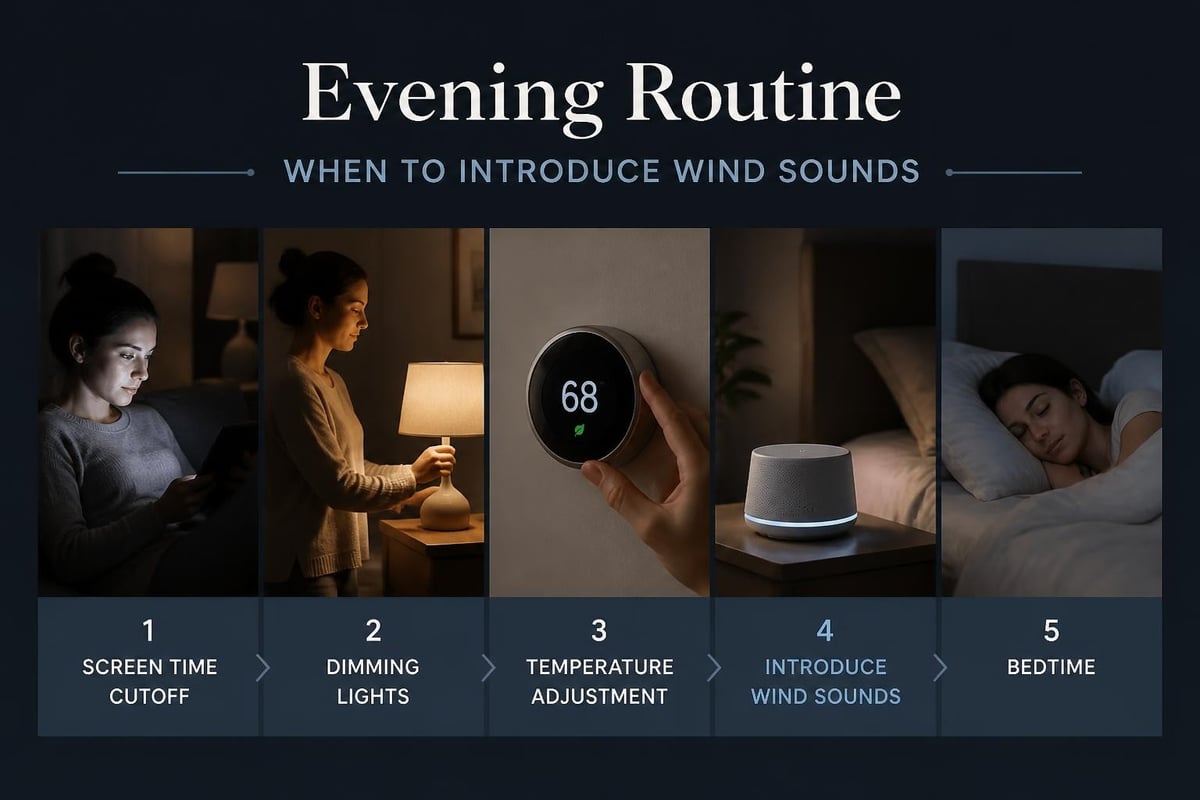
Successful integration of wind sounds for sleep requires more than simply pressing play at bedtime. Strategic implementation considers timing, volume calibration, and consistency to maximize therapeutic benefits while avoiding common pitfalls that reduce effectiveness.
Optimal Volume and Duration Settings
Volume calibration represents perhaps the most critical factor in wind sound effectiveness. Too loud, and the sounds become stimulating rather than relaxing. Too soft, and they fail to mask disruptive environmental noise adequately.
Professional recommendations suggest:
- Start at approximately 50-60 decibels (conversational volume)
- Gradually reduce to 40-50 decibels once settled
- Maintain consistency throughout the night
- Avoid sudden volume changes that trigger arousal
Duration matters equally. While some individuals benefit from sounds that continue throughout the entire sleep period, others find that 30-90 minutes provides sufficient relaxation for sleep onset without creating dependency. Your optimal duration depends on individual sleep architecture and environmental noise levels.
Creating a Consistent Sleep Environment
Wind sounds work most effectively as part of a comprehensive sleep hygiene approach. Acoustic interventions complement rather than replace fundamental sleep practices.
Your bedroom environment should support the calming effects of wind sounds through:
- Temperature regulation between 60-67°F for optimal sleep
- Complete darkness or minimal ambient light
- Comfortable bedding appropriate for current season
- Minimal visual clutter reducing cognitive stimulation
- Adequate air circulation without drafts
When wind sounds for sleep integrate with these environmental factors, the combined effect creates conditions that support both sleep onset and maintenance throughout the night. Research indicates that multifaceted approaches consistently outperform single-intervention strategies.
Advanced Considerations for Sound Therapy
Beyond basic implementation, understanding nuanced aspects of wind sound therapy enables optimization for specific sleep challenges and personal preferences. These advanced considerations separate casual listening from strategic therapeutic application.
Addressing Different Sleep Disorders
Various sleep disorders respond differently to wind sound interventions. While gentle wind sounds typically support general sleep improvement, specific conditions may require tailored approaches:
| Sleep Challenge | Recommended Approach | Additional Considerations |
|---|---|---|
| Insomnia onset | Gradual volume decrease over 45 minutes | Pair with progressive muscle relaxation |
| Frequent waking | Continuous low-volume wind throughout night | Ensure no sudden pattern changes |
| Racing thoughts | Layered wind with subtle variations | Focus attention on sound details |
| Environmental sensitivity | Higher volume to mask external noise | Consider headband speakers |
| Shift work sleep disorder | Consistent wind sounds regardless of time | Create portable sleep environment |
Studies examining wind instrument training and sound interventions reveal interesting connections between rhythmic breathing patterns and sleep quality improvements. While this research focuses on active participation, passive listening to wind sounds may engage similar parasympathetic responses.
Avoiding Counterproductive Sound Patterns
Not all wind recordings provide equal benefits. Some acoustic characteristics can actually hinder rather than help sleep quality. Awareness of these factors prevents selection of counterproductive soundscapes.
Watch for these problematic elements:
- Abrupt volume spikes that trigger startle responses
- Loop points creating noticeable repetition patterns
- Excessive high-frequency content causing subtle tension
- Inconsistent audio quality with compression artifacts
- Background noises unrelated to natural wind patterns
Professional-grade wind sounds for sleep undergo careful editing to eliminate these issues while preserving natural acoustic variability. High-quality recordings typically feature extended duration (2+ hours) before loop points and meticulous frequency balancing.
The Role of Personalization in Sound Selection
Individual differences in auditory processing, sleep architecture, and personal history create unique responses to various wind sound characteristics. What promotes deep relaxation for one person might feel neutral or even slightly stimulating for another.
Identifying Your Optimal Wind Sound Profile
Systematic experimentation reveals your personal preferences and neurological response patterns. This process requires patience and consistent observation over multiple nights.
- Begin with variety – Test different wind types over consecutive nights
- Track sleep metrics – Note sleep onset time, wake frequency, morning alertness
- Adjust variables systematically – Change only one factor at a time
- Allow adaptation period – Give each configuration 3-5 nights before assessment
- Refine based on data – Identify patterns in what works best
Many individuals discover that their optimal wind sound profile includes elements they didn't initially expect to prefer. Coastal wind might appeal to someone who's never lived near the ocean, while mountain wind could resonate with urban dwellers seeking psychological escape.

Seasonal and Situational Adjustments
Your relationship with wind sounds for sleep may shift based on seasonal changes, stress levels, and life circumstances. Flexibility in approach prevents stagnation and maintains effectiveness over time.
During summer months, lighter wind sounds often feel more appropriate and comfortable. Winter may call for deeper, more enveloping wind patterns. High-stress periods might benefit from more complex layered soundscapes, while calm times allow simpler configurations to remain effective.
Professional sound therapy practitioners recommend quarterly reassessment of your wind sound selection, adjusting for both seasonal transitions and personal development. This ongoing optimization ensures sustained benefits rather than diminishing returns from habituation.
Integrating Wind Sounds with Broader Wellness Practices
Wind sounds for sleep represent one component of comprehensive rest and relaxation strategies. Their effectiveness multiplies when integrated thoughtfully with complementary practices that address physical, mental, and environmental aspects of sleep quality.
Complementary Relaxation Techniques
Combining auditory interventions with other evidence-based practices creates synergistic effects that exceed the sum of individual components:
- Breathing exercises timed to wind sound rhythms enhance parasympathetic activation
- Progressive muscle relaxation guided by gradual sound volume reduction
- Visualization practices incorporating wind imagery for cognitive engagement
- Mindfulness meditation using wind sounds as focal anchor points
- Temperature regulation paired with cooling wind imagery for enhanced effect
These combinations leverage multiple sensory and cognitive pathways simultaneously, providing redundant relaxation signals that prove especially valuable for individuals with persistent sleep challenges.
Building Sustainable Sound Habits
Long-term success with wind sounds for sleep depends on establishing sustainable patterns that integrate naturally into your lifestyle without creating rigid dependencies. The goal involves using sounds as supportive tools rather than essential requirements.
Healthy integration practices include:
- Maintaining ability to sleep without sounds occasionally
- Using wind sounds strategically during high-stress periods
- Varying sound types to prevent complete habituation
- Combining with other sleep hygiene fundamentals
- Gradually reducing reliance as baseline sleep improves
This balanced approach preserves wind sounds as effective interventions while preventing psychological dependency that could limit sleep flexibility when traveling or facing unavoidable environmental changes.
Scientific Research and Future Developments
The field of acoustic sleep therapy continues evolving rapidly, with emerging research revealing new insights about how specific sound characteristics influence sleep architecture and overall rest quality. Understanding current scientific findings helps inform more sophisticated application strategies.
Recent laboratory studies examining wind turbine noise effects on sleep provide valuable data about how wind-related sounds influence various sleep metrics. While focused on potentially disruptive wind noise, these findings help researchers identify which acoustic characteristics support versus hinder rest.
Emerging Research Directions
Current investigations explore several promising areas that may reshape our understanding of wind sounds for sleep:
Active research topics include:
- Personalized acoustic profiles based on genetic factors
- Real-time sound adjustment responding to sleep stage transitions
- Integration with wearable sleep monitoring devices
- Frequency modulation techniques for enhanced delta wave promotion
- Cultural and developmental factors influencing sound preferences
Systematic reviews assessing wind turbine noise impacts through validated sleep assessments demonstrate the importance of rigorous measurement methodologies. These research standards increasingly apply to therapeutic sound studies, improving evidence quality.
Practical Applications of Current Science
You can leverage existing research findings immediately by applying evidence-based principles to your personal wind sound selection and implementation. Scientific understanding translates into practical improvements when properly interpreted.
Modern approaches emphasize dynamic rather than static sound delivery, recognizing that optimal acoustic characteristics may shift throughout the night as you progress through different sleep stages. While basic wind sounds provide consistent benefits, sophisticated applications might adjust frequency emphasis or volume levels in response to sleep stage transitions.
Professional sound therapy platforms increasingly incorporate acoustic research findings, offering wind soundscapes specifically engineered to support particular sleep objectives. These research-informed options provide alternatives to basic nature recordings, potentially delivering enhanced therapeutic benefits for individuals with specific sleep optimization goals.
Understanding how wind sounds for sleep interact with your unique neurological patterns empowers you to optimize rest quality through strategic acoustic interventions. By combining this knowledge with comprehensive sleep hygiene practices, you create conditions that support both immediate relaxation and long-term sleep health. Freshhh.app takes this science-backed approach further by integrating carefully designed soundscapes with practical micro-habits and research-based techniques that train your mind for sustained focus and calm, helping you build lasting improvements in both concentration and rest quality.